
Wulan's country line skips the ticketed gates to watch how people live on this highland: Chaka's salt-worker blocks, Halihatu's woods and herders' tracks, Xiligou's goji rows and county market, one meal of hand-pulled mutton in a herder home. Three days here teach more than any ticket.
The pace is deliberately slow: no more than three sights a day, with hours left for chat and teahouse idling. Charter all three days, the driver doubling as half a guide for range roads and market hours.
The country three days travel light: sun kit for day, one heavy coat for night. With herders and stallholders smile first and haggle second, the Qaidam towns' social order; carry small cash, the market and herder kitchens both want it.
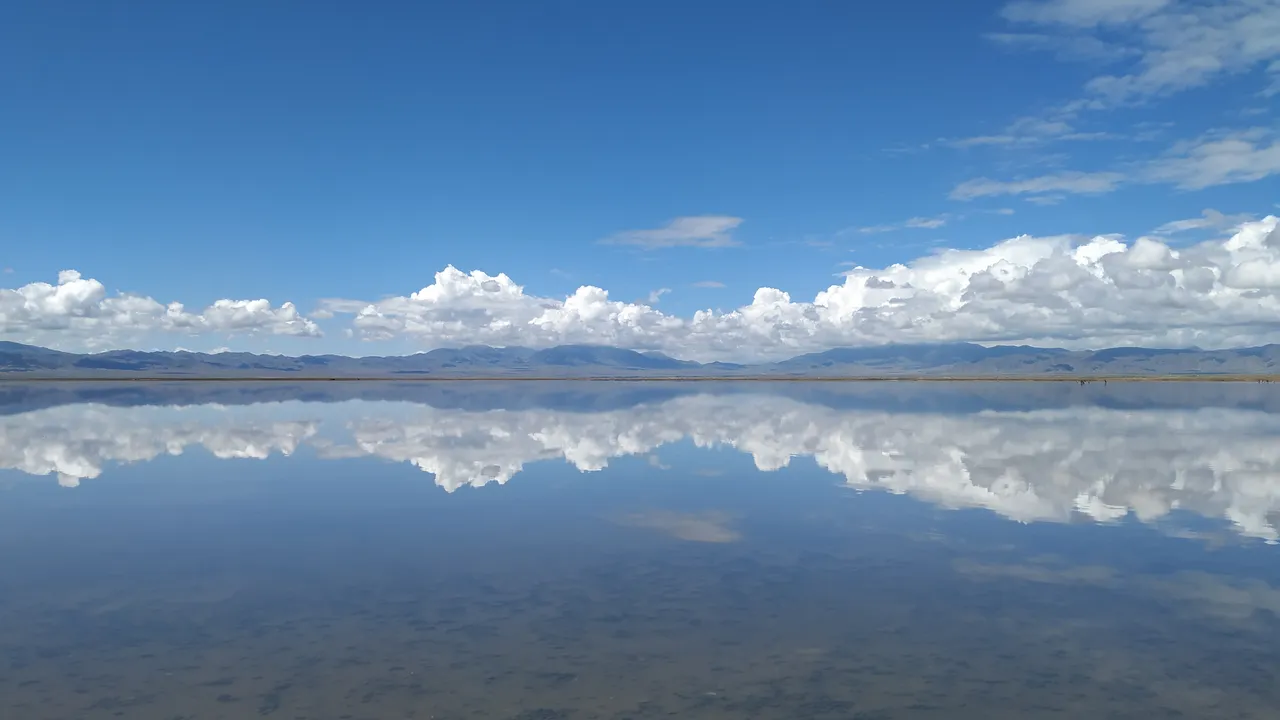
Itinerary at a glance
| 08:30 | The Chaka Town Morning Market: The Country Line's Opening Line |
| 10:00 | The Chaka Salt Fields: Watching the Harvest at Work |
| 17:00 | The Salt Sculptures at Dusk: The Country Day's Closing Silhouette |
| 19:00 | Chaka Town Restaurants: Kang-Pot and Boiled Tea for Dinner |
| 09:00 | Halihatu Forest Park: A Forestry Day |
| 14:00 | The Halihatu Pasture Valley: Tracks, Flocks and Tents |
| 09:30 | Xiligou Town: Goji Fields and the County Market |
| 14:00 | Jinzihai: The Holy Lake in Herders' Words |
| 18:30 | The Herder-Family Feast: The Country Trilogy's Finale |
The route, stop by stop
The Chaka Town Morning Market: The Country Line's Opening Line
The country line opens at the town market: hot bread, freshly boiled milk tea, yogurt by the bowl, stallholders mostly neighbors. Unlike box-ticking sights, the market rewards slow watching: whose bread sells fastest, which stall brews strongest, half an hour settles it.
Walk the town after, where the salt works' old dormitories and a rail crossing keep the salt-worker era's skeleton; the town's origin story sits in its street frontages.
The Chaka Salt Fields: Watching the Harvest at Work
Late morning enters the pans' viewing strip, watching brine crystallize stepwise through the ponds and harvest rails run toward the lake's heart. This is Wulan countryside's economic base: two thousand years of salt raised this town, and the workers' methods still continue in parts of the ponds.
Forty minutes to an hour on the path, working zones off-limits; once you understand the salt, everything in town cross-references.
The Salt Sculptures at Dusk: The Country Day's Closing Silhouette
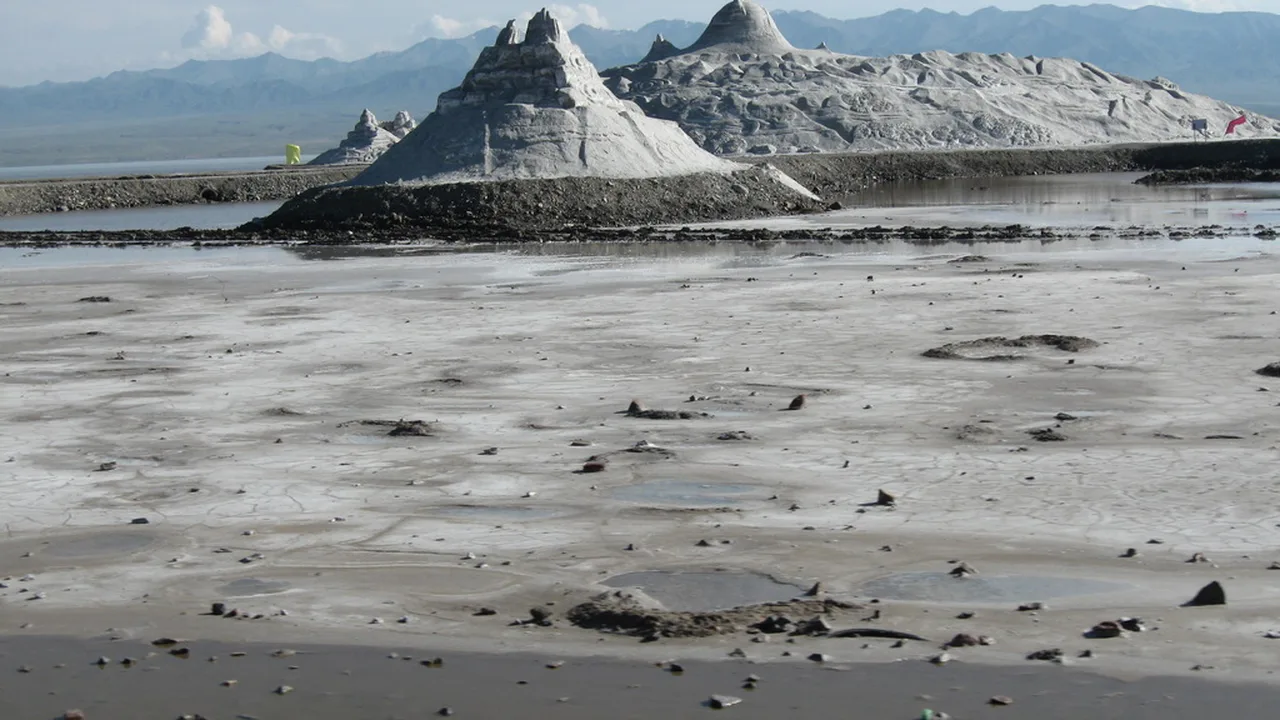
By dusk the sculpture square sheds its noon glare, the giants of the Queen Mother of the West and Genghis Khan turning warm silhouettes, the emptied plaza quiet enough to hear wind through the salt grain. The country day ends on salt, echoing the morning's pans.
The dusk light moves fast, so be in position half an hour early; never climb or touch the figures, then back to town for dinner.
Chaka Town Restaurants: Kang-Pot and Boiled Tea for Dinner
The first night goes to a proper dinner in town. Kang-pot mutton is Chaka kitchens' house dish, copper pots searing mutton and potatoes to crisp edges with boiled tea alongside; family-run menus run short, so order by the signature and never miss.
The town sits quiet around meal hours and kitchens close from nine, so eat before half past eight. Walk the main street after, a small town lighting up street by street with its own charm.
Halihatu Forest Park: A Forestry Day
Day two enters the mountains. Halihatu, Mongolian for the place where cypresses grow, holds Wulan's largest stand of Qilian juniper along the valley walls, the trail climbing beside a stream through decades-old trees breathing resin. The foresters' patrol huts dot the way.
The trail runs two to three kilometers under two hours; the forest sits near 3,200 m, so slow the climbs, and afternoon showers are frequent, rain gear ready.
The Halihatu Pasture Valley: Tracks, Flocks and Tents
The afternoon follows herders' tracks into the valley's depth, wildflower meadows, moving flocks and white tents composing the steppe's standard picture. With luck you catch milking or butter-churning, ten minutes of watching worth ten sights.
Never enter fenced range uninvited and greet before approaching tents; herder dogs run loose so detour around them, and ask before any photograph.
Xiligou Town: Goji Fields and the County Market
Day three heads north to the county seat, Xiligou. Goji fields mass outside town, branches bending red from August, fresh-picked fruit sold at the rows' edge; the county market undercuts tourist zones on dried fruit, dairy and air-dried meat, a proper restocking stop.
Farmer families run the fields, so greet before entering for photos; the market peaks in the morning with stalls folding after ten.
Jinzihai: The Holy Lake in Herders' Words
The afternoon turns south to Jinzihai, the freshwater wetland held in crescent dunes and held sacred for generations by Mongolian herders. Sitting at the rim while your driver tells the lake's legend is the country line's loosest hour: no ticketing ceremony, only wind, water and birds.
Walk the rim only, keep out of the wetland and leave the birds alone; the afternoon light layers the dunes with a high photo yield.
The Herder-Family Feast: The Country Trilogy's Finale
On the evening return, book a herder-family feast: hand-pulled mutton served by the jin with milk tea, bread and cold-picked wild herbs, humble conditions at the shortest possible food miles, the sheep possibly from the very flock you passed. Homemade yogurt usually follows as the host's encore.
Herder kitchens want half a day's notice, so have the driver or your host arrange it; RMB 80-150 pp, menu and portions agreed first.
| Getting around |
|
| Budget | A three-day charter runs RMB 1,800-2,400 per car, with tickets, beds and meals about RMB 600-1,000 pp; the herder feast about RMB 80-150 pp. |
| Best time | June-September greens the steppe and goji rows, and the August-October harvest hangs the branches red; never underestimate steppe day-night swings. |
FAQs
How does the country three days differ from the nature three days?
A difference of center: the nature line gives the salt lake a full day and reads landforms at Jinzihai and Halihatu; the country line compresses the lake to half a day and spends the hours on markets, goji rows and a herder feast, watching people live. Swap them freely or merge into five days.
Do I need Tibetan or Mongolian to talk with herders?
The barrier is small: younger herders speak Mandarin widely and elders manage simple exchanges. Manners matter more than language: greet before entering tents, decline food gracefully rather than waving it off, ask before shooting. A smile and a thumbs-up open eighty percent of conversations.
When does the goji harvest run, and can I watch it?
Harvest runs June through October, heaviest August-September, with rows of pickers in the fields. Farm families generally welcome visitors and buyers, so greet before entering; for fresh fruit come at the morning picking hours, for dried goji hit the county market or town shops.
How do I find a herder-family kitchen, and is the hygiene assured?
Book through the driver, your host or a local agency, whose long partnerships know whose kitchen is clean and whose mutton is good. Judge on two points: an open, visible kitchen and scalded tableware. Sensitive stomachs should go light on cold yogurt and wild herbs, and eat the mutton well done.