
Wuxi is more than its lake. The old city keeps another version of the place: a couplet at Donglin Academy gave late-Ming courage a physical address, the courtyard home of Abing produced The Moon Reflected in the Second Spring, and Xue Fucheng's mansion earned its reputation as the grandest late-Qing residence in Jiangnan. This loop strings them together on foot and metro, no rushing.
The rhythm is front-loaded: two cultural stops in the morning, old streets and snacks after lunch, and every remaining step saved for Nanchang Street and Qingming Bridge, where the canal lights close the day. The route rarely retraces, legs between stops stay under half an hour, and there is always a small shop nearby for a rest.
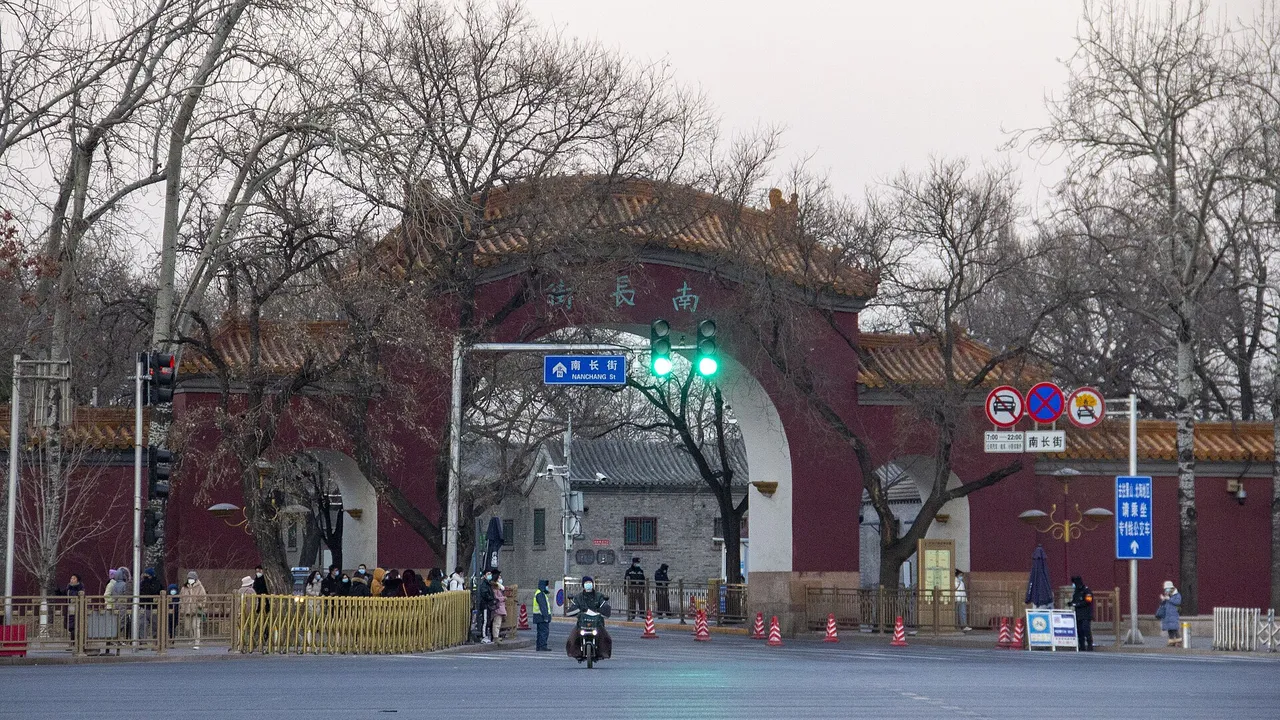
Itinerary at a glance
| 09:00 | Donglin Academy: The Weight of One Couplet |
| 11:00 | Chong'an Temple and the Abing Residence: Strings at the Market's Heart |
| 14:00 | Xue Fucheng's Mansion: The Grandest House in Jiangnan |
| 16:30 | Nanchang Street and Qingming Bridge: Giving Dusk to the Canal |
The route, stop by stop
Donglin Academy: The Weight of One Couplet
The sounds of wind, rain and reading reach the ear; the affairs of family, state and all under heaven concern us all. That couplet hangs in Yiyong Hall here. The late-Ming Donglin faction lectured and debated at this academy, and though the grounds were rebuilt after repeated rises and falls, the lecture hall, living quarters and steles keep the original layout, a key to the scholar-official spirit.
The academy takes a relaxed hour. Old stele corridors and a small garden fill the grounds, and the exhibits explain how the lectures tangled with court politics. The shop by the gate prints the famous couplet on bookmarks and letter paper, among the old city's least clichéd souvenirs.
Chong'an Temple and the Abing Residence: Strings at the Market's Heart
Chong'an Temple is no longer a temple but the busiest quarter of the old city, its Huangting snack stalls busy from dawn to midnight. A statue of the blind folk musician Abing stands at one corner, and a few steps on sits his former home: two worn ground-floor rooms, thinly furnished, where the lean years that shaped The Moon Reflected in the Second Spring were lived.
Lunch happens here. The veteran shops for Wuxi soup dumplings and dried-shrimp wontons stand nearby; the sweet-style xiaolongbao is the city's calling card, so bite a small hole, sip the broth, then dip in vinegar. Afterward head south along Zhongshan Road toward the next stop.
Xue Fucheng's Mansion: The Grandest House in Jiangnan
Xue Fucheng was a late-Qing diplomat, and his mansion is billed as the grandest in Jiangnan: sedan hall, study tower and library ranged in deep sequence, with a water pavilion in the rear garden sharing a courtyard with a Western-style billiard room, two aesthetics coexisting on their own terms. Wood and brick carving survive beautifully, and the looping bridge towers connect like a small maze.
Plan an hour, focused on the stage and rear garden. The exhibits follow his envoy years in Europe in detail; read the rooms against the biography and the choices facing late-Qing scholars confronting the world become concrete.
Nanchang Street and Qingming Bridge: Giving Dusk to the Canal
Taxi or walk south from the Xue mansion into the Nanchang Street historic quarter. This old lane along the canal is a quiet strip of cafes and design shops by day, then changes color toward evening: lanterns come on, the bridge arch holds the lights of the far bank, and the Ming-era Qingming Bridge curves against the water. People still live in the old houses, laundry poles beside teahouse signs; commerce never evicted daily life.
Walk to Qingming Bridge and loop back along Nantang on the far side, a circuit with no retracing. Dinner happens on the street, all wok-breath and local flavor; if the legs allow, take a short canal cruise afterward and watch the street you just walked from the water, a change of angle that completes the Jiangnan picture.
| Getting around |
|
| Budget | Mostly free quarters and low-ticket sites; about RMB 100-200 pp including meals and metro. |
| Best time | Year-round, with April-May and October-November the kindest walking weather; keep dusk free for the canal lights and pack an umbrella. |
FAQs
How much walking does this route involve, and is it doable for average fitness?
About twelve thousand steps all day, with no single stretch over half an hour. If stamina runs average, trim the Xue mansion to forty minutes or rest longer at Chong'an; line 1 stations dot the route, so hop one or two stops whenever needed instead of forcing the full walk.
Do the academy and the Xue mansion need booking or tickets?
Donglin Academy is free with real-name booking on the official account, closed Mondays; the Xue mansion charges about RMB 25, buyable on site. Each takes about an hour, and the morning-academy, afternoon-mansion order balances indoor viewing against outdoor walking.
Wuxi soup dumplings run sweet, so what if that is not to my taste?
The local palate leans sweet, but asking for less sugar at ordering often works, and some veterans offer a lightly sweet version; dried-shrimp wontons, tofu pudding and noodle toppings run salty-savory and balance well. If sweetness truly fails, swap the dumplings for a bowl of noodles at lunch; the schedule is unaffected.
Is the canal stretch better by day or by dusk?
Keep it for dusk. By day Nanchang Street is an ordinary commercial lane; only after the lamps come on do the lanterns, bridge arches and reflections give the water lane its real face. Reserve the whole stretch from dusk to about 8:30 pm for the canal, choosing boat or foot, and if boating, take a sailing before eight when it is quieter.