
Wuxi's monument density is undersold by the lake's fame. Over a hundred ancestral halls cluster below Huishan, Jichang Garden was the garden Qianlong kept thinking about, Donglin Academy preserves late-Ming backbone, and the water lanes by Qingming Bridge still house residents. Three days along listed buildings, two or three highlights a day, at a stroll.
The route blocks by geography: day one west at Huishan, day two the old-city core, day three the canal plus Dangkou on the outskirts. Most sites are free or cheap, high culture at low spend, which is this line's character. Book the museum and academy on their official accounts before setting out.
Itinerary at a glance
| D1 08:30 | The Huishan Ancestral Halls: A Street of Family Histories |
| D1 10:30 | Jichang Garden: The Jiangnan Garden Qianlong Kept Copying |
| D1 13:30 | Huishan Temple and the Second Spring: Water and Strings |
| D1 15:30 | The Clay Figurine Museum: Another Archive of Craft |
| D2 09:00 | Donglin Academy: Back to the Late-Ming Lecture Hall |
| D2 11:00 | The Abing Residence and Chong'an: Two Faces of the Old City |
| D2 14:00 | Xue Fucheng's Mansion: A Late-Qing Diplomat's Home |
| D2 15:30 | The Wuxi Museum: Filing the First Two Days |
| D3 09:00 | Qingming Bridge Historic Quarter: The Water Lane in the Morning |
| D3 13:30 | Dangkou Ancient Town: One Last Water Town on the Outskirts |
The route, stop by stop
The Huishan Ancestral Halls: A Street of Family Histories
Start the trip on the hall-lined street of Huishan. The shrines of Fan Zhongyan, Gu Kejiu and Lu Zhi run in a row along the Longtou River, each compound's format, hall name and steles carrying its own logic, where two characters above a gate often hold a family's whole origin story. Most halls are free inside, courtyards, offering halls and old trees intact.
Hall fatigue is real, so study three or four closely and sweep the rest, with teahouses and snack shops pacing the street. Before the crowds land, footfalls outnumber voices on the stone slabs, the best state for this stretch.
Jichang Garden: The Jiangnan Garden Qianlong Kept Copying
Inside Xihui Park, Jichang was the Ming-era garden of the Qin family, borrowing Mount Xi as its screen and Second Spring water into its pools, building deep landscape from barely twenty mu. Zhiyu pavilion, Seven-Star bridge and the Eight-Sound gully are its treasures, the gully's spring water echoing through rock crevices, a garden you hear.
Kangxi and Qianlong each stayed six times on their southern tours, and Qianlong had painters record it for a copy, the Huishan Garden, built into Beijing's Qingyi Garden. Standing at the pool explains the copying: every angle here was designed.
Huishan Temple and the Second Spring: Water and Strings
Huishan Temple dates to the Southern Dynasties, destroyed and rebuilt across a millennium, its ancient ginkgo and sutra pillars original. Minutes on foot sits the Second Spring under Heaven, ranked second among the empire's waters by the Tang master Lu Yu, three pooled basins ringed by literati inscriptions from the Qing onward.
The blind busker Abing played these streets in the Republican years, and his melody The Moon Reflected in the Second Spring grew from this water. His tomb and bronze statue face the spring, a pilgrimage point for music lovers. The grounds run quiet in the afternoon, water, steles and strings filling an hour or two.
The Clay Figurine Museum: Another Archive of Craft
Huishan is the home of the figurines, and the museum gathers the craft's whole genealogy in one place: street trinkets to opera-scene master figures, Republican-era masters to contemporary work, arranged by era and school. Its real gift is recalibrating your eye for the shops outside.
The museum takes forty minutes, and its exit opens into a working workshop where the full making-and-painting process plays out in the open. Close day one here, dine in the town on tofu pudding and crisp pastry with a pot of tea, and sit until the riverside lights come on.
Donglin Academy: Back to the Late-Ming Lecture Hall
Day two moves into the old city. Donglin Academy's core is Yiyong Hall and the lecture room, the wind-and-rain couplet hanging at center where most visitors stand a while. The exhibits follow Gu Xiancheng, Gao Panlong and their lectures through the turmoil of the era, and the stele corridor reads like a friend circle carved in stone.
A relaxed hour covers it, with courtyard cats and old trees as unexpected bonuses. Morning light slants into the lecture hall, kind to cameras and quiet sitting alike.
The Abing Residence and Chong'an: Two Faces of the Old City
Walk from the academy into the Chong'an quarter, see the Abing residence, then eat. The home is two bare ground-floor rooms displaying an erhu and old photographs, a folk musician's whole life compressed into a few dozen square meters, a stark and honest contrast to the bustle outside.
Lunch happens at Chong'an, the veterans for dumplings, wontons and noodles all within walking distance. Afterward sit a while at Huangting Square, the old city's round center where every street noise converges.
Xue Fucheng's Mansion: A Late-Qing Diplomat's Home
Billed as the grandest mansion in Jiangnan, the Xue residence runs five bays deep, remarkable scale for the region, and its fun is the East-meets-West mix: a Chinese water pavilion in the rear garden beside a Western billiard room, looping tower corridors connecting like a wooden maze. Lean in for the wood and brick carving details.
The exhibits center on his years as envoy to Europe, with diaries and memorials written from Paris and London serving as first-hand material for understanding late-Qing diplomacy. An hour suffices; the exit faces Jiankang Road.
The Wuxi Museum: Filing the First Two Days
Give the second half of the day to the museum, the perfect footnote to the morning: figures glimpsed in halls and academies reappear with full biographies in the industry and local-luminaries galleries, while the canal hall strings day one's Huishan and day three's Qingming Bridge into one water system.
Allow two hours, focused on the canal and industry halls. After closing, dine around Taihu Square and ride the metro back, day two's step count duly archived.
Qingming Bridge Historic Quarter: The Water Lane in the Morning
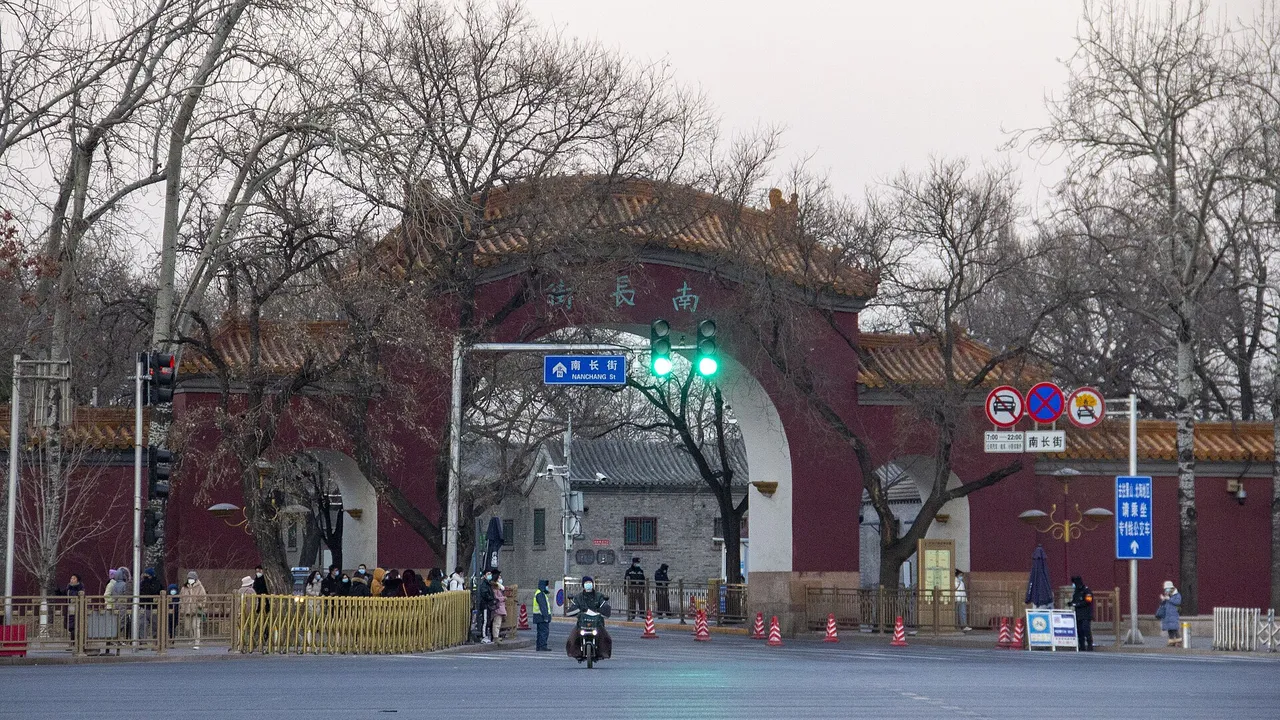
Day three returns to the canal. Nanchang Street mornings lack the night crush, and the water between Qingming and Kuatang bridges is the water lane at its best, white walls, dark tiles and stone wharves sharpest in morning light. The small silk-industry museum and brick-kiln site museum on the street complete Wuxi's story as a canal trade node.
Walk both Nanchang Street and Nantang across the water, and eat local fare on the street at noon. Morning light suits the bridge arches and reflections, fresher than the night version.
Dangkou Ancient Town: One Last Water Town on the Outskirts
In the afternoon head to Dangkou southeast of town. Its roster of native talents runs long: the uncle-nephew pair Qian Mu and Qian Weichang, Hua Hengfang, Hua Junwu, all Dangkou names. The Hua clan's charity estate stands as a physical sample of Jiangnan lineage mutual aid. The town lines the river with punt boats and stone bridges, less commercialized than its peers, especially quiet toward evening.
Half a day covers the core with ease, centered on the Hua estate and Qian Mu's former home. The ride back to town takes about an hour, and three days of heritage close in the sunset over the wharf stones.
| Getting around |
|
| Budget | Entry (about RMB 70 Xihui combo, RMB 25 Xue mansion, plus Dangkou's minor-site tickets) with meals and transport, roughly RMB 400-600 pp. |
| Best time | Year-round, kindest in spring and autumn; the museum and academy close Mondays, so keep Monday off day one. |
FAQs
Which sites need booking across the three days, and which sell tickets on site?
The museum and Donglin Academy require free official-account booking; everything else sells on site, the Xihui combo about RMB 70, the Xue mansion RMB 25, Dangkou's combo at the gate. Museum slots tighten most on weekends, so book two or three days ahead.
For travelers indifferent to ancestral halls, how should day one change?
Compress the halls to one close look at the Fan Zhongyan shrine and give the saved hours to Xihui Park's walking trails and teahouses, or skip straight to Jichang Garden and the spring in the morning and add the figurine museum and workshop in the afternoon. Huishan's frame is hill and spring, and the halls are optional.
Is Dangkou worth the dedicated trip, and does it repeat Huishan?
No overlap. Huishan is halls and gardens, Dangkou is the charity estate and literati homes plus a fuller water-town frame, so they complement. If time is tight, swap Dangkou for more Qingming Bridge time and rest; but for quiet-seekers, Dangkou's riverside at dusk is the best single hour on the route.
How should the three days flex for rain?
Move the museum into the rainy half-day and swap the open-air parts of Huishan and Dangkou with clear hours. Good rain substitutes include the Xue mansion and the figurine museum, both roofed and indoor; slick stone slabs make grip shoes matter more than umbrellas, so pack both.