
Five days is the minimum for a complete Wuxi. The first two read the water through Lake Tai and Lake Li, the third fills in history at Huishan and the old city, the fourth goes to canal and street life, and the fifth closes at Mashan. Each day caps at two or three highlights, sightseeing alternating with rest.
The line covers every big-name site in the city, the triage already done: the film bases and far suburbs sit out because they overlap heavily with the urban core. With budget and leave to spare, extend day five into two Mashan days, and a night inside Nianhuawan is the route's best upgrade.
Itinerary at a glance
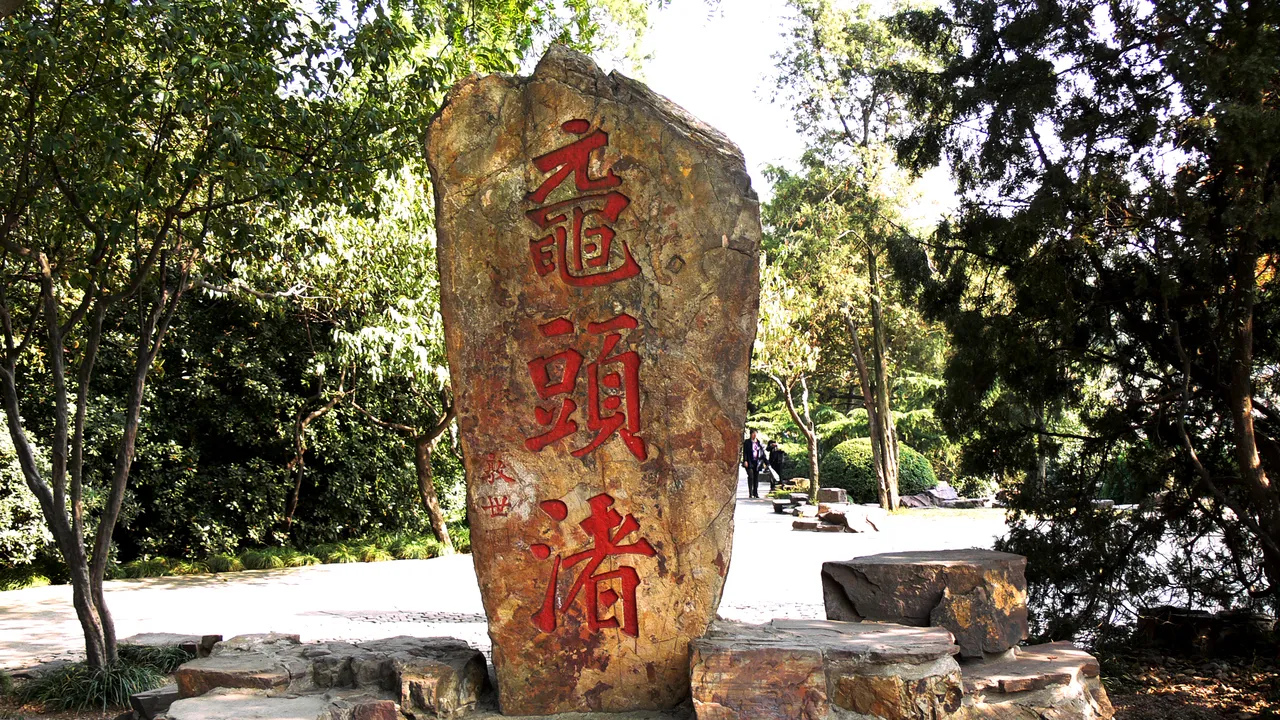
| D1 08:00 | Yuantouzhu: The Five-Day Opening Line |
| D1 15:00 | Liyuan Garden: An Afternoon in a Lake Garden |
| D2 08:30 | Huishan Ancient Town: Morning on the Hall Street |
| D2 11:00 | Jichang Garden and the Second Spring: Garden and Water |
| D2 15:00 | The Clay Figurine Museum and Workshop |
| D3 09:00 | The Wuxi Museum: The City's Full Instruction Sheet |
| D3 14:00 | Donglin Academy and the Abing Residence: An Old-City Duet |
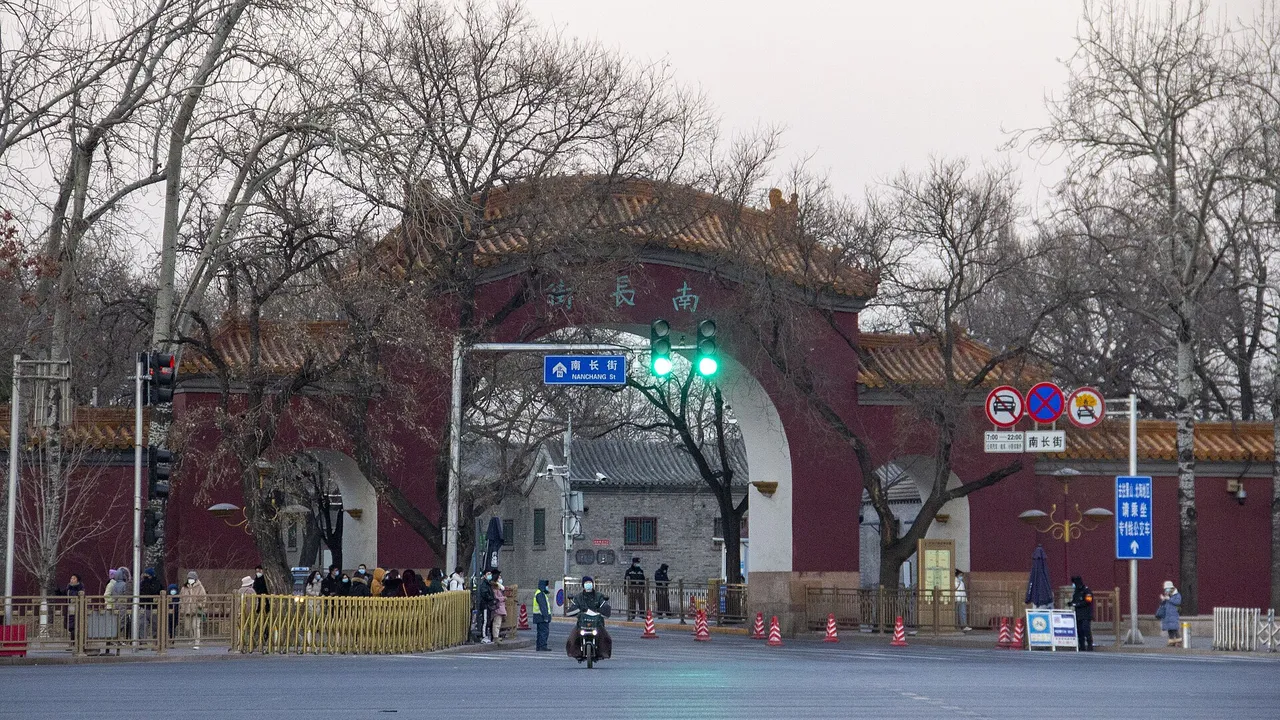
| D4 09:30 | Qingming Bridge and Nanchang Street: Canal Day |
| D4 15:00 | Nanchansi and Sanfengqiao: Street Life and Braised Flavor |
| D5 09:00 | The Grand Buddha at Lingshan: The Five-Day Finale |
| D5 19:00 | Nianhuawan by Night and the Journey Home |
The route, stop by stop
Yuantouzhu: The Five-Day Opening Line
Give Lake Tai's first face to Yuantouzhu at opening. The loop past Changchun Bridge, the blossom valley, lighthouse and carved rock takes two hours, early frames holding only mist and waterbirds. Blossom season makes it a national headliner; off season it remains the lake's most classic viewpoint.
Eat simply inside the grounds at midday, then boat to Taihu Fairy Island in the afternoon for the mid-lake angle no shore provides. Return to town to rest, dinner by Lake Li or downtown, saving strength for the garden day.
Liyuan Garden: An Afternoon in a Lake Garden
The afternoon paces Liyuan just right: corridor windows, Four Seasons pavilion views and the rockery's small maze, done in a relaxed two hours. The Fan Li and Xishi legend leaves traces everywhere, with Chunhua pagoda and the mid-lake pavilion as two photo anchors.
Afterward stroll the lakeside greenway and catch sunset near Fuyu Island, closing day one's water line. Dinner on the lakeside commercial street, where a whitefish at a lake-fish house earns its order.
Huishan Ancient Town: Morning on the Hall Street
Day two changes the subject to people. The hall street is quietest in the morning, with close looks at two or three compounds like the Fan Zhongyan shrine, the draw being brick gate towers and hall-name couplets. Breakfast stalls line the street, tofu pudding and crisp pastry just right at this hour.
Two halls suffice, leaving the morning's bulk for Jichang Garden inside Xihui Park. Enter from the hillside behind the quarter with borrowed Mount Xi overhead, a more layered approach than the main gate.
Jichang Garden and the Second Spring: Garden and Water
Jichang is the morning's main event, the pool before Zhiyu pavilion, the sound of the Eight-Sound gully, the rhythm of Seven-Star bridge, a Ming garden that pushed borrowed scenery to its limit. Qianlong's copy is verifiable all over the grounds, the Beijing Huishan Garden's composition matching poolside view for view.
Walk on to the Second Spring, where pools, inscriptions and Abing's tomb make a small circle. Two hours for both, then tofu pudding and noodles in the town; the afternoon runs light.
The Clay Figurine Museum and Workshop
An easy afternoon stop. The museum lays out four centuries of the Huishan craft, and once you see the difference, every price tag in the street shops acquires a reference frame. The exit workshop shapes and paints in the open, with weekend painting sessions open for booking.
Return to the riverside for tea as evening falls, ending day two at lamp-lighting. Dinner at a local kitchen off the hall street, where glazed ribs and Lake Tai shrimp hold up the table.
The Wuxi Museum: The City's Full Instruction Sheet
Day three enters the old city starting from the museum. The canal and industry halls run as twin spines, systematically placing Wuxi in the grain-transport era and modern industry, adding the human dimension to two days of lake and hill. The yixing clay and figurine rooms also reward a pass.
Two hours is right, lunch near Taihu Square afterward, then the afternoon runs down the old city's spine, one metro stop on line 1 to the academy.
Donglin Academy and the Abing Residence: An Old-City Duet
The afternoon pairs one quiet stop with one street-level stop. Donglin shows the lecture hall and couplet, where the late-Ming literati's view of family and state has a physical source; the Abing residence corners the Chong'an quarter, two rooms holding the origin of The Moon Reflected in the Second Spring. One speaks for the court, one for the street, the two faces of Wuxi.
Two hours across both, with lunch or pastries at Chong'an in between. Stroll Zhongshan Road toward evening and close day three inside the old city's noise.
Qingming Bridge and Nanchang Street: Canal Day
Day four's theme is the canal. In the morning walk Kuatang Bridge to Qingming Bridge, the water lane's banks clean-edged in morning light, with the silk museum and kiln site laying out the evidence of Wuxi as a canal trade node. Slow walking plus the small museums fills two hours.
Eat local on the street at noon, then browse Nanchang Street and Nantang at an unhurried pace. Canal day's correct posture is no rushing: structure by daylight, lanterns by night.
Nanchansi and Sanfengqiao: Street Life and Braised Flavor
The afternoon completes the street half. Nanchansi's pagoda and market take forty minutes, pastry stalls at full spread from three, then on to Sanfengqiao for a seated rib dinner and a vacuum pack from the deli counter.
Return to Nanchang Street at dusk for lights and a boat, closing day four's loop in canal night colors. If the legs give out, skipping the night boat costs little, the water lane already read by daylight.
The Grand Buddha at Lingshan: The Five-Day Finale
The last day goes to Mashan. Sequence Buddha, the Nine-Dragon Bath and the Fan Palace by show times and the morning closes neatly. The bronze Buddha faces the lake, and looking back from the stairs gives the five days their widest frame.
Lunch inside the grounds, then walk or shuttle to Nianhuawan and give the Zen town's daylight to incense and teahouses. If the budget allows, sleep in town tonight, the night show ending at your own door.
Nianhuawan by Night and the Journey Home
The five days close in Nianhuawan's night. Watch the lighting ceremony, water-screen film and lotus lanterns by schedule, then circle the main street and lakeshore in about forty minutes. The town's commerce thins most at night, its Zen thickest.
After the last show, taxi to town in forty minutes and connect easily with next-day rail or flights. Five days on, lake, hill, garden, city and temple each hold a stretch of memory; that is how Wuxi gets walked whole.
| Getting around |
|
| Budget | Tickets total about RMB 450-550, with meals, lodging and local transport putting the whole run at RMB 1800-2800 pp before long-distance travel. |
| Best time | March-May pairs blossoms with spring water, October-November pairs autumn color with lake fish; avoid Golden Week and book blossom-season rooms two weeks ahead. |
FAQs
Which days can compress the trip to four?
Drop the museum from day three and keep only the evening Nanchang Street half of day four, and it folds to four days: two for the lakes, one for Huishan plus the old city, one for Mashan. Tighter still, pull Liyuan out of day one. Two lake days and two city days is the floor; beyond that the picture starts distorting.
Where is the most convenient base for five days?
Along metro line 1, between Sanyang Plaza and Nanchansi: direct bus to Yuantouzhu, walking coverage of the old city, and a smooth start toward Mashan. Blossom season and Golden Week lift prices visibly, so lock rooms two to three weeks ahead, saving twenty to thirty percent over last-minute searching.
On a tight budget, which tickets earn their price most?
Priority goes to Yuantouzhu with its boat, the Xihui combo, and Nianhuawan, carrying the lake, garden and Zen experiences; the Grand Buddha is skippable for the non-devout, with the free lakeside distant view. The museum, academy, hall quarter and Qingming Bridge are all free, the route's foundation being low tickets, high experience.
What if rain interrupts the five days?
The rain substitutes in order: the museum, the figurine museum, the Xue mansion, then sutra-copying and teahouses at Nianhuawan. Simply swap open-air days with wet ones; the lake looks good in thin rain, and only thunderstorms and strong winds truly demand retreat, when boats stop running per the notices.