
Wuxi's nature revolves around Lake Tai: Yuantouzhu is the lake's front cover, Lake Li its urban inner lagoon, Changguangxi and Gonghu Bay the wetlands at the water's edge, while Lingshan and Nianhuawan fold Mashan's hills into the picture. Three days along the water, each capped at two or three major stops, with the rest given to lakeshores and sunsets.
Day one carries the heavy hitters at Yuantouzhu with its boat trip; day two slows down along Lake Li and the wetlands; day three heads to Mashan for the Buddha and the Zen-style town. Transport leans on bus route 1 for day one, then metro and taxis, with the longer Gonghu Bay and Nianhuawan legs placed mid-final-day.
Itinerary at a glance
| D1 08:00 | Yuantouzhu: Lake Tai before the Tour Buses |
| D1 15:30 | Lihu Bridge Park: A Prelude of Lake Wind and Sunset |
| D2 09:00 | Changguangxi Wetland Park: A Water Forest at the City's Edge |
| D2 13:30 | Liyuan Garden: A Lake Garden of Legend |
| D2 16:30 | Jingui Park and a Lakeside Dusk |
| D3 07:30 | Gonghu Bay Wetland Park: Morning on the Taihu Embankment |
| D3 09:00 | The Grand Buddha at Lingshan: Bronze at 88 Meters and the Nine-Dragon Bath |
| D3 14:00 | Nianhuawan: The Zen Town by Day |
| D3 19:00 | Nianhuawan by Night: After the Lamps Come On |
The route, stop by stop
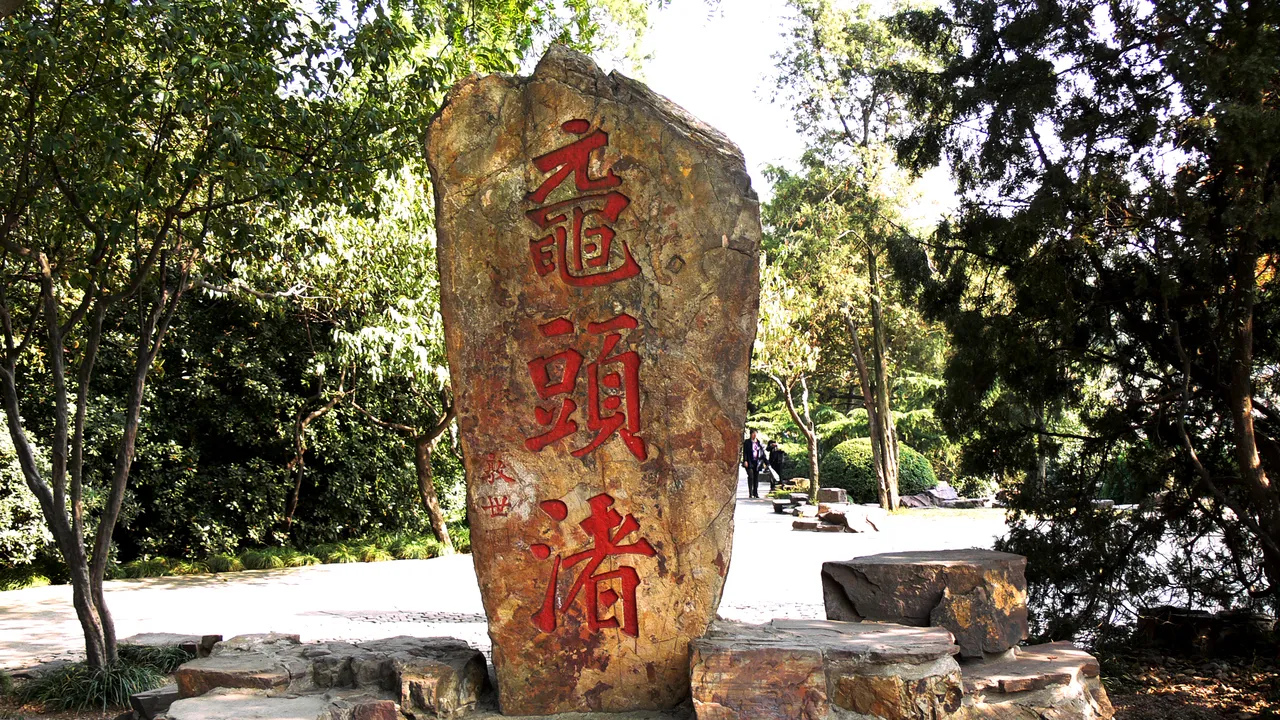
Yuantouzhu: Lake Tai before the Tour Buses
Open the three days at Yuantouzhu's earliest hour. Changchun Bridge blossoms, lakeside wind at the lighthouse, spray on the shore rocks: the classic loop takes about two hours, and arriving early keeps the frame to morning light and waterbirds. The wooded Chongshan path offers a second, quieter route.
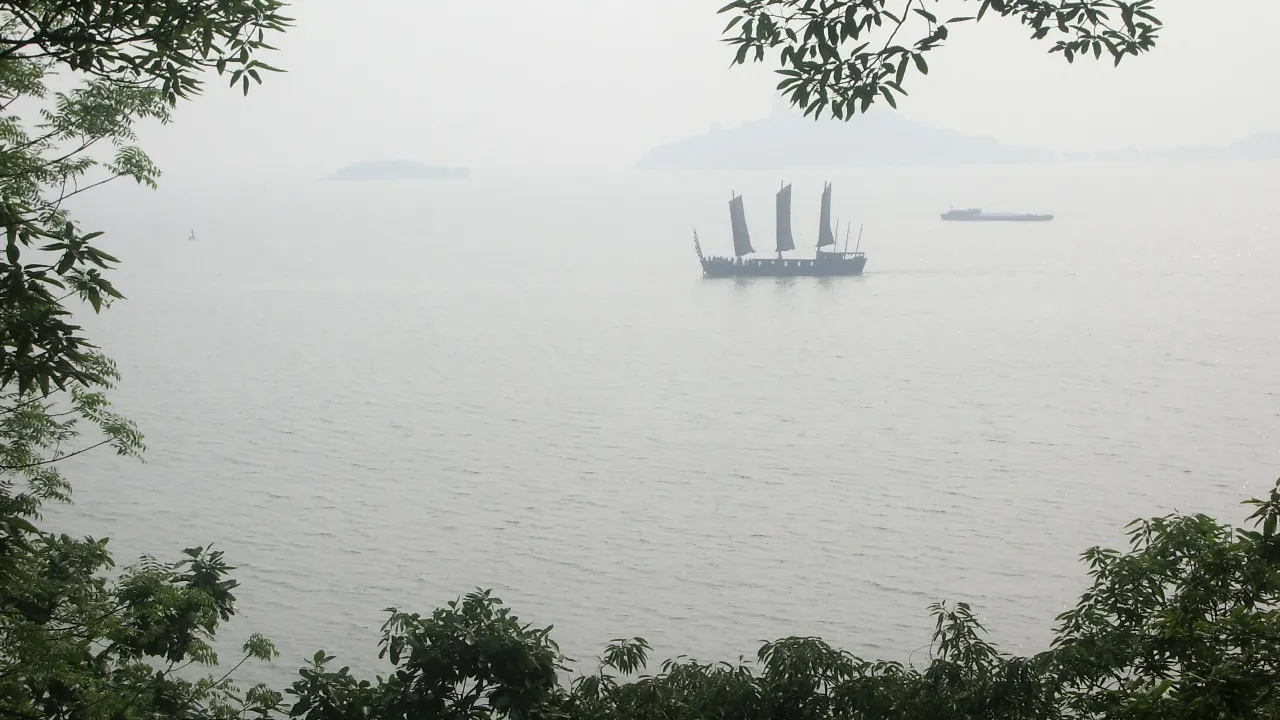
Boat from the pier to Taihu Fairy Island, ten-odd minutes across, the island split between Taoist halls and lake views, with the round trip included in the ticket. Aim back around one, eat lake fish at a gate-side restaurant, then head into town.
Lihu Bridge Park: A Prelude of Lake Wind and Sunset
Back in town by mid-afternoon, give the evening to Lihu Bridge Park. Free and open, the park frames the arched Lihu Bridge across the lake, Wuxi's first-choice sunset shot. The flat lakeside path invites a shared bicycle, wind coming straight off the water, pleasanter than any street inside the old town.
At sundown the bridge lights up and the water turns from gold to blue-violet. Restaurants are scarce here, so dine back in town beforehand or along the lakeside commercial street before the show.
Changguangxi Wetland Park: A Water Forest at the City's Edge
Day two slows down. Changguangxi wetland lies southwest of Lake Li, channels weaving between wooded islets, boardwalks pushing deep into the reeds where egrets and wild ducks rise and settle. This free urban wetland at morning smells of water vapor and grass, joggers outnumbering tourists.
The boardwalk loop takes about ninety minutes, with Shitang covered bridge as the mid-route photo stop. Small but fine-grained, the wetland deserves the whole morning; eat afterward in the nearby university district, plentiful and honest.
Liyuan Garden: A Lake Garden of Legend
Liyuan is the most refined garden on Lake Li, named for the legend of Fan Li and Xishi boating here. Half classical Jiangnan, rockeries and pavilions, half lake, with dikes and water pavilions reaching into the water, the thousand-step corridor framing a different lake scene in every lattice window. The Four Seasons pavilions hold the best view, city skyline and lotus leaves in one shot.
The rockery maze is designed to wander you in circles; accept it. Two hours covers the garden, and afterward stroll lake-side toward Fuyu Island to shake off the afternoon drowse.
Jingui Park and a Lakeside Dusk
Jingui Park is the citizen park of the Taihu new town, its great lawn and cherry grove a picnic ground for locals in spring, a running and kite-flying field on ordinary evenings. Free and open in aspect, it seats you on a gentle slope to watch the new town's skyline light up window by window, the new Wuxi in one view.
This stop is deliberately light, closing day two. Dinner happens in the new town's malls, dense with options, and if energy remains, return to the lake afterwards for the bridge by night.
Gonghu Bay Wetland Park: Morning on the Taihu Embankment
Before Mashan, stop at Gonghu Bay. This wetland spreads along the north embankment of Lake Tai, birding paths threading swamp cypress and reeds, the morning water flat as a mirror. Where Changguangxi is fine-grained, Gonghu Bay is the lake's own breadth.
Walk a stretch of the embankment and watch dawn turn the water from grey-blue to gold. Breakfast in the Taihu new town before setting out for Lingshan; the stop takes about an hour, the quietest of the day.
The Grand Buddha at Lingshan: Bronze at 88 Meters and the Nine-Dragon Bath
Day three crosses to Mashan. The Grand Buddha stands 88 meters tall, a bronze standing Shakyamuni facing Lake Tai, and the view from the stair base is the most direct awe on offer. Below sit Xiangfu Temple and its long history, while the Nine-Dragon Bath fountain plays fixed daily shows, the bronze lotus opening in music as the small prince statue rises, so claim a spot ten minutes early.
The grounds are vast with shuttle carts linking sights; cover the Buddha, the bath show and the Fan Palace in the morning. The palace interior runs flamboyantly ornate, domes and columns all handmade, a stop most visitors never anticipated.
Nianhuawan: The Zen Town by Day
Nianhuawan sits beside the Lingshan grounds, a town built to the theme of Zen: timber and earthen lanes climbing the slope, incense halls, sutra-copying rooms and teahouses. By day it is hushed, best taken slowly, half an hour copying sutras or a pot of tea watching pines and stones through the window.
Performances scatter across street corners, schedules at the visitor center. The afternoon is not about checklists but about finding one quiet seat and holding it until nightfall changes the town's face.
Nianhuawan by Night: After the Lamps Come On
Night is Nianhuawan's main feature. Lit up, the town unrolls like a slow handscroll: pagoda shadows, water-screen shows, lotus lanterns on Five-Lamp Lake, with a fixed nightly lighting ceremony. Travelers in hanfu carry lanterns across stone bridges, and the night filters most of the commerce out of the commercial.
Overnight is the best plan, the town rewarding both night and morning; if not staying, at least hold for the water-screen show. The last buses back to town leave near nine, taxis about forty minutes. Three days of shoreline end here, where Zen is less shopping than a bowl of vegetarian noodles under the lamps.
| Getting around |
|
| Budget | Entry (about RMB 90 at Yuantouzhu, RMB 55 at Liyuan, RMB 210 at Lingshan) plus meals and transport, roughly RMB 550-750 pp. |
| Best time | March-May brings blossoms and spring water, September-November reeds and migrating birds; in summer, go out mornings and evenings and keep noon indoors or in shade. |
FAQs
Which day is the heaviest, and how can it be adjusted?
Day one is heaviest, a full walking day at Yuantouzhu plus the island. Trim it by skipping the island and walking only the shore loop, moving into the Lake Li stretch early, or dropping the Luding Hill climb. Days two and three are already light, and cutting Changguangxi to an hour works fine.
Do Lingshan and Nianhuawan tickets overlap, and what is the smart way to buy?
They sell separately, about RMB 210 and RMB 120, and official sites and platforms often bundle tickets or room-plus-entry packages, with in-town hotels usually including evening re-entry. For night only, Nianhuawan sometimes offers evening tickets below full-day prices, per the official channel's daily posting.
How far ahead should lodging be booked for the three days in blossom season?
In blossom season, mid-March to early April, hotel prices near Yuantouzhu and downtown climb visibly, so lock rooms two to three weeks ahead, and a month ahead for in-town Nianhuawan stays. On a budget, stay along metro line 1, convenient to both Yuantouzhu and Mashan, the best value play.
With so much outdoor time, how should I prepare against heat and insects?
In summer, go out mornings and evenings and keep noon indoors or at the hotel; sun hat, water-resistant bag and more than one bottle of water are standard gear. Wetlands and woods breed insects, so pair a thin long-sleeve layer with repellent. Thunderstorms arrive fast by the lake, so a folding umbrella stays in the bag year-round.