
Xi'an's shopping map stacks three eras: the brush-and-ink era of Shuyuanmen, the market era of the Muslim Quarter, and the new-consumer era of SKP. This route walks a stretch of each, and the point is buying the right thing in each layer, scholar's supplies on Shuyuanmen, edibles in the quarter, fashion and collectible toys in the malls, Terracotta figurines only at the museum shop.
On a shopping day, budget discipline matters more than routing. Three rules: buy cultural-creative goods at official in-site stores, pricier but genuinely designed; buy foodstuffs from resident stalls in the quarter, about thirty percent cheaper than the main drag; and for jade and antiques, if you cannot authenticate, the best authentication is not buying.
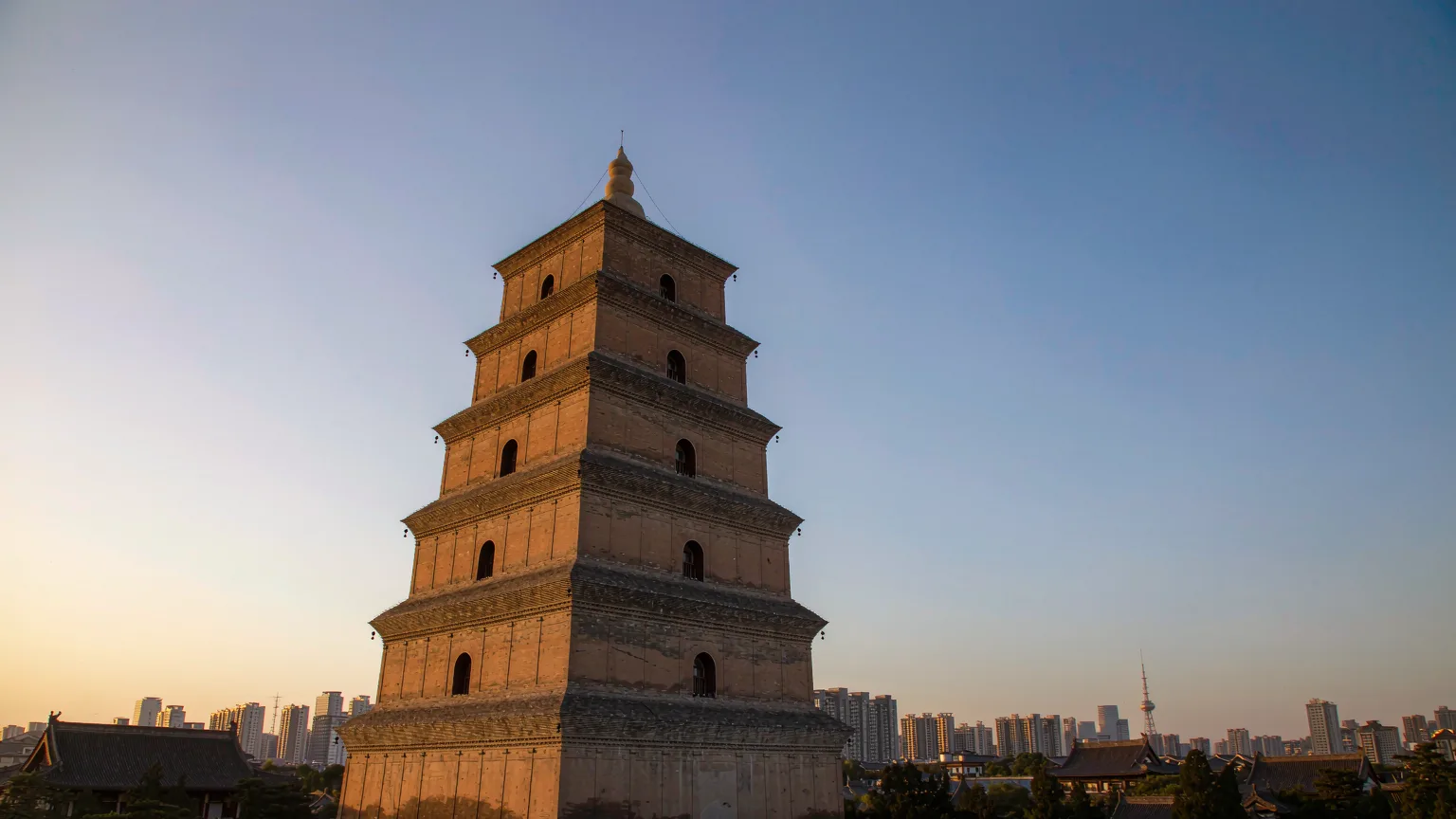
Itinerary at a glance
| 09:30 | Shuyuanmen: A Brush for the People Who Write |
| 11:00 | Quarter Souvenirs: The Xi'an That Fits in a Suitcase |
| 14:00 | SKP and SAGA: The New Xi'an's Shopwindows |
| 17:00 | Pagoda-Area Cultural Goods and Art Bookshops |
| 19:30 | One Last Stop under the Everbright Lights |
The route, stop by stop
Shuyuanmen: A Brush for the People Who Write
Shuyuanmen at this hour resembles its old self: mounting-shop masters brushing paste at the door, the stone dust of seal carving drifting down the street. The scholar's shopping list: a combined-hair or goat-hair brush from tens to hundreds of yuan, plenty for a beginner, cinnabar seal paste, and handmade Mao-edge paper. The brush test runs on four virtues, tip, alignment, roundness, resilience; ask the shopkeeper to dip and prove the point.
The street also sells replicas of Forest of Steles rubbings; a properly mounted Duobao Pagoda stele rubbing runs RMB 100-300, far more tactile than the printed versions at the sights.
Ask whether a rubbing is hand-pulled or printed: hand rubbings show uneven ink and the marks of the tamping cloth on the reverse, and cost three to five times the printed kind. Skip the shop's framing service, roll the piece into a stiff tube and have it mounted at home, where the work costs less than the framing fee here.
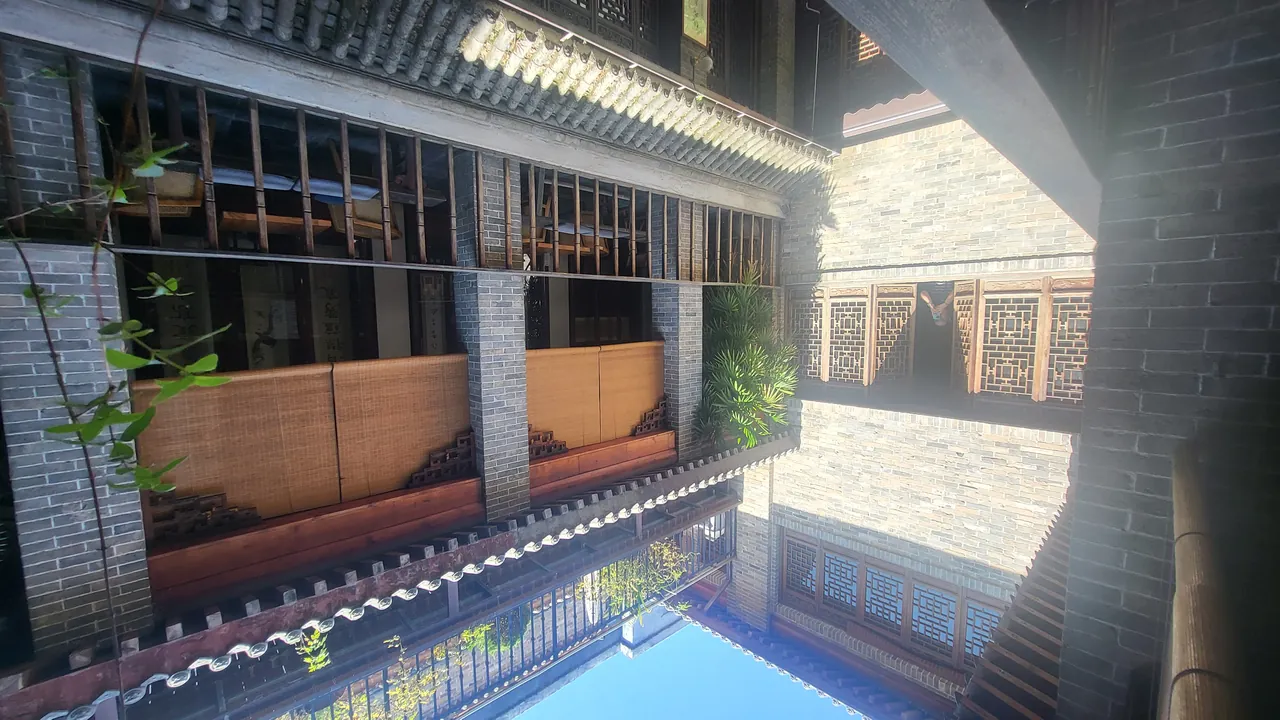
Quarter Souvenirs: The Xi'an That Fits in a Suitcase
Quarter souvenirs come in three kinds. Edibles: Demaogong crystal pastries, the city's nostalgic sweet; vacuum-packed chili oil and beef sauce from resident stalls, checkable luggage; and sour plum powder. Drinkables: Jingyang fu brick tea, a dark tea that travels well in brick form. Usables: quarter-made leather-coaster small goods. Chain shops on the main street run high; shops in Xiyangshi and Dapiyuan lanes cost about thirty percent less.
Vacuum-packed cured beef is a top pick too: buy the day's batch, it keeps two to three days chilled, and check airline rules before flying, generally fine as checked baggage domestically, not internationally.
SKP and SAGA: The New Xi'an's Shopwindows
Give the afternoon to the two malls outside the South Gate. SKP ranks among Asia's top department stores by revenue; its basement RENDEZVOUS bookstore and design-goods zone deserve a half hour of their own, and the international beauty and fashion floors price at international parity, with authenticity and tax-refund service as the real advantages, departing travelers should carry passports for refund forms.
SAGA at Xiaozhai is the student stronghold: cosmetics and streetwear on floors one to five at friendly prices, the famous food floor on level six, home of the endless-queue hotpot, and a rooftop garden facing the Giant Wild Goose Pagoda. Pick one mall; if budget and legs allow both, shop at SKP, eat at SAGA.
Split your time differently at each: give SKP one solid block of two hours, but break Saige into an hour before lunch and an hour after, taking a queue number at the food floor first and browsing the counters until your table is ready. Both issue same-day membership cards, so ask about parking and points on the spot rather than fixing it later.
Pagoda-Area Cultural Goods and Art Bookshops
Return to the pagoda by evening and close the shopping day in cultural goods. The official store inside the scenic area keeps a steady bar: silk scarves with the pagoda silhouette, sutra-typeface bookmarks, gilt bronze silkworm figures from the history museum's IP, mostly RMB 30-200, genuinely designed and free of the souvenir-market sameness.
Qujiang Book City, walkable southeast of the pagoda, is a three-floor indie bookstore with serious design-goods and children's sections; when the bags get heavy, sit at the floor-to-ceiling windows and watch the pagoda catch the dusk. The correct fermata for a shopping day.
One Last Stop under the Everbright Lights
Inventory check before the night ends: vacuum seals and shelf dates on food, padding on breakables, refund papers in order. The pedestrian street's creative stalls vary in quality; unless something hand-made on the spot catches you, sugar painting or small shadow-puppet pieces, the official stores remain the standard.
One last thought for a shopping day: leave Xi'an with a reason unfinished. These shelves have not been empty in three thousand years; what you carry home is this visit's portion, and next time, the seal-carver on Shuyuanmen will be at his old spot.
| Getting around |
|
| Budget | Souvenir budgets swing wide, from RMB 50 figurines to jade in the tens of thousands; most travelers do it well within RMB 300-800. |
| Best time | Any season; weekends stock the cultural shops fullest though malls crowd, while jade markets reward weekdays. |
FAQs
Where do I buy genuine Terracotta figurines?
Two channels: the official store inside the mausoleum museum and the creative counters at the Shaanxi History Museum. Genuine pieces carry museum licensing and run RMB 50-300. The ten-for-ten-yuan boxes at gate stalls are crude resin casts that will not survive gift-giving.
Is the jade market worth visiting?
Xi'an is not a jade hub; local markets retail mostly Hetian and Lantian jade at tourist-hostile depth. Without an expert companion, cross jade off the list; for stone souvenirs, museum replicas of seals and pendants are the safe buy.
Can vacuum-packed cured beef leave on an international flight?
Almost certainly not. Most countries restrict meat imports regardless of vacuum packing. Eat your fill on the last day in Xi'an and gift the tea, crystal pastries and sour plum powder instead.
How much more do the malls cost versus online prices?
Standardized goods, beauty and electronics, price at parity, and you buy in person for authenticity plus tax refunds. Local specialties, tea and foodstuffs, run ten to twenty percent above online, but you see and taste the goods first, which earns its premium for gifting or tight schedules.