
Chaozhou wakes inside a bowl of rice-sheet soup. The city's eating runs on a strict clock: Xima Road's morning market belongs to salt-water rice cakes and steamed rolls, noon belongs to Guantang's fresh-cut beef hotpot, the afternoon to Paifang Street's duck-tongue sweets and oyster omelette, and only after dark do the riverfront stalls lay out cold dishes and fish rice. Follow the clock and one day eats like three.
Geography is simple: morning and afternoon happen on foot in the old town, while lunch means a twenty-minute taxi to Guantang town at the city's edge. Chaozhou being the home of gongfu tea, a post-meal cup of Fenghuang dancong is not ceremony but necessity, cutting grease and stretching the stomach's campaign into the night.
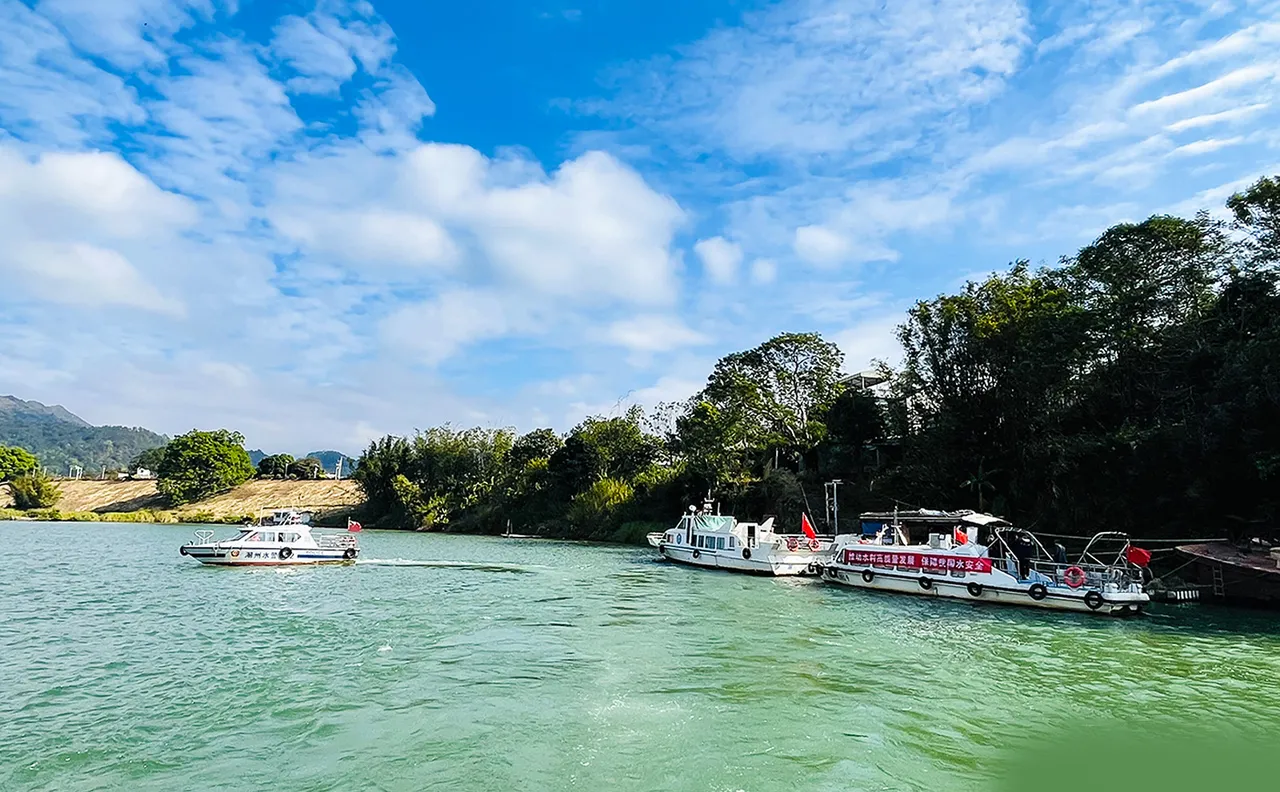
Itinerary at a glance
| 07:30 | Xima Road Morning Market: A World of Rice Cakes |
| 12:00 | Guantang Beef Hotpot: A Proper Meal Ordered by Cut |
| 15:30 | Paifang Street Sweet Hour: Duck-Tongue Dumplings and Oyster Omelette |
| 19:00 | Riverside Cold Supper: Fish Rice, Raw Cures and Fish-Pot Stews |
The route, stop by stop
Xima Road Morning Market: A World of Rice Cakes
Chaozhou pushes rice cookery to its limit, and the morning market is the proof. Shops open at six along Xima Road: salt-water kway are little steamed rice discs holding a spoonful of preserved-radish relish; kway teow here means thin rice sheets in braised gravy with braised meats; and the local steamed roll, thin-skinned and generously filled, comes double-sauced with peanut and braising gravy, a different school from the Cantonese version.
The local standard is plain congee with a spread of pickles, a dozen small plates of salted vegetables and fish. Travelers need not take it all: rice-sheet soup plus salt-water kway plus a cup of gongfu tea makes a proper opening act. Portions run small; keeping reserve capacity is the law of this street.
Guantang Beef Hotpot: A Proper Meal Ordered by Cut
Chaozhou beef hotpot orders by cut: neck-core with snowflake marbling and the scarcest yield; the shoulder cuts tender with snap; the back-ridge slice marbled fat and lean; and chest fat, crisp yet never greasy. Every plate names its cut and its seconds in the pot, the full ritual of Chaoshan beef hotpot.
Guantang, at Chaozhou's edge, clusters hotpot houses around the town slaughterhouse, so beef travels from board to table in hours. The broth is nothing but beef-bone stock with radish: drink first, then swish. Sesame sauce with a spoon of garlic oil is the dip. Two people ordering three cuts and one plate of rice noodles hits the golden ratio.
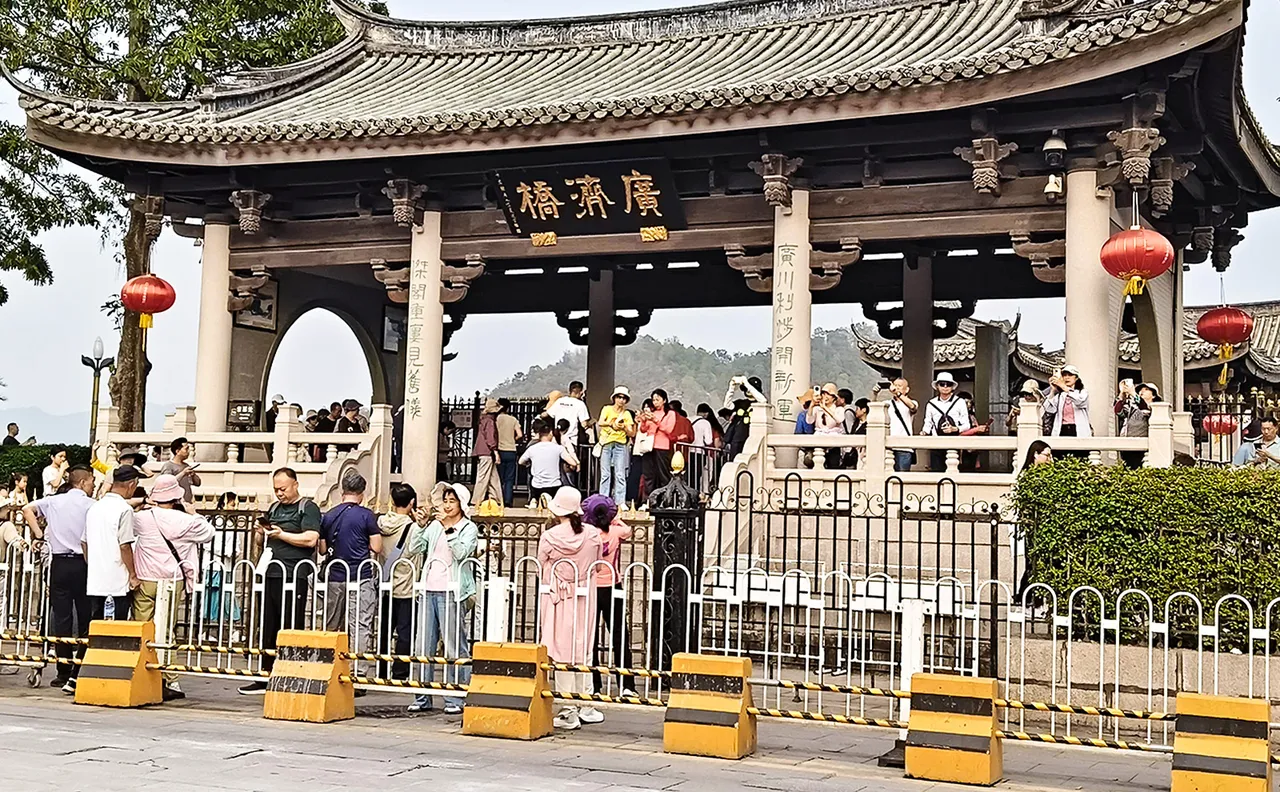
Paifang Street Sweet Hour: Duck-Tongue Dumplings and Oyster Omelette
Three thirty is when sweets wake. Duck-tongue dumplings are Chaozhou's take on tangyuan, a size larger, glutinous skins wrapped around sesame, red-bean or taro paste, bobbing in syrup; the name comes from how they float like white ducks. The old shops sit around Paifang Street and Kaiyuan Road, two to a bowl.
Save the savory slot for the oyster omelette: fresh oysters bound in tapioca batter and egg, fried crisp at the edges in lard, dipped in fish sauce with pepper. Alternate sweet and savory, rinse with Fenghuang dancong, and finish with a skewer of pickled green mango from the licorice-fruit stand to keep room for night.
Riverside Cold Supper: Fish Rice, Raw Cures and Fish-Pot Stews
Da leng is the Chaozhou word for the cold-dish supper stall, and its soul is fish rice: sea fish poached in strong brine and served cool, flesh set firm like aspic, eaten cold with soybean dip. Round scad, bigeye and pomfret each claim a tray, displayed like exhibits. Raw pickled shrimp and crab are the brave corner, salt-fresh and icy, nicknamed addictive poison by regulars.
Order two or three fish rice as the base, one mixed-fish pot or baby-oyster congee as the hot main, and scale the raw cures to your nerve. Stalls line the river with sea wind, water views and plastic stools, the complete grammar of a Chaozhou night. By the last dish, every calorie gambled earlier in the day pays off.
| Getting around |
|
| Budget | Graze all day for about RMB 150-250 pp; a beef hotpot adds RMB 60-100. |
| Best time | Year-round; the morning market fades after 9 am, beef hotpot peaks at lunch, and cold-dish stalls only wake after dark. |
FAQs
Are four eating sessions in one day too much? How do I pace it?
Follow the iron rule of half portions: three light bites at the market, three cuts for two at hotpot, one sweet and one savory in the afternoon, fish rice for supper. Chaozhou portions run naturally small; as long as you never chase a clean plate, capacity holds. The real mistake is overeating early and forcing noon.
How does Guantang beef hotpot differ from Shantou's?
The grammar is identical: clear broth, cuts by name, sesame dip. Guantang's edge is proximity, the slaughterhouse sits in town so meat lands faster, with a village feel; Shantou offers more polished chains and range. An hour apart, the core experience matches, so take whichever sits on your route.
How should beef-avoiders or sensitive stomachs plan the day?
Swap beef hotpot for fish-head hotpot or claypot congee, available both in Guantang and downtown; skip raw cures entirely with a touchy stomach, and pick fully cooked, cooled fish rice which runs safer. The morning rice cakes are all rice-based and nearly risk-free. Carry stomach remedies and keep drinking water, more useful than abstaining.
Do the riverside stalls overcharge tourists? How do I order safely?
Pick stalls full of locals with prices posted openly, confirm whether the day's fish rice and raw cures price per plate or per weight, and reconcile skewers and plates at the bill. Chaozhou's stalls run honest, known for big portions and fair prices; just avoid the loudest touts at the entrance and you are safe.