
Chaozhou shopping orbits three things: Fenghuang dancong tea, hand-pulled red clay teapots, and Fuxi ceramics. The tea is the city's taste ID, the pots give gongfu tea its body, the kilns are a thousand-year industrial base. The route follows look-before-buying: morning on Paifang Street to learn the market, afternoon at Fuxi Ceramics City to see the industry upstream, evening to spend slowly.
Three budget rules: buy tea in small packs first and stock up after tasting; check pots in person for hand-made marks, throwing rings inside and the maker's seal below; bargain at the wholesale market on batch logic. Embroidery and woodcarving are appreciation purchases; without a trained eye, look, do not pay.
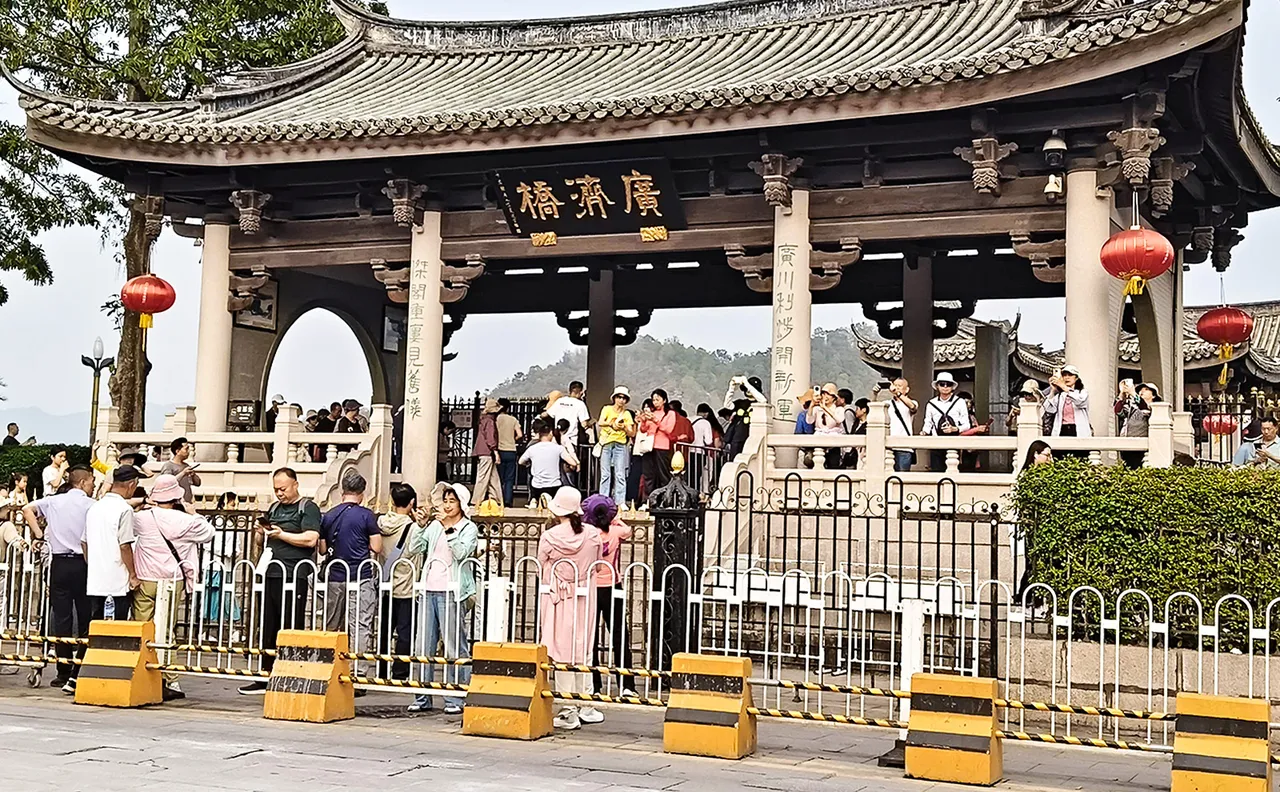
Itinerary at a glance
| 09:30 | Paifang Street Provisions: Tea, Pastry and Preserved Citrus |
| 11:30 | A Red Clay Teapot Workshop: How a Pot Is Born |
| 14:30 | Fuxi Ceramics City: Hunting at the Industry's Source |
| 17:00 | Embroidery and Woodcarving Shops: Buying with the Right Posture |
The route, stop by stop
Paifang Street Provisions: Tea, Pastry and Preserved Citrus
Spend the morning browsing without buying, learning the market. Fenghuang dancong splits into honey orchid, duck-dung and orchid aromas; daily-drinker grades run RMB 50-150 per catty while Wudong high-mountain tea sells by the gram at several times the price. Ask altitude and season first, then smell the dry leaf and taste a brew, since aroma must reach the water.
For edibles, three names: the salty-sweet fermented-bean cake, old citrus preserved for years from bergamot, and sugar-onion wafers rolled to order. Vacuum-packed citrus and boxed pastries travel best; have the shop vacuum-seal tea for the flight. Side-lane stores undercut the main street by twenty to thirty percent on identical goods.
A Red Clay Teapot Workshop: How a Pot Is Born
Chaozhou's hand-pulled pots differ entirely from the Yixing school: local red clay shaped on a spinning wheel, the body growing out of the mud as it turns, leaving concentric throwing rings inside, the craft's fingerprint. Workshops off Paifang Street run shop-front, factory-behind, with throwing wheels visible behind glass.
Choose by three tests: lid-to-mouth fit, where an inverted pot should hold its lid; the pour, which should column cleanly at seven inches and cut off crisply; and weight, since thin-walled red clay feels light but not hollow. A hundred buys a student pot, a thousand a named master; for daily brewing the RMB 300 tier already performs beautifully.
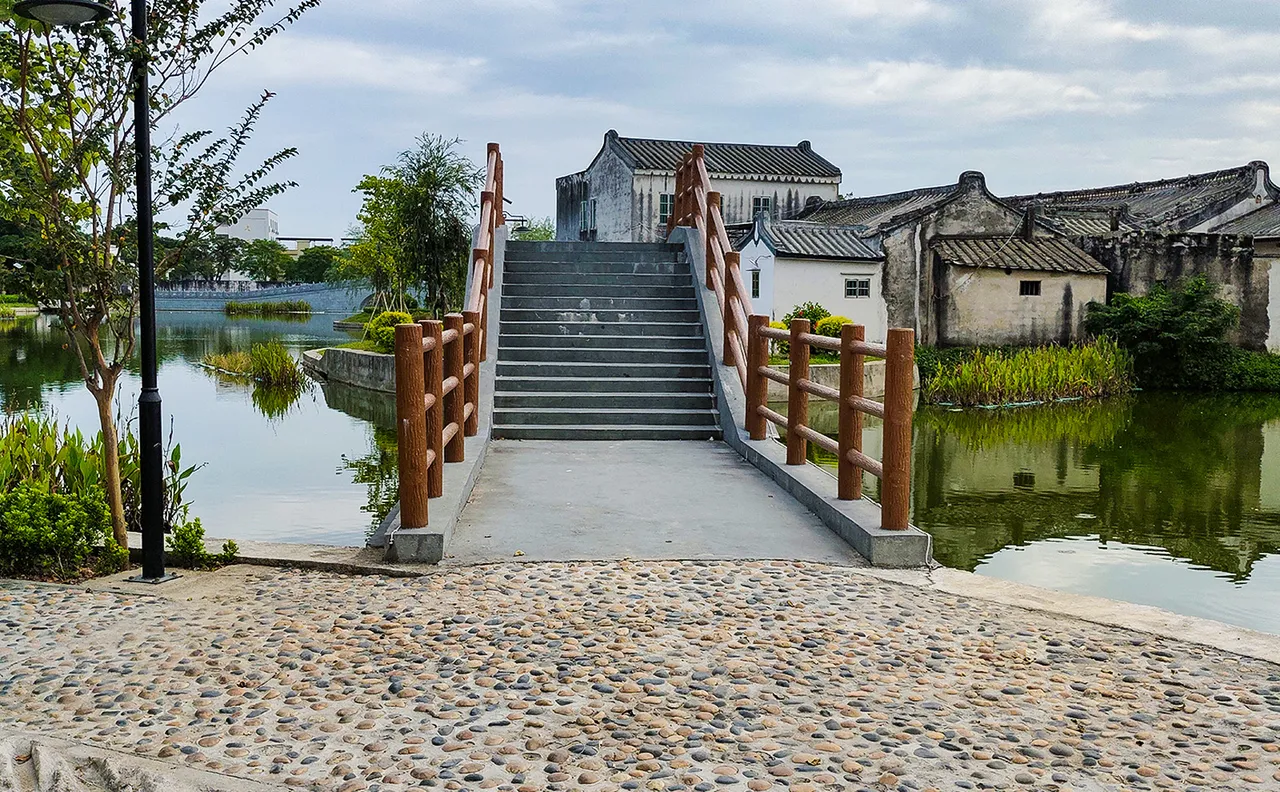
Fuxi Ceramics City: Hunting at the Industry's Source
Fuxi is the core of Chaozhou's ceramic industry, and the ceramics city is a wholesale market by birth: tableware, art ware and sanitary ware in their zones, a single bone-china bowl wholesaling at perhaps a third of mall prices. Walk-in buyers welcome; think in dozens, since several pieces of one pattern drop the unit price at once.
Route it right: sweep the exhibition hall first for the ceiling of style and craft, then burrow into the shop stalls where bargaining actually happens. Openwork porcelain and porcelain flowers are Fuxi's specialties, and a translucent carved vase deserves a detour. Budget for shipping: vendors pack well, but insure fragile pieces on long hauls.
Embroidery and Woodcarving Shops: Buying with the Right Posture
Back in the old town, save the last stretch for embroidery and woodcarving. Chaozhou embroidery is famous for padded relief, the surface rising like sculpture, with gold-thread couching the most labor-hungry; a palm-sized double-sided piece takes months. Woodcarving shops price gilt members, camphor hanging screens and desk pieces by the object, the sound of the craftsman's file the best shop sign.
Set a hard ceiling for this category: for decoration, follow your eye across a few hundred to a few thousand; true collectible works come with artist certificates and award records offered unprompted. High prices without papers are craft to admire, so route the money back into tea and teapots.
| Getting around |
|
| Budget | Daily-drinker dancong starts RMB 50-150 per catty; hand-pulled pots run RMB 100-600; a RMB 300-800 gift budget looks perfectly respectable. |
| Best time | Any season; weekends stock Fuxi fullest though busiest, weekdays suit calm pot-hunting and bargaining. |
FAQs
What tea budget makes sense, and how do I avoid bad buys?
RMB 80-150 per catty is a sane daily-drinker range; buy only when the brew's aroma reaches the water and sweetness returns. Above RMB 300, ask for origin and altitude proof. The classic trap is the Wudong name premium, so remember true high-mountain tea sells by the gram, and deep automatic discounts deserve suspicion.
Can clay teapots fly with me or ship abroad?
Domestic flights accept them in cabin or checked, best wrapped in soft cloth inside a hard case. International checked luggage is fine, though some countries restrict earthenware imports, so check destination customs first. Ask the shop for a formal invoice and material note to smooth any inspection.
Do retail buyers get treated differently at Fuxi?
No one refuses you, but quotes follow wholesale logic: single-piece retail runs high, and three to five of one pattern loosens prices at once. Politely say it is for personal use in small quantity and most vendors flex; at absurd quotes, smile and move on, the market is big enough.
With a tight budget, how do I rank tea, teapot and ceramics?
Rank tea, pot, ceramics: dancong keeps pouring at home daily, extending the Chaozhou taste; a RMB 300 hand-pulled pot lasts ten years; ceramics are cheap here but fragile to haul, and online orders shipped from origin spare the trouble. Spend on what you will use often, a rule that travels anywhere.