
The three-day city version moves inside-out: day one sinks the old town's axis, linking Paifang Street, Kaiyuan Temple, Guangji Tower and the bridge; day two crosses the river for the shrine in the morning, hides in the museum after lunch, and reads night Chaozhou along the promenade; day three runs out to Longhu village and returns through a Guantang beef pot.
The logic is outdoors in the morning, indoors at noon, riverside by evening, dodging the city's hottest and most crowded hours. Staying in the old town remains optimal; over three days you will taxi fewer than five times, the rest belongs to your legs and one bridge.
Itinerary at a glance
| 09:00 | Paifang Street: First Pass, North to South |
| 11:00 | Kaiyuan Temple: The Old Town's Heart |
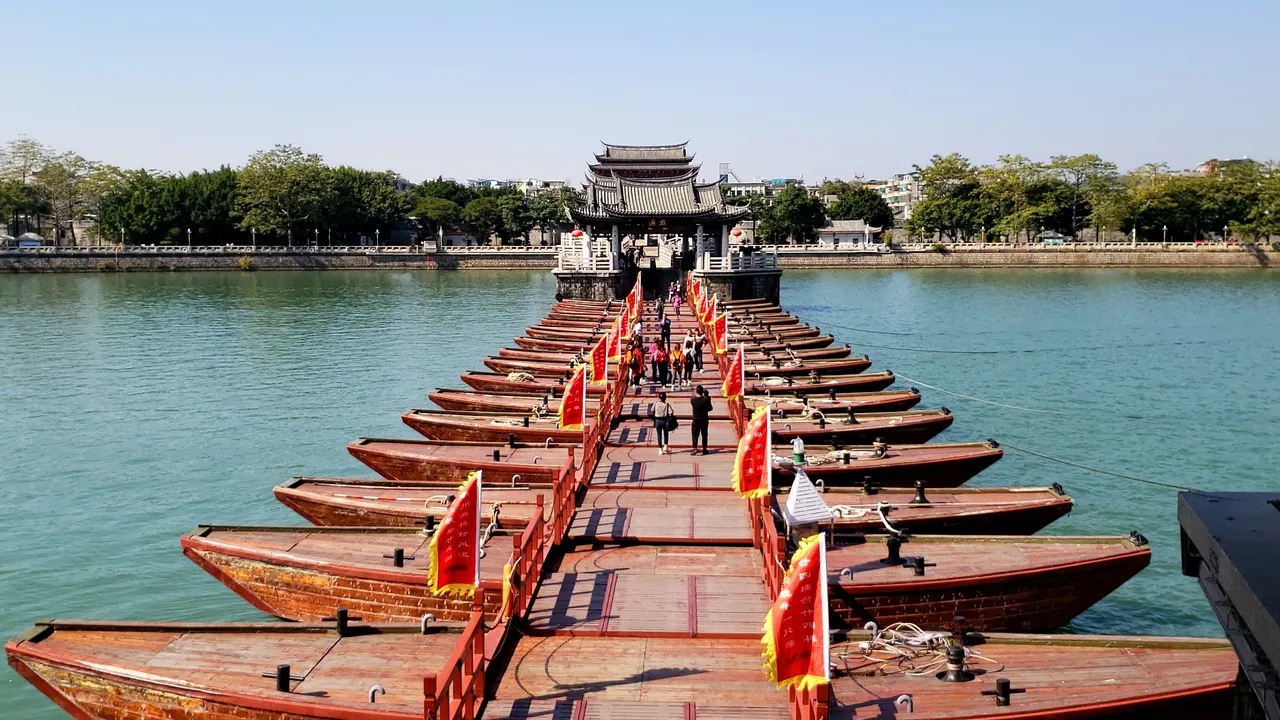
| 16:00 | Guangji Tower and Guangji Bridge: One Bridge, Two Readings |
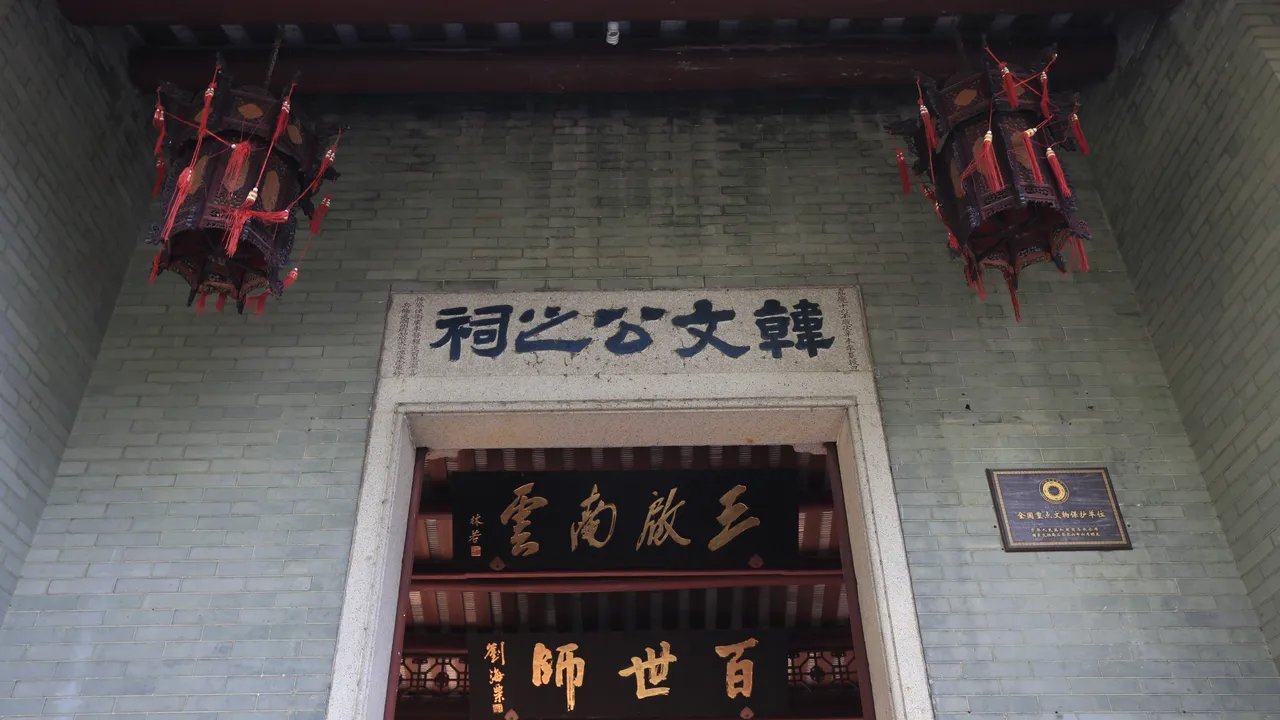
| 09:00 | Han Wengong Shrine: Crossing at Dawn |
| 14:00 | Chaozhou Museum: The Best Noon Refuge |
| 19:30 | The Promenade at Night: The Han River's Evening Theater |
| 09:30 | Longhu Ancient Village: Rural Chaozhou beyond the Walls |
| 12:30 | Guantang Beef Hotpot: The Way-Stop Back to Town |
| 16:00 | West Lake and the Evening Market: Where Three Days Land |
The route, stop by stop
Paifang Street: First Pass, North to South
Enter from the north at nine, before crowds and with shutters just coming down, the hour the street feels like a street rather than an attraction. Two dozen stone archways pass in review while arcade shops open and pastry and tea scents drift from lane mouths.
Finish the main drag and turn into Xima Road or a Yi'an lane for a second breakfast of salt-water kway and rice-sheet soup, steadying the stomach for the day. Morning's job is mapping: lanes and teahouses, a chart the afternoon and tomorrow will reuse.
Kaiyuan Temple: The Old Town's Heart
Turn into Kaiyuan Road from mid-street and the temple has waited a millennium at its end. Layered restorations over Tang foundations, the scale of the Heavenly Kings hall, sutra pillars before the main hall, ridge porcelain overhead, everywhere the confidence of eastern Guangdong's foremost monastery. Incense runs thick yet order holds; voices drop at the gate.
Forty minutes suffices, and entering before eleven dodges group peak. Benches line the cloister; ten minutes of deliberate nothing is the best half-time the old town offers.
Guangji Tower and Guangji Bridge: One Bridge, Two Readings
At four return to the east gate and climb Guangji Tower as light slants and the river turns gold, the ramparts gathering rooftops, water and Han Mountain into one picture. Descend through the gate arch onto the bridge, daytime pontoons lashed tight, and glance back from mid-span for the best composition.
Do not rush off at dusk; walk the return once the lamps come on. Night traces the bridge's outline in light, the pontoon afloat in glow, a different creature from daylight. Two faces in one day is this route's best bargain.
Han Wengong Shrine: Crossing at Dawn
Day two starts with an early crossing; off the bridge's east end the shrine waits. Morning brings the thinnest crowds, and climbing terrace by terrace, the river and bridge in dawn haze give the day's cleanest composition. Han Yu served eight months; the city remembered a thousand years, and the steles inside tell the renaming of mountains and rivers most truly.
The pavilion behind the main hall adds one more level and a higher sweep. Unfinished is fine, this stop merits a second visit to catch the stele corridor the first day only skimmed.
Chaozhou Museum: The Best Noon Refuge
Give the harshest noon to the museum. Collections run from Neolithic Fubin culture to modern times, with the gilt shrine room the afternoon's centerpiece and the ceramics galleries explaining how Fuxi kilns earned a porcelain-capital reputation. Free entry, strong air conditioning, two slow hours exactly covering the heat.
Study the carving here and the real thing reads deeper: add the ancestral hall tomorrow and the cased members match the originals in situ, the museum's hidden use as a preview.
The Promenade at Night: The Han River's Evening Theater
After dinner walk the riverside promenade, the locals' evening stage: square-dance speakers, kite lights, jogging footsteps, all at the foot of a six-century wall. Far off, the lit bridge and riverside light belts draw one gold thread; night Chaozhou is the gentler one.
Tea stalls line the walk; order a pot of Fenghuang dancong, sit by the water and drink into ten o'clock on the river breeze. The trip's cheapest luxury may be this: thirty yuan for an entire river's evening.
Longhu Ancient Village: Rural Chaozhou beyond the Walls
Day three heads out, thirty minutes to Longhu. The thousand-year settlement spreads along the river's west bank, halls, mansions and study houses in line, carving density rivaling the old town at a fraction of the visitors. Daily life continues: chess elders, drying vegetables, kids pedaling through lanes.
See the best-kept halls, then eat a local rice-noodle bowl on the old street. The walled city shows Chaozhou of officials and merchant guilds, the village shows clans and farming scholars; only together is the picture whole.
Guantang Beef Hotpot: The Way-Stop Back to Town
Longhu back to town passes straight through Guantang, the natural lunch stop. Dodge the twelve-to-one rush and seat at half past one: neck-core, shoulder, back-ridge and chest fat one plate each, clear bone broth, cuts swished by the second, sesame sauce with garlic oil.
Ending three days on a pot of beef makes sense: the Chaozhou obsession with freshness shows most plainly at the hotpot table, where beef travels hours from slaughter to serving. Fed and watered, ride back and there is still time for one more tea session.
West Lake and the Evening Market: Where Three Days Land
Back in town, give the afternoon to West Lake, a lakeside loop to settle lunch, a few cliff inscriptions along the way. Arrive toward evening and the elders' chess tables and schoolkids are the most Chaozhou picture of all, three days landing softly.
On the last night, see Paifang Street's lamps once more: two dozen stone archways lit against the dark, a different street from the first morning's plain face. With dancong tea and a clay pot packed, the city owes you nothing.
| Getting around |
|
| Budget | Entries over three days total RMB 120-160 with meals at RMB 300-450, RMB 500-700 pp before lodging. |
| Best time | October to December and March to April are kindest; take the bridge at dawn, the museum at noon, the river nights in any season. |
FAQs
Do three city days just repeat the one-day highlights?
No, the difference is depth: the one-day version walks the axis, while three days add the wall's north stretch, the museum, the river nights, the village and Guantang, turning checkmarks into slow reads. For pure highlights, two days also stand, swapping the village for Fuxi ceramics on day three.
How do I check pontoon times at Guangji Bridge, and which day is best?
Times follow the day's posted notice and official account, varying by season. Put the bridge at dawn on day one or two: opening crowds are thinnest, and if the pontoon opens for river traffic, watching boats thread the gap from the east bank is the trip's most singular scene.
Is the museum worth it, and how does it trade off against the ancestral hall?
The museum is free and gives the framework for understanding Chaozhou craft, ninety minutes well spent; forced to choose, take the ancestral hall, since no case can substitute for the originals. The best answer is both: museum first as preview, and the hall's impact doubles.
Is the riverside promenade safe at night, and good with kids?
Yes, evenings belong to local families, well peopled and mostly lit. With kids mind three things: hold hands at railings and steps, keep teahouse kettles out of reach, and skirt kite-line zones. Activity thins after eight, so wrap up before nine.