 TripMyChinaJOURNEYS THROUGH REAL CHINA✦ AI Trip✦ Plan My Trip
English
简体中文
繁體中文
日本語
한국어
ไทย
Tiếng Việt
Bahasa Indonesia
Italiano
Español
العربية
Русский
Deutsch
Français
Bahasa Malaysia
TripMyChinaJOURNEYS THROUGH REAL CHINA✦ AI Trip✦ Plan My TripChengde is best known for the Mountain Resort, a Qing imperial garden laid out in three zones: mountain, lake and plain. The Eight Outer Temples, including Puning Temple, Putuo Zongcheng Temple and Xumi Fushou Temple, stand around it, with Qingchui Peak and Mulan Weichang further out.
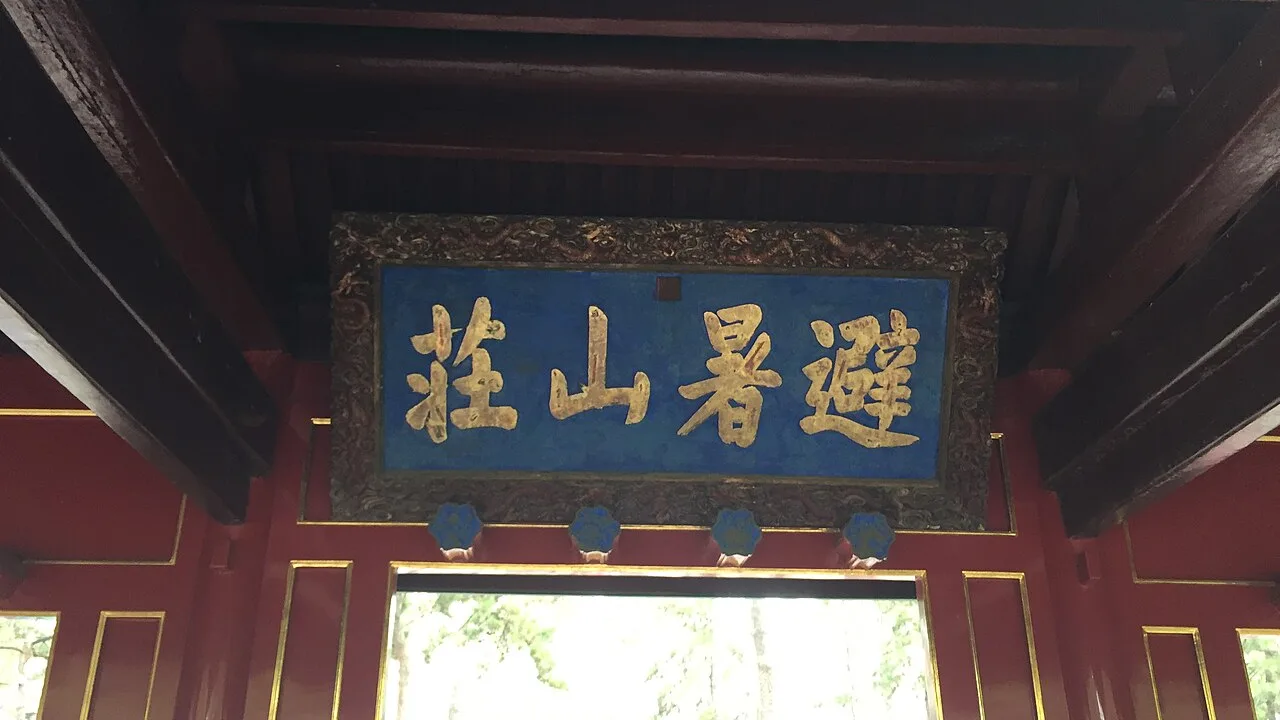
Chengde sits in northern Hebei, north of the Great Wall and close to the border with Inner Mongolia. It is a prefecture-level city whose core is a river valley ringed by low mountains, and it functions as the gateway between the North China Plain and the grasslands beyond.
The city's prominence dates from the Qing dynasty, when emperors built a summer capital here to escape the heat of Beijing and to receive Mongol and Tibetan envoys. That history left a compact landscape of imperial gardens and temples, and gives Chengde a quieter, more ceremonial air than most Chinese cities of its size.
Most visits centre on the Mountain Resort, a vast imperial garden with lake, plain and mountain zones; the lakeside area and the surrounding Outer Temples, including Puning Temple and Putuo Zongcheng Temple, are the usual focus. Beyond the city, Qingchui Peak rises above the valley, and Mulan Weichang to the north offers grassland and forest landscapes.
World-class, national and global recognition earned over the decades.
Chengde Mountain Resort and its Outlying Temples were inscribed on the UNESCO World Heritage List.
The Mountain Resort is the largest surviving imperial garden in China, covering mountain, lake and plain zones.
Qingchui Peak is a notable landmark in the Chengde area.
Mulan Weichang is a historic hunting ground and grassland area in Chengde.

The moments that shaped the city — and the stories its people still tell.
The Mountain Resort was built as a Qing imperial summer retreat, combining mountain, lake and plain zones.
The Outlying Temples, including Puning Temple, Putuo Zongcheng Temple and Xumifushou Temple, were built around the resort.
Mulan Weichang served as a Qing imperial hunting ground.
Qingchui Peak is a natural rock formation that became a recognized landmark of Chengde.
Local specialties such as Shanzhuang Laojiu liquor and Yutu lotus-leaf chicken are associated with Chengde.
The Mountain Resort and its Outlying Temples are recognized as a UNESCO World Heritage Site.
The resort is divided into mountain, lake and plain zones, reflecting Qing garden design.
The Outlying Temples include Puning Temple, Putuo Zongcheng Temple and Xumifushou Temple.
Qingchui Peak is a distinctive rock formation in the Chengde landscape.
Three paces, one city — every route built from places we actually operate.
Weather, crowds and the best months for what you want to see.
Mild weather for visiting the Mountain Resort and temples.
Summer is the traditional season for the imperial retreat.
Clear days and autumn colors in the mountain zone.
Cold and quiet, with fewer visitors.
Comfortable temperatures and autumn scenery make this a preferred time to visit.
What this city is known for — the things worth planning your day around.
The places worth building a day around.
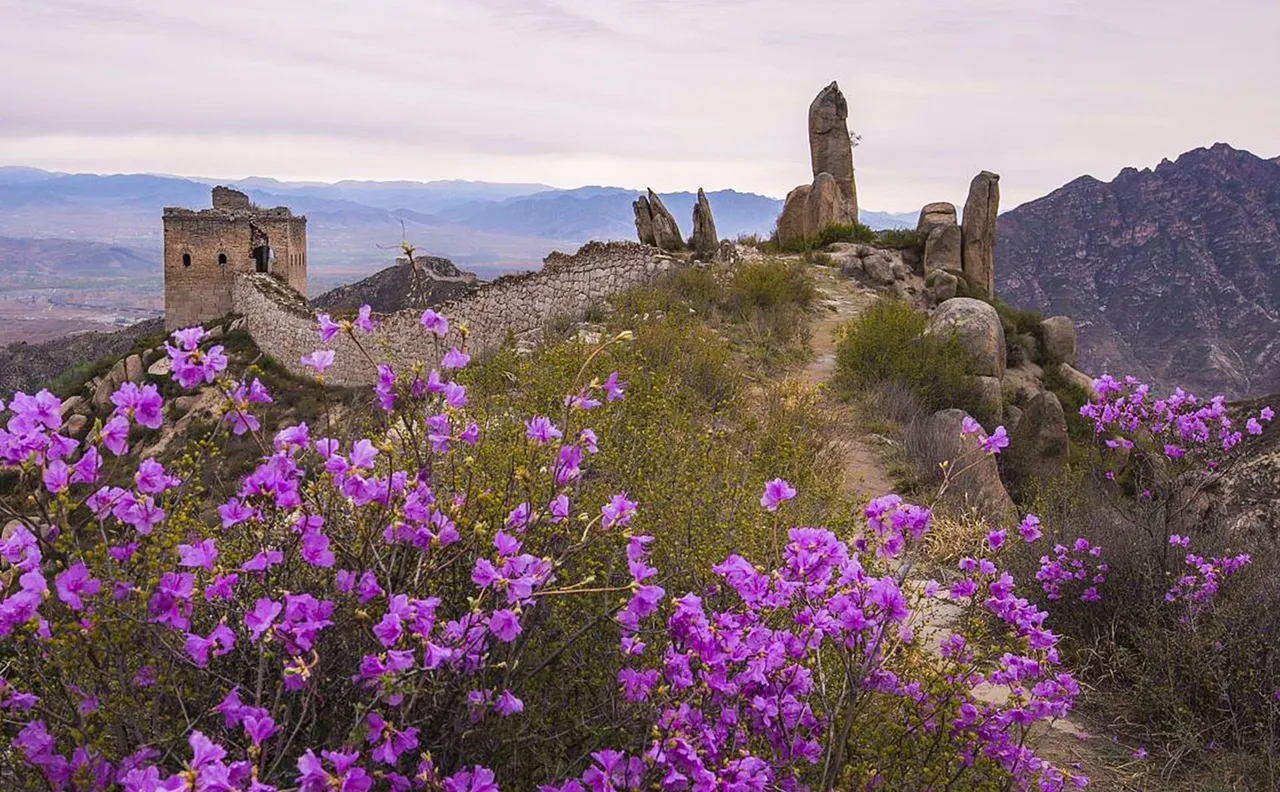
Qingchui Peak, the Sledgehammer Peak, is Chengde's strangest landmark: a narrow stone pillar, tens of meters tall and barely wider at its waist, balan
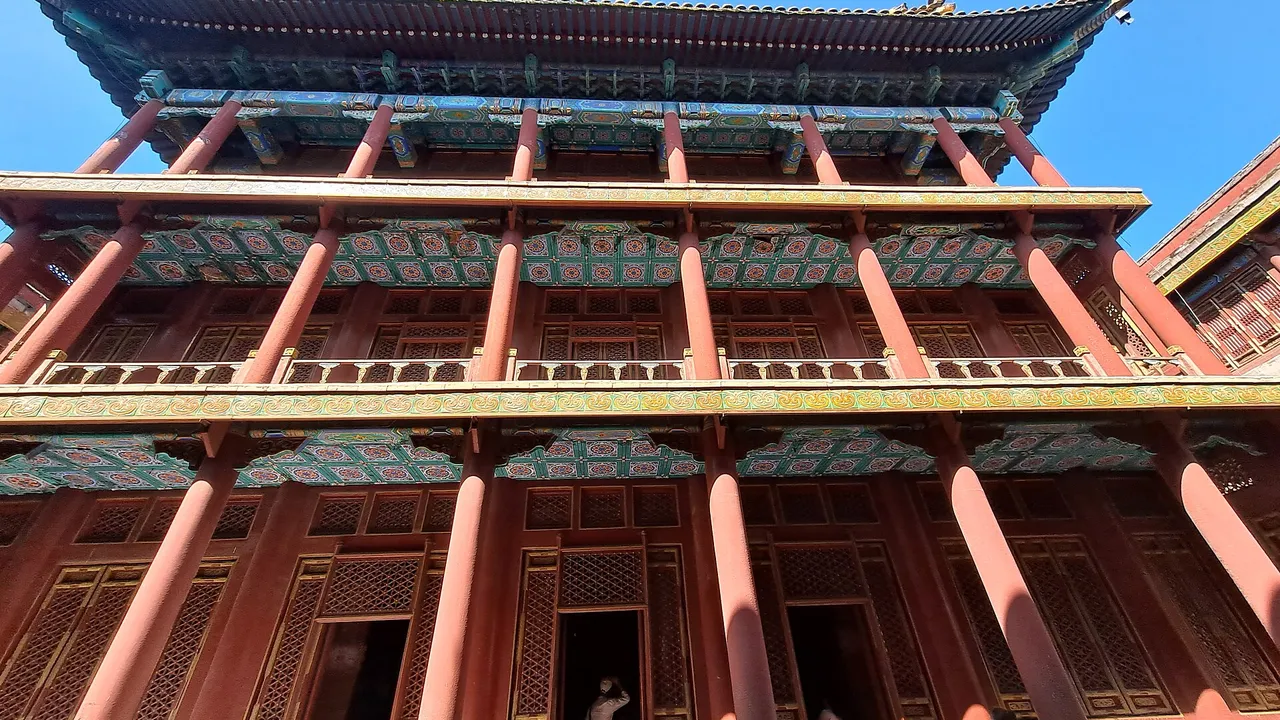
Xumi Fushou Temple is Chengde's most personal imperial monument, built in 1780 so the sixth Panchen Lama could stay and celebrate the Qianlong Emperor
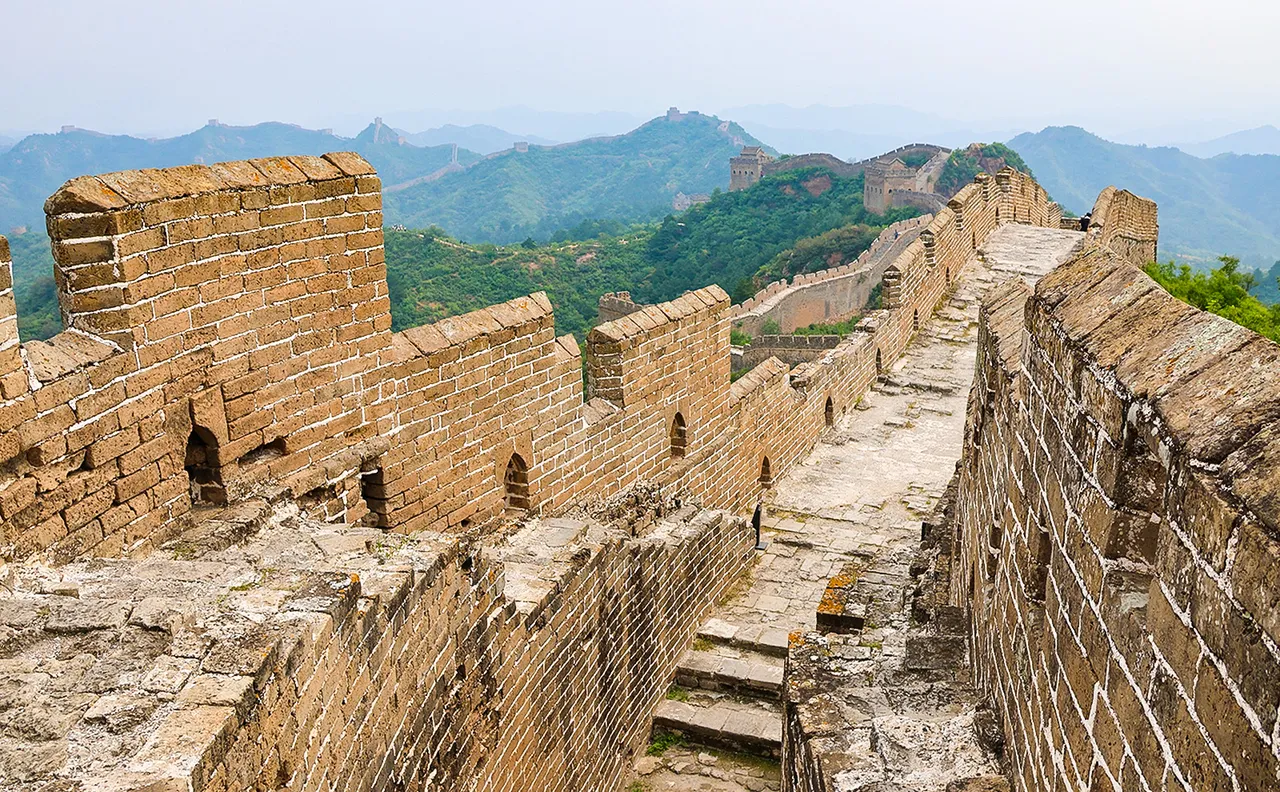
Jinshanling is the Great Wall as photographers dream it: a Ming-dynasty ridge-top wall climbing out of the mist through more than fifty watchtowers, i
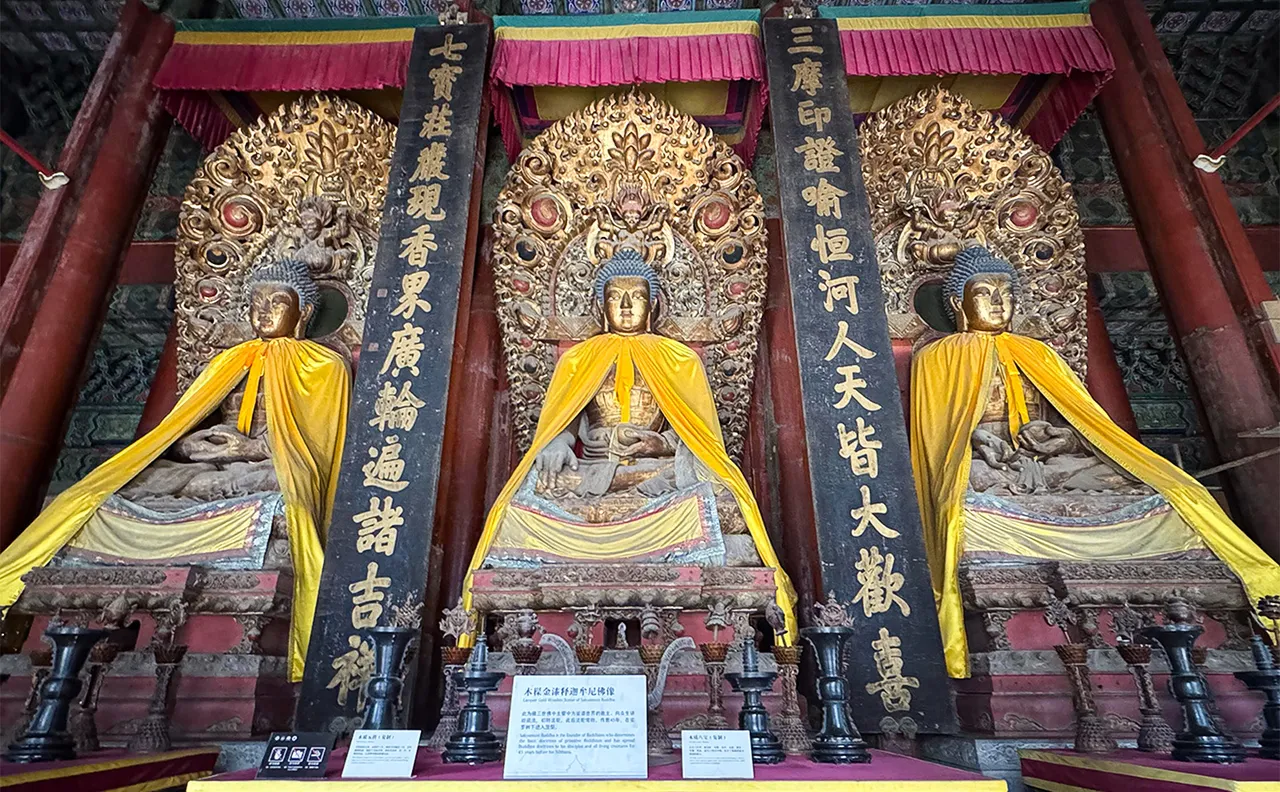
Pule Temple, the Temple of Universal Happiness, is Chengde's architectural oddball: a strictly axial Han-Buddhist front half that ends abruptly at a s
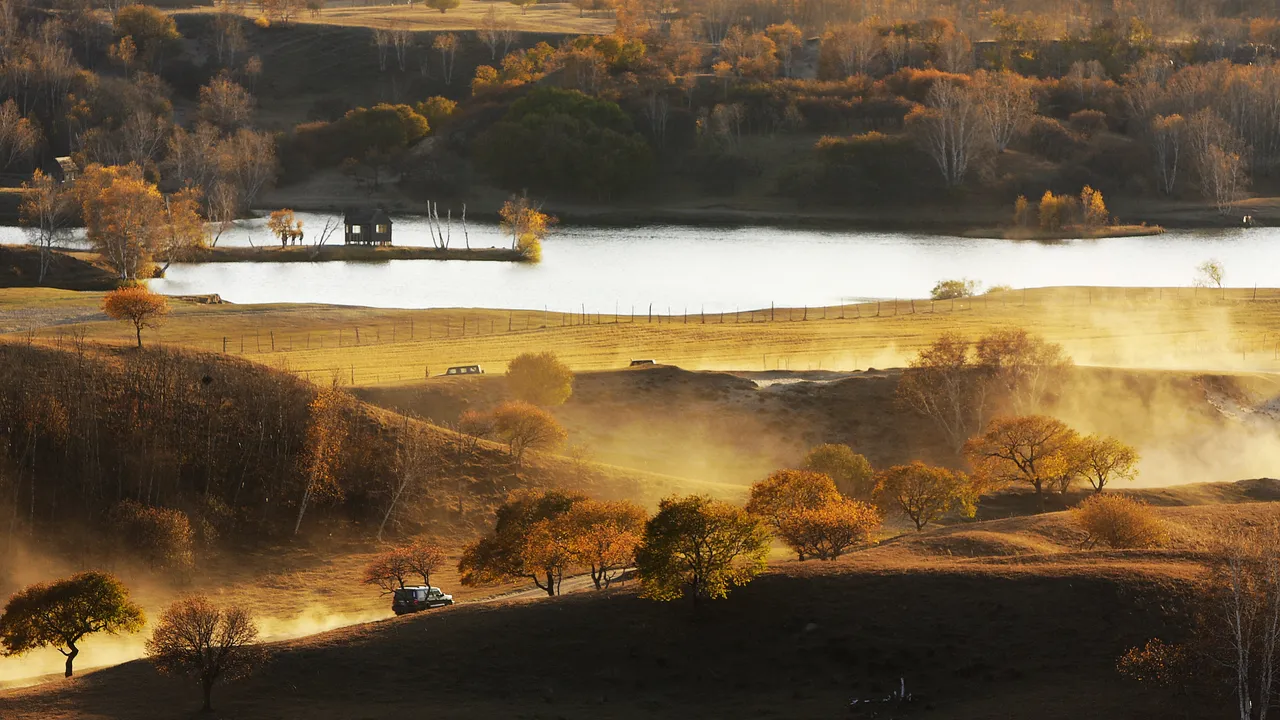
Mulan Weichang, the Mulan Hunting Grounds, is where Qing emperors drilled their cavalry among grasslands and birch forest at the edge of Inner Mongoli
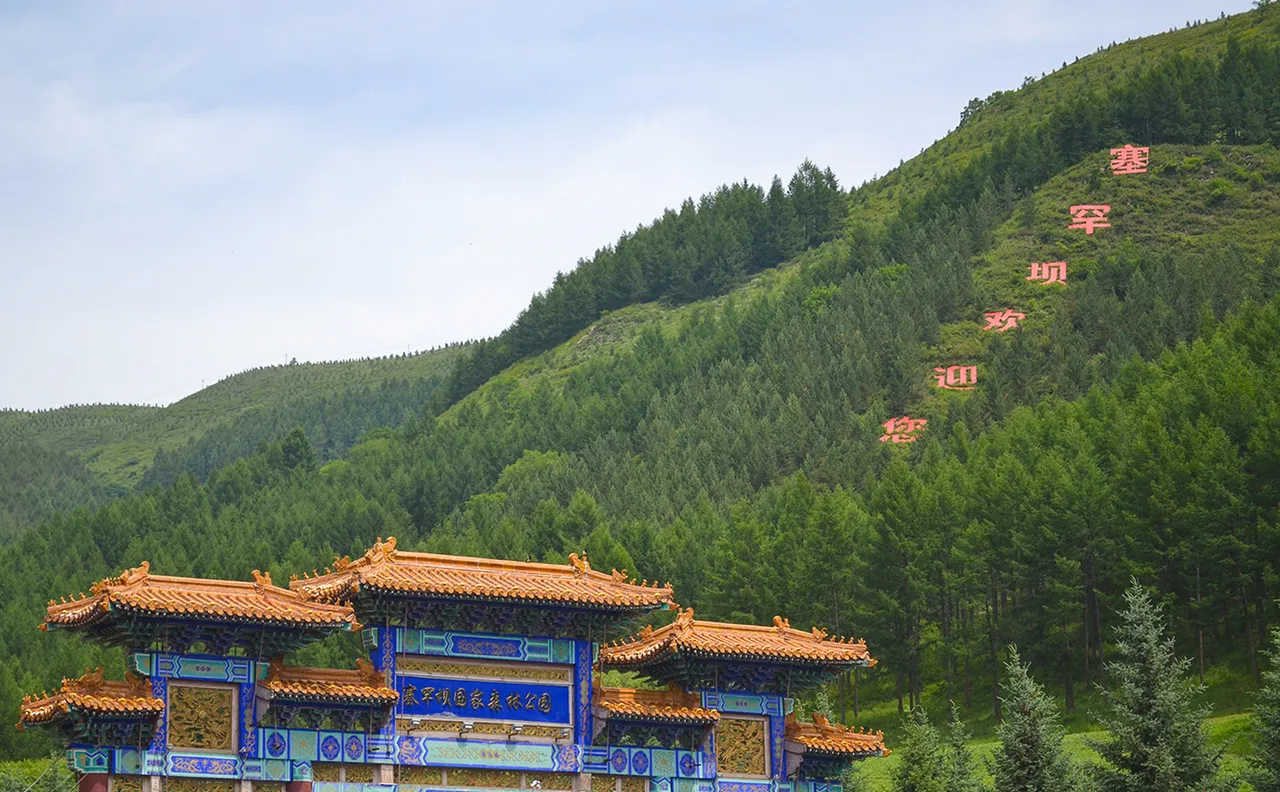
Saihanba National Forest Park is one of the world's great reforestation stories: since 1962, three generations of foresters have planted tens of thous
A little further out, for a spare half-day.
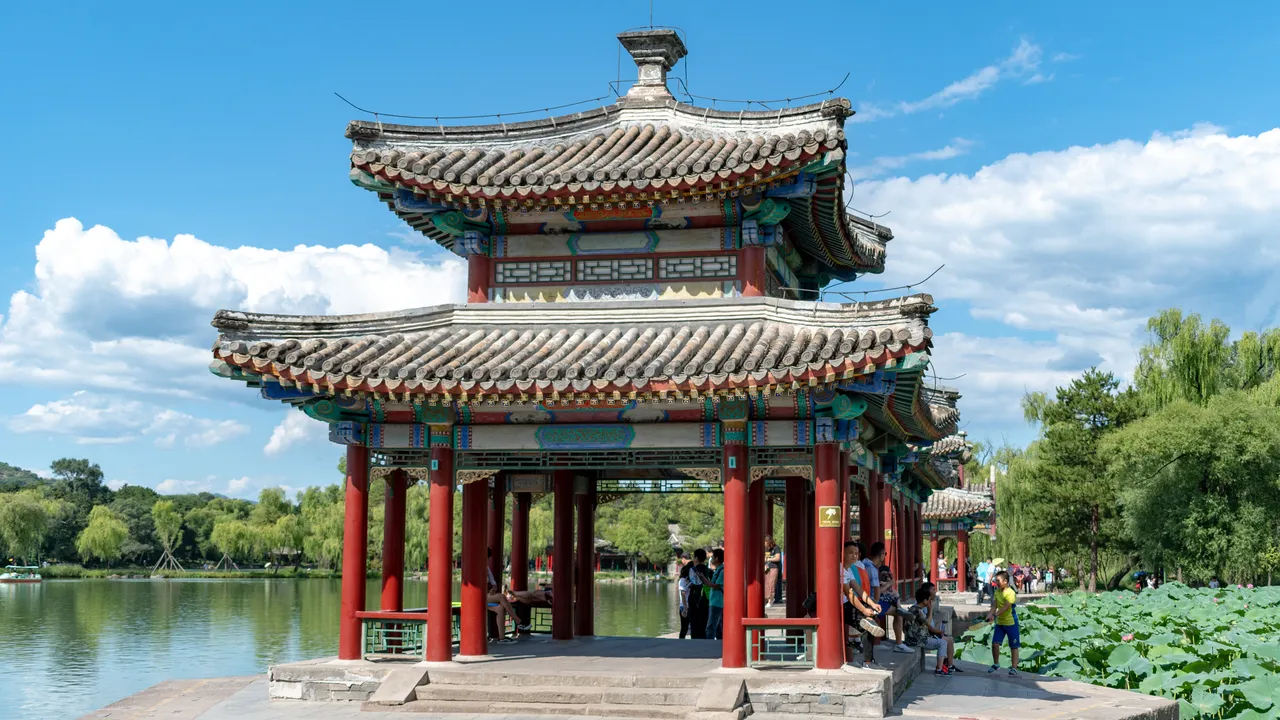
The Qing emperors' summer estate: lakes, grassland and wooded hills folded into one vast garden.
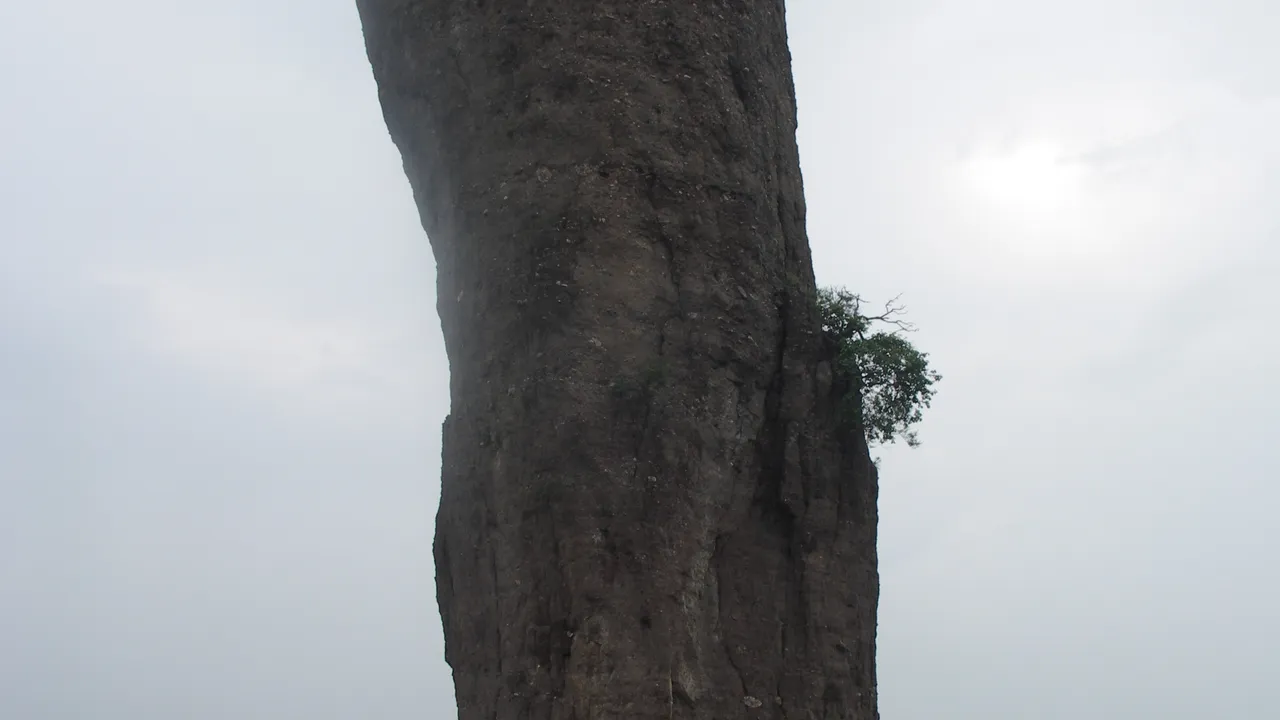
A colossal tapering rock pillar — the 'Wooden Club' — crowns the forested hills east of Chengde.
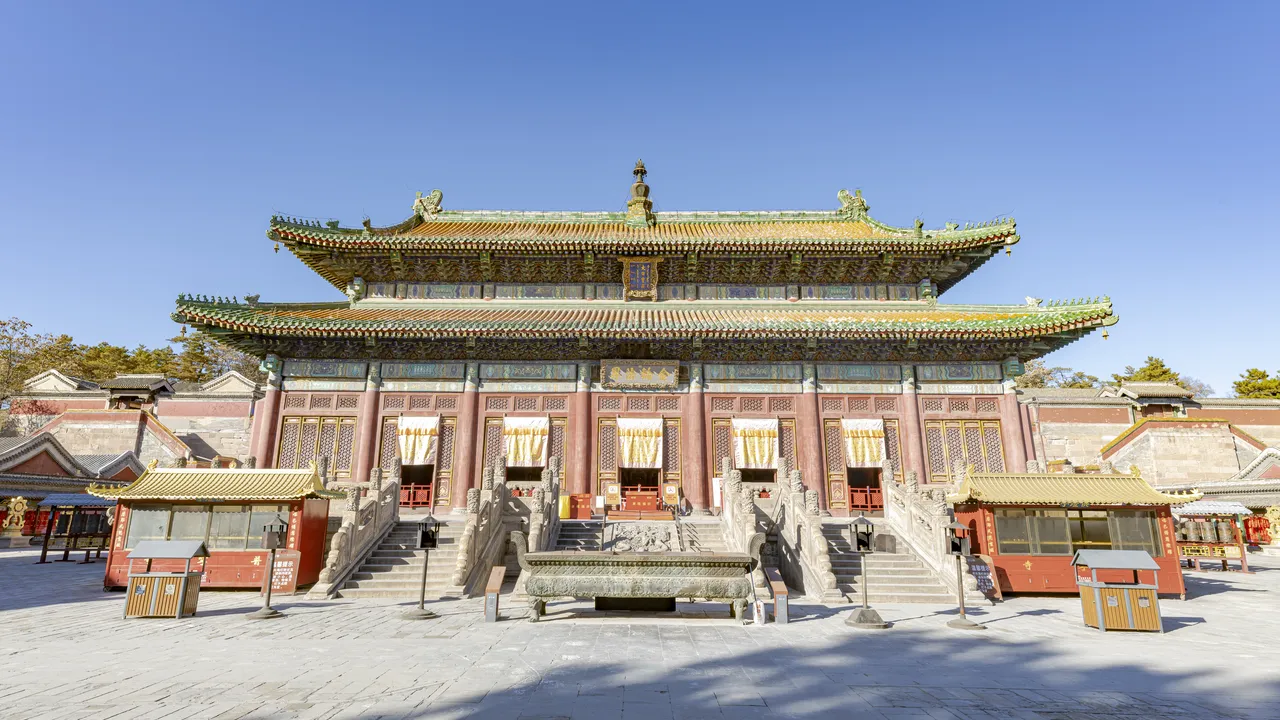
A Han-Tibetan style monastery enshrining a gilded wooden thousand-hand Guanyin nearly 28 meters tall.
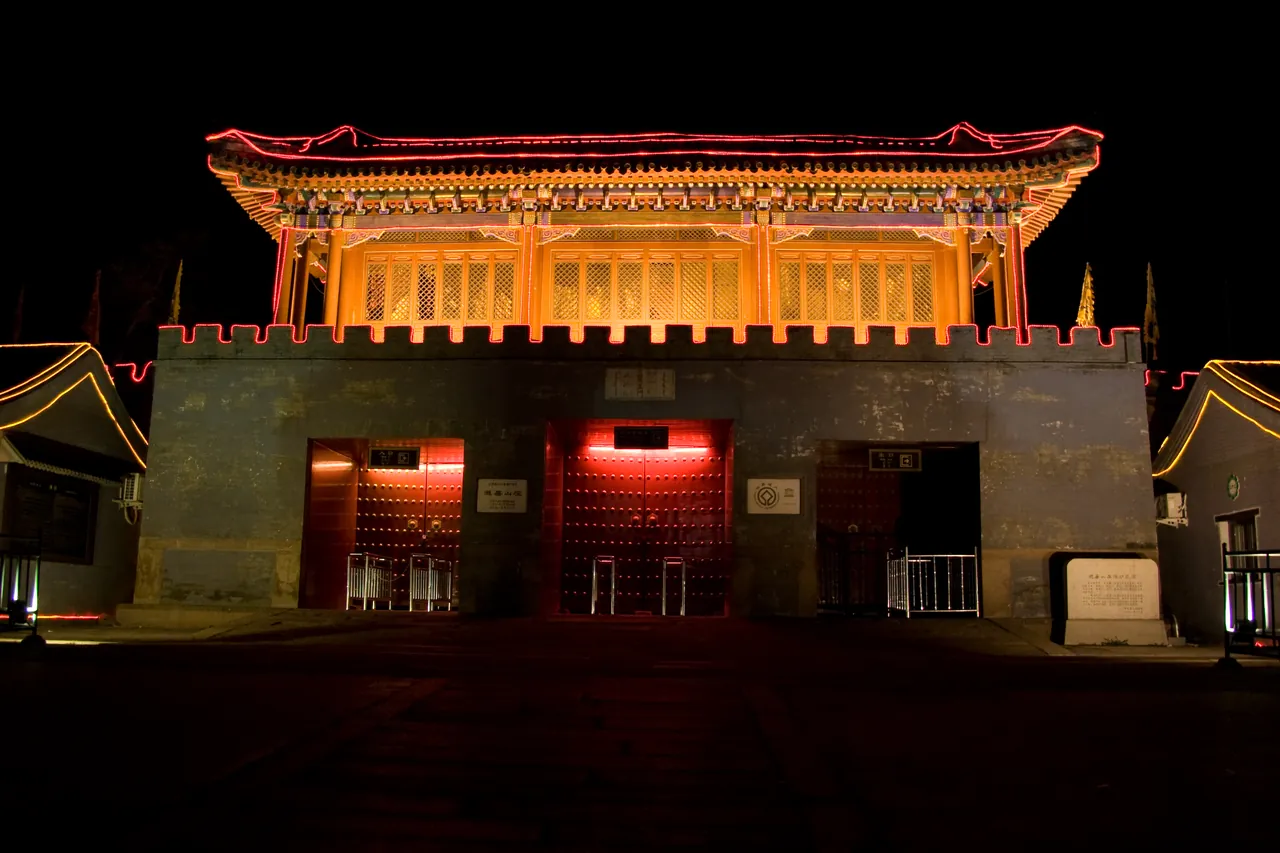
A local liquor associated with Chengde; try it with dinner.
A local dish of chicken wrapped and cooked in lotus leaves.
The temple area is calm in the evening; check access hours.
Walk along the outside of the resort as light fades.
Evenings in Chengde are quiet; local food and liquor are the main draw after the sites close.
Listed sites and the crafts that made this city famous.
Chengde's Mountain Resort, a Qing imperial garden with mountain, lake and plain zones, together with the Outlying Temples including Puning Temple, Putuo Zongcheng Temple and Xumifushou Temple.
A distinctive rock peak near Chengde, visible from parts of the Mountain Resort.
A local liquor tradition associated with Chengde.
A local cooking method using lotus leaves.
Customs around the Outer Temples; details vary by site.
Pastoral traditions in the Mulan Weichang area.
Senior licensed guides with 10+ years in the field and fluent English — deep on history, culture and local life.

Experienced licensed guides with clear English — solid on city highlights, food and day-to-day logistics.

Licensed guides with workable English — a good-value choice for city days, transfers and standard commentary.

Chauffeur-driven by the day, plus airport and intercity transfers.
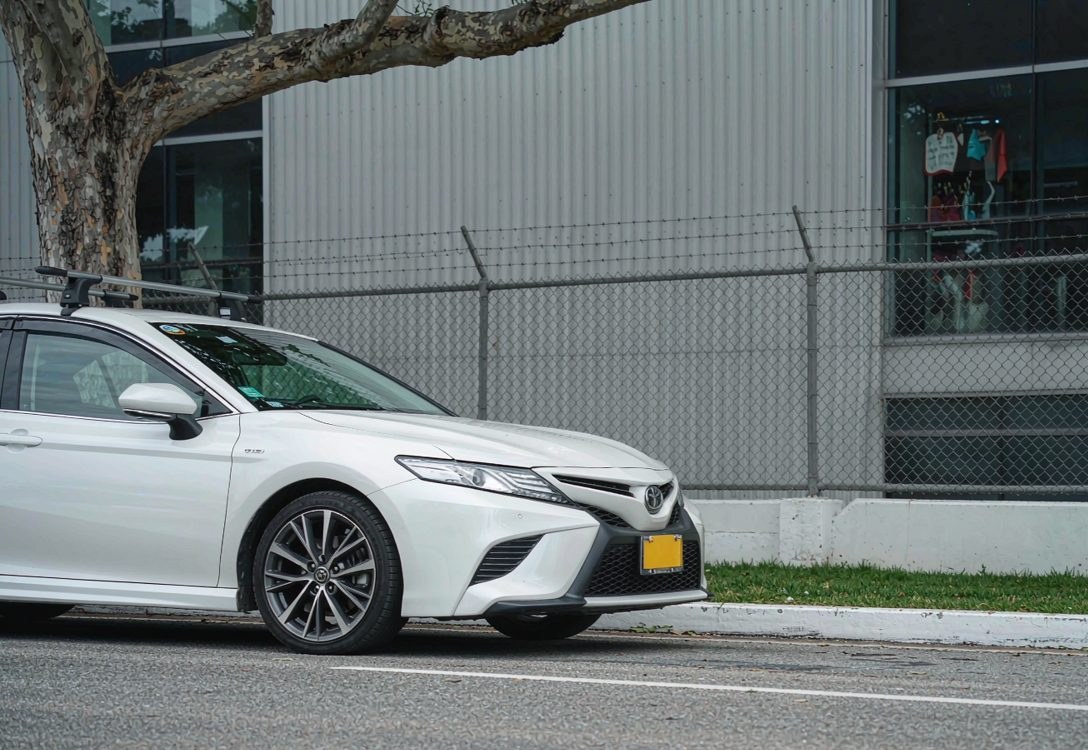

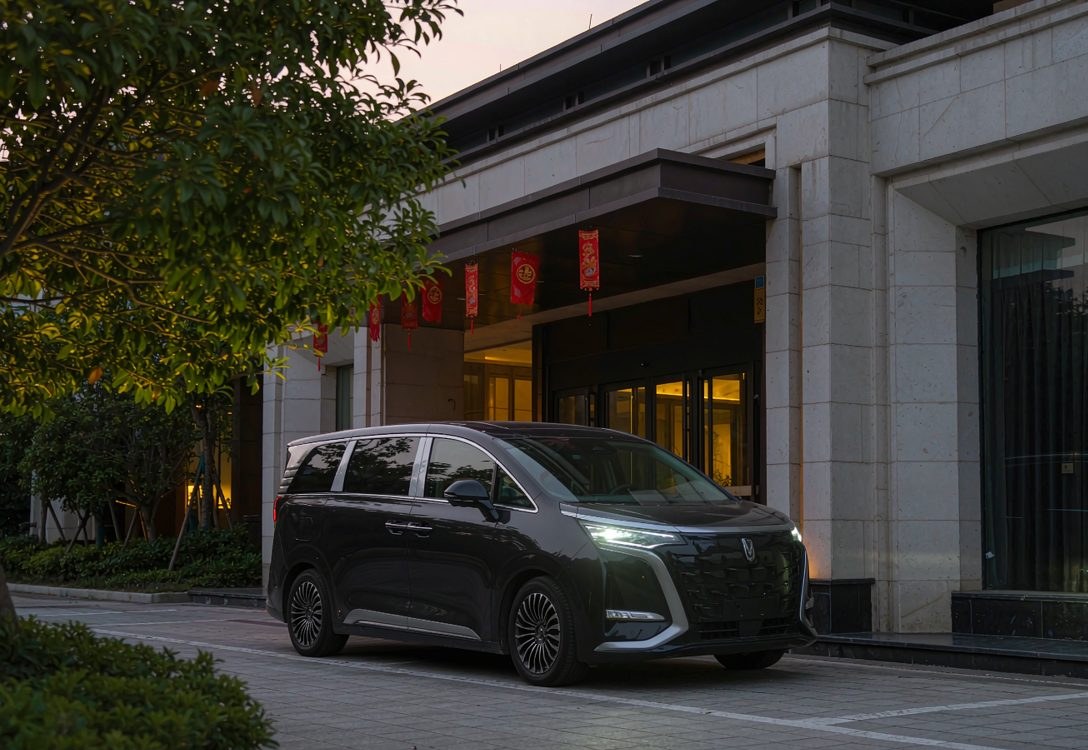
Private chauffeur-driven vehicles, priced per vehicle not per person. Airport transfer from $45; intercity transfer from $180.
10 guides split by trip length: one-day city routes, three-day escapes and longer journeys, with stops, costs and transport in each.
Enter the Mountain Resort at opening, see the great Buddha at Puning Temple by noon, cli
Three DaysThree Country Days around Chengde: Under the Wall, in the Forest Farm, on the SteppeA night beneath the Jinshanling wall, the forest farm's generational story, and horsebac
Multi-DayThree Days in Chengde: The Resort and Outer Temples as a Qing HistoryDay one takes the whole resort zone by zone, day two reads four outer temples in sequenc
Real routes, real travellers — a sense of what a trip looks like.
“Three days let us see the resort zone by zone and the main temples without rushing.”
“We checked official channels for hours; the temple area was calm in the evening.”
“Five days gave us the grassland at Mulan Weichang after the gardens and temples.”
Most travellers spend 3 days here. Add a day for a side trip if you want a slower pace.
Spring and autumn are usually the most comfortable. Check the seasonal notes above before booking.
We arrange airport/rail transfers and private drivers. Tell us your arrival point and we plan the connection.
Send an enquiry and a human expert replies within 12 hours with a draft plan and real prices. Flexible rescheduling; clear cancellation terms in your quote.
2-day private itineraries in Chengde start from $540 per person, two travelling together. Your proposal itemises hotels, tickets, guide and car — no hidden fees.
The Mountain Resort, the Eight Outer Temples (including Puning Temple, Putuo Zongcheng Temple and Xumifushou Temple), Qingchui Peak and Mulan Weichang.
One day covers the resort and two temples; three days allow a fuller visit; five days add Mulan Weichang.
Hours are not listed here; check official channels for each site.
Ticket prices are not listed here; check official channels.
Reservation rules are not listed here; check official channels before visiting.
Lotus-leaf chicken (yutu heye ji) and shanzhuang laojiu liquor.
Transport details are not listed here; check official channels.
It has mountain, lake and plain zones; plan time for each zone.
Recent listed prices: Qingchui Peak ¥15; Xumi Fushou Temple ¥60; Jinshanling Great Wall 约¥65; Pule Temple ¥30(学生/老人¥15;外八庙联票¥260); Mulan Weichang 免费. Ticket prices change seasonally — we confirm them in your quote.