
This route makes Chengde's surroundings the star: a first night in a village under the Jinshanling wall, watchtowers outside the window; over the plateau next day to read three generations of Saihan's planters, then onto the Ulan Butong steppe by evening, where the Red Mountain horse farm keeps bonfires and the Milky Way waiting; and an early third day for Princess Lake's mist, drifting home through Hama Dam's autumn.
The heart of a country route is sleeping right: farmhouses sit closer than county hotels, dinner is an honest wood-stove spread, and your host may be the one leading your horse tomorrow. A charter stays essential, the longest single leg two and a half hours, the rest rolling by in one-to-two-hour hops.
Itinerary at a glance
| Day1 · 09:00 | Jinshanling Great Wall: From Zhuanduokou to General Tower |
| Day1 · 15:00 | The Village Below the Wall: First Night in a Farmhouse |
| Day2 · 09:00 | The Saihan Exhibition and Shanghai Forest: One Generation's Answer Sheet |
| Day2 · 11:30 | The Forest-Farm Town: A Wood-Stove Lunch |
| Day2 · 14:30 | General Lake, Ulan Butong: The Steppe's First Water |
| Day2 · 18:00 | The Red Mountain Horse Farm: Bonfire, Roast Lamb and the Milky Way |
| Day3 · 07:30 | Princess Lake: Blue inside the Morning Mist |
| Day3 · 10:30 | Hama Dam: The Folds of Hill Country |
| Day3 · 14:00 | The Yudaokou Stretch Home: The Steppe Highway's Last Forty Kilometers |
The route, stop by stop
Jinshanling Great Wall: From Zhuanduokou to General Tower
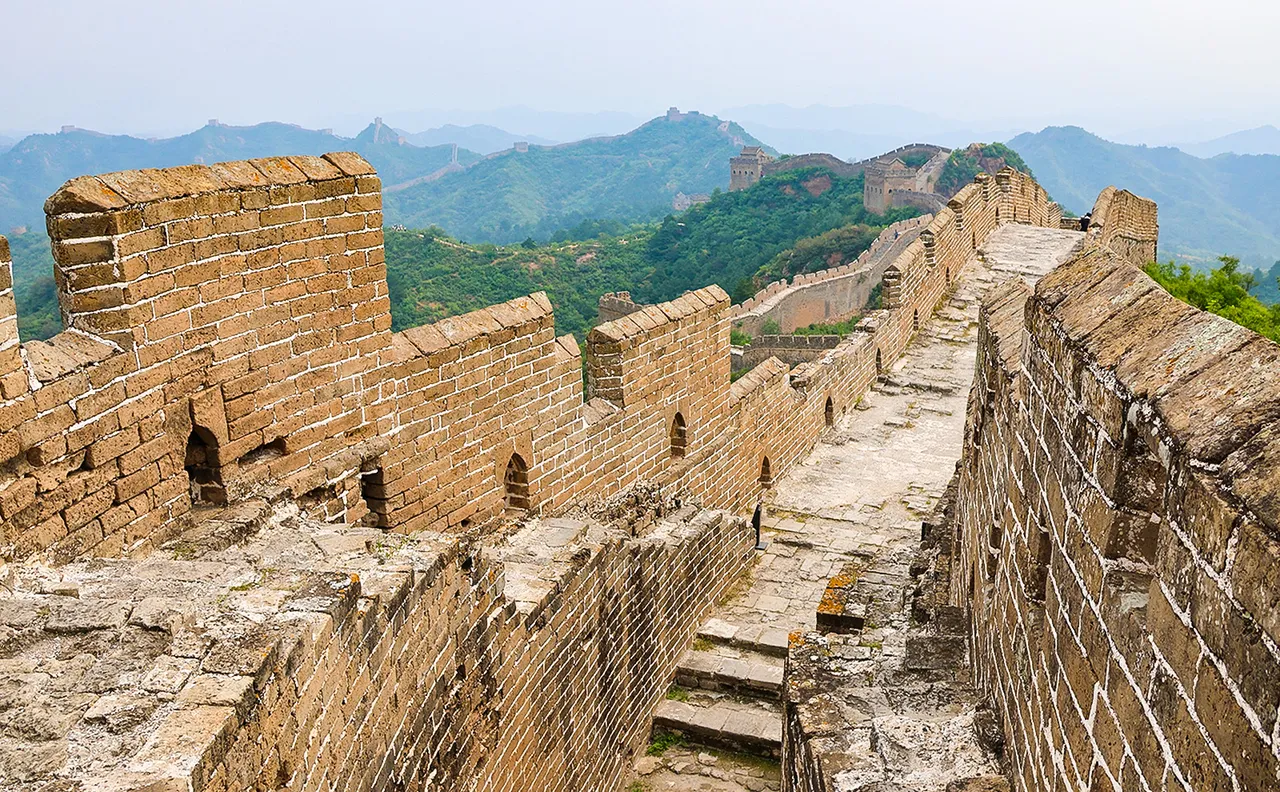
Jinshanling is shorthand for Great Wall photography: ten-plus kilometers of wall riding the ridgeline, dense with watchtowers, battle platforms and barrier walls, its Ming original fabric among the best preserved anywhere. The classic walk enters at Zhuanduokou, heading west to General Tower and the West Five-Eye, three hours round trip, wilder in grade than Badaling and far wilder in view.
Morning seas of clouds visit often, likeliest on clear mornings after rain. Unguarded stretches demand care underfoot and grippy shoes; photographers pack both wide and telephoto, since watchtower windows make nature's best frames.
The Village Below the Wall: First Night in a Farmhouse
Skip the city after the wall and sleep at a farmhouse in the foothills. Most yards here are converted family homes with kang beds or standard rooms, and dinner is the event: wood-stove chicken, griddle cakes, mountain greens with dip, home-pickled duck eggs, nearly everything grown behind the house.
Walk the village after eating, dog barks and cooking smoke an extinct soundtrack in cities. Early risers can climb the wall again at five for sunrise, and sleeping at its foot buys exactly this repeat ticket.
The Saihan Exhibition and Shanghai Forest: One Generation's Answer Sheet
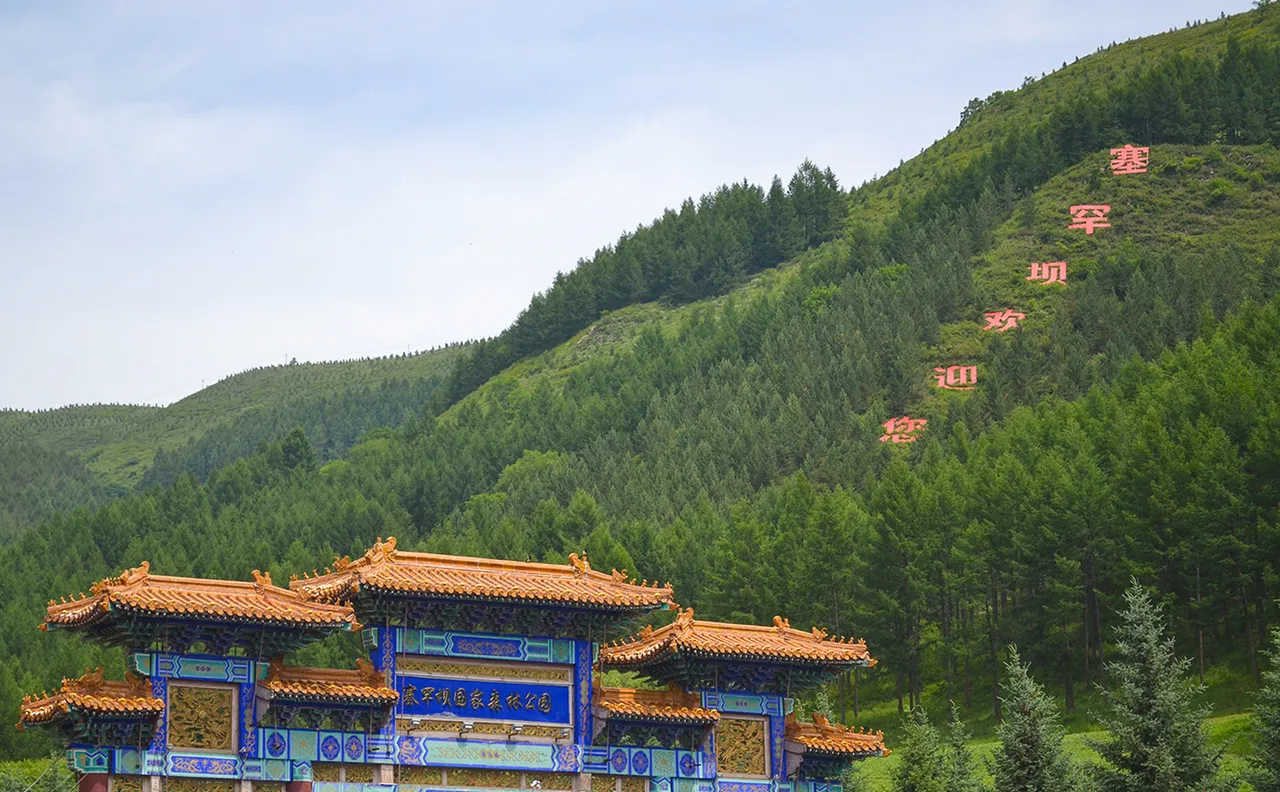
Cross the plateau on day two, starting at the forest-farm exhibition. Old photos and objects tell sixty years cleanly: three hundred sixty-nine people up the plateau in 1962, the Matikeng battle, one generation planting a desert into a forest sea. See the show first and the trees read differently after.
The Shanghai Memorial Forest holds the grave of first director Wang Shanghai, its larch the densest and straightest on the farm. At the forest's edge, listen to wind moving through crowns, the heartbeat of China's largest planted wood. Free entry, the heaviest stop of the trip.
The Forest-Farm Town: A Wood-Stove Lunch
Lunch lands in the forest-farm town. Bashang portions run double the south's, so order by one chant, one stew, one noodle, one mushroom: iron-pot stew, oat or buckwheat noodles, dried mushrooms fried or in soup. Pressed for time, oat nests with mutton-mushroom gravy finish the job in fifteen minutes.
Restock after eating: sun protection, snacks, water, since supply points thin out deeper into the steppe. Top the tank in passing, fuel pricing higher toward Ulan Butong.
General Lake, Ulan Butong: The Steppe's First Water
Entering Ulan Butong, General Lake comes first. Legend says Kangxi-era cannon fire burst a spring into this water; today it is the steppe's most famous mirror, clouds doubled on calm days and horse herds skimming the rim, a shutter that refuses rest. The marsh forbids blundering; keep to boardwalks and marked lookouts.
Afternoon light gilds the meadow, and this ground has hosted famous period dramas; standing lakeside, the directors' reasons explain themselves.
The Red Mountain Horse Farm: Bonfire, Roast Lamb and the Milky Way
The night's camp sits in the herding guesthouses around the Red Mountain horse farm. Whole roast lamb or a roast leg carries the ritual, and the carving ceremony welcomes either joining or watching; bonfires follow dinner, the steppe night busier than you'd guess. After ten the crowd drains and the Milky Way takes over, light pollution near zero, the star band crossing the zenith naked-eye.
Sleep in a herder's standard room or a yurt, the yurt's romance and drafts arriving together, so cold-sleepers pick rooms. Nights touch single digits; no down jacket is excessive.
Princess Lake: Blue inside the Morning Mist
Rising early for Princess Lake is the route's worthiest sacrifice. Legend says Princess Lanqi wept here on her northward marriage journey, her tears pooling into the lake. Mist climbs off the water, birch reflections ghosting in and out, and the hour around sunrise carries the whole day's photographic gold.
Boardwalks reach several decks, the money shot on the high point looking down on lake and fog. When the crowds are absent, the quiet lets you hear dew falling from leaf tips.
Hama Dam: The Folds of Hill Country
Hama Dam spent years as photographers' private stock: hills cut by gullies, birch, grass and plowland piecing irregular color blocks, an unfinished oil painting from the decks. Autumn owns it, late September into early October stacking gold and flame through the ravines.
Herders' seasonal drives pass through, and parking to wait as sheep flood the road is this stop's best improvised show. Shoot and turn home, three country days closing inside the steppe's folds.
The Yudaokou Stretch Home: The Steppe Highway's Last Forty Kilometers
The drive home crosses Yudaokou, this grassland highway the trip's free finale: rolling pasture and wind turbines flanking the road, cloud shadows pushed across the slopes by afternoon light. Ask the driver to stop at any good angle; scenery this fine charges nothing and offers no second take.
By evening you are back in Chengde for a hot old-town dinner, one noodle bowl closing three days of wood-smoke and lamb. Tomorrow's train or drive starts unhurried, the heaviest luggage being memory cards.
| Getting around |
|
| Budget | Farmhouse lodging runs RMB 150-300 a night, the two-day charter RMB 400-600 pp, riding extra; the whole trip about RMB 1300-1900. |
| Best time | May-Jun and Sep-Oct fit best, spring blossoms and autumn birch; steppe activities shine in summer, and wall walks should dodge noon. |
FAQs
Where should the three nights logically fall?
Night one at a Jinshanling farmhouse, night two at a Ulan Butong herding guesthouse or the horse-farm town, the smoothest pairing that avoids night crossings of the plateau. Dropping Jinshanling, shift to a first night in Chengde town and a second in the Saihan forest-farm town, compressing the steppe into one day.
How do I choose horse riding and avoid the traps?
Ride only crews with posted prices, settling laps or hours before mounting; refuse unsolicited free trials that end as photo fees. Wear long trousers and stiff soles, mount and dismount on the handler's word, and never ride deep steppe solo, stay with the string.
Jinshanling or Badaling if choosing one?
By taste: Badaling offers full facilities and easy access for first visits, seniors and children; Jinshanling keeps its original fabric, thinner crowds and denser watchtowers, beating Badaling for photography and hiking alike. This country route defaults to Jinshanling precisely because you can sleep beneath it.
What should autumn travelers on this line watch for?
Three things: late-September plateau mornings can touch freezing, bring down and fleece; the fire-prevention season bans open flame in zones and may cancel bonfires, so confirm before booking; and over the October holiday both plateau roads and room rates swing, so avoid the October one-to-three peak if possible.