
Most visitors see only the resort and the outer temples, but the city's frame lives outside those walls: the Rehe River runs north to south, the old town spreads along the valley, and Qing and Republican layers stack street by street. This route buys no tickets and reads the town on foot with buses filling the gaps.
The pace is deliberately slow. The morning at the Chengde Museum untangles the early Qing and the story of Rehe, footnotes for everything after. Lunch sits between the Confucian temple and the old lanes, and at dusk the greenway outside the resort wall leads to the river, where Sledgehammer Peak stands exactly where locals see it every day.
Itinerary at a glance
| 09:00 | Chengde Museum: Reading Rehe First |
| 11:00 | Rehe Confucian Temple: Old Town's Scholarly Note |
| 13:00 | Erxianju Old Streets: An Unhurried Local Lunch |
| 15:30 | Outside the Wall and Along the Rehe River: Saving Dusk for Walking |
The route, stop by stop
Chengde Museum: Reading Rehe First
Starting at the museum is the route's core logic. Its central exhibition reads the politics behind the resort and the outer temples: the autumn hunts at Mulan, the courtship of the Mongol banners, the Dolon meeting, how one garden became an empire's second political capital. With that layer absorbed, every temple and wall you pass afterward stops being mere scenery.
The galleries also hold local excavated artifacts and the memory of Rehe Province, tracing how Chengde shrank from summer capital to small town after the province was dissolved in the Republican era. Two hours does it, three if you linger.
Rehe Confucian Temple: Old Town's Scholarly Note
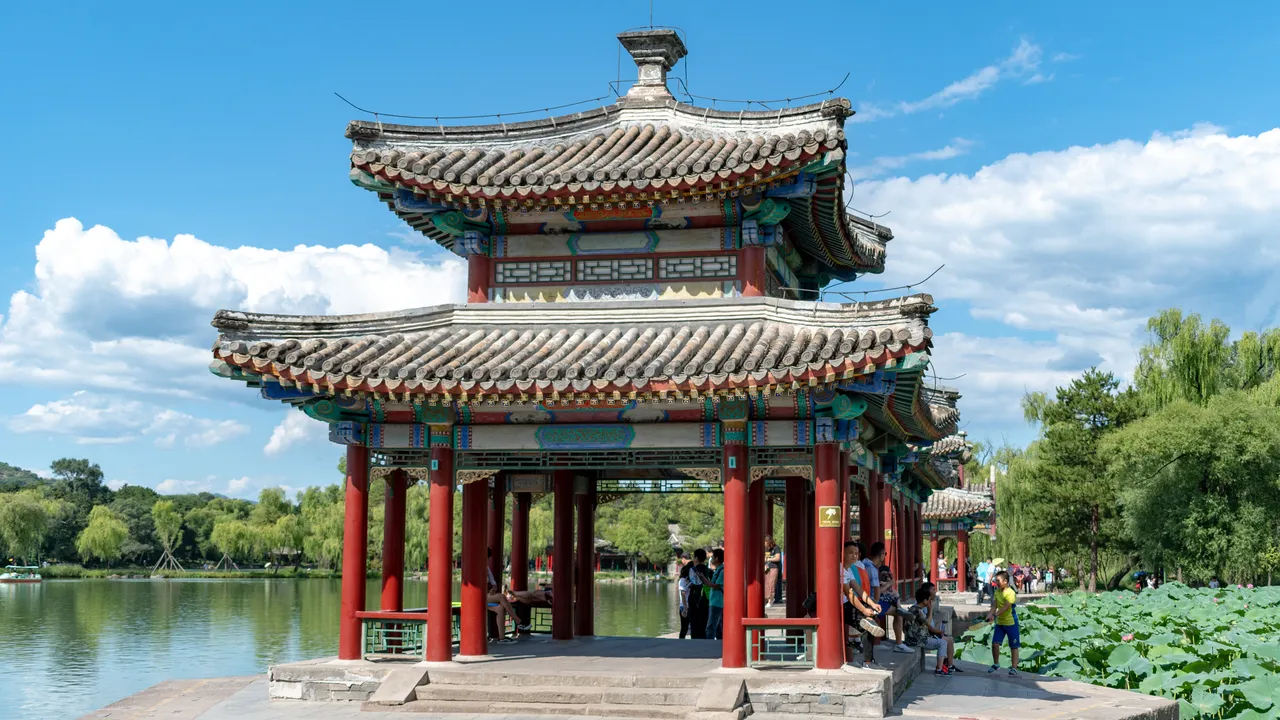
Ten minutes by bus or taxi from the museum sits the Rehe Confucian Temple, the official temple of learning for Qing-era Rehe, completed under Qianlong. Its Dacheng Hall carries a rank unusual for a frontier town; as a temple-school compound it processed every candidate sitting the county exams.
Foot traffic here is a fraction of the outer temples, the courtyards quiet, cypress shade falling across yellow glazed tiles. Architecture fans should study the bracket sets of the Lingxing Gate and Dacheng Hall, history fans the imperially inscribed steles in the pavilions. Half an hour to an hour, and lunch hour arrives on exit.
Erxianju Old Streets: An Unhurried Local Lunch
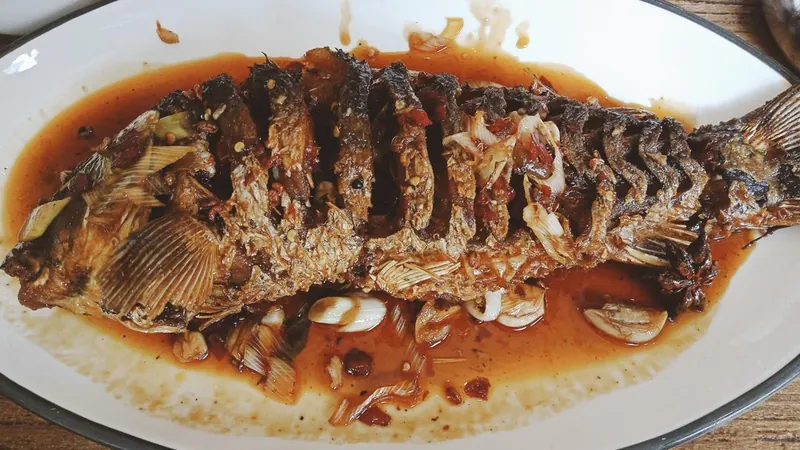
Erxianju is the market heart of the old town, named for a tiny shrine and now where locals shop and eat. The lunch play: a bowl of boyumian buckwheat noodles or hele noodles as the base, plus a portion of erxianju wantuo, a buckwheat jelly cut into triangles and dressed with sesame paste and garlic, a few yuan a plate and a childhood taste for old-town locals.
Follow with a fresh cup of almond tea or a can of local almond milk, Chengde's almond trade having grown in these very valleys. Half the storefronts sell dried mountain goods, the other half breakfast snacks, and the morning pancake carts mostly still stand; buy one hot and eat walking.
Outside the Wall and Along the Rehe River: Saving Dusk for Walking
The afternoon belongs to walking. Head northeast along the greenway outside the resort's wall, tiger-stone masonry running section by section with the plain zone's Ten Thousand Tree Park just inside. This outside-the-wall path is the townspeople's main exercise artery, busiest at dusk with dog walkers, diabolo spinners and whole families with strollers.
At the Rehe River the view opens: Sledgehammer Peak standing complete in the dusk across the water, the river breathing cool air. The riverside path reaches the bridge right at sunset, and in summer locals wade the shallows. Allow an hour and a half; bus stops line the way, so you can hop on and end the day whenever legs say so.
| Getting around |
|
| Budget | Built on free venues and street-level spending, about RMB 100-200 pp including two meals and town transport. |
| Best time | Year-round, best in spring and autumn; the museum closes Mondays, while the temple and market stay open, so the route can flip. |
FAQs
Is Chengde worth visiting without entering the Mountain Resort?
Yes, but mainly for travelers who have already seen the resort or day-trippers on a tight budget. The museum explains Chengde's story more carefully than most city-level museums, and the temple, old streets and riverbank are the town's living daily scene; you may leave understanding Chengde better than any box-ticking route allows.
How do I book the Chengde Museum, and does the Monday closure matter?
Book via the official account or register on site with ID; weekend mornings fill first in season, so book a day ahead. The Monday closure hardly matters: shift the temple and old streets to Monday and slot the museum onto any other day, since this route's stops unbolt and reorder freely.
Does this route suit seniors or small children?
Very: no staircase tests, no climbs, and benches in both museum and temple. Erxianju snacks suit older palates and children love the river shallows. The one watch-point is the midday shop-closing lull with little shade in the old town, so in summer spend noon inside the museum.
Is this route too bleak in winter?
Quite the opposite: winter is the old town's good season, with the fewest visitors, a warm museum, the Confucian temple at its best under snow, and the half-frozen river before Sledgehammer Peak a local photographer's favorite. Two cautions: wear slip-resistant shoes against riverside wind, and note snack stalls close early in winter, so lunch before two.