
Chengde's flavor stacks two geographies: the Yan Mountains to the south supply mountain mushrooms, almonds and free-range chicken, the Bashang grasslands to the north supply hand-held mutton and oat noodles, and the Qing court added imports from inside the wall, the fresh rose paste being a palace pastry. Eating all three layers on the local meal clock is the right way in.
The route costs little effort: the morning market in the old town, a proper sit-down lunch at a local restaurant, back to Erxianju to digest, then grassland flavors near the resort at night. Walking plus buses, under five kilometers; your stomach is the only constraint. Portions here are generous, so order small as discipline.
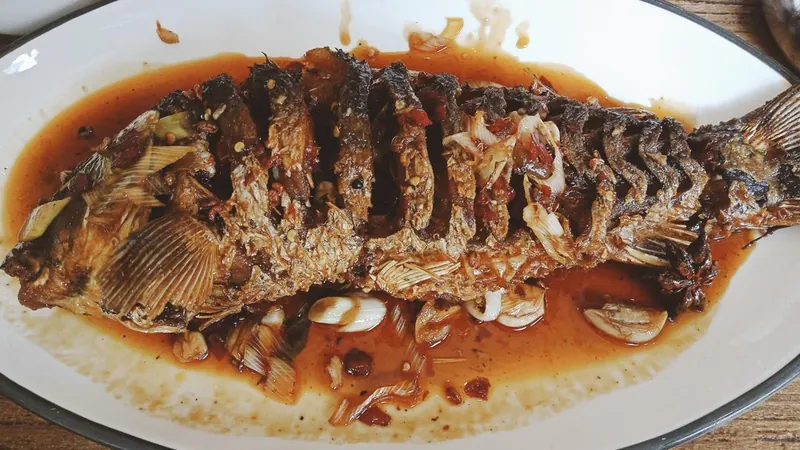
Itinerary at a glance
| 07:30 | Old-Town Morning Market: Pingquan Mutton Soup and Crackle-Baked Flatbread |
| 12:00 | The Proper Lunch: Imperial Lotus-Leaf Chicken and Steam-Pot Game |
| 15:30 | Erxianju Afternoon: Wantuo, Rose Pastes and Almond Tea |
| 18:30 | The Grassland Close: Hand-Held Mutton and Oat Noodles |
The route, stop by stop
Old-Town Morning Market: Pingquan Mutton Soup and Crackle-Baked Flatbread
Chengde starts inside a bowl of mutton soup. Pingquan soup, an old recipe from the neighboring county, simmers bones in a master broth and flash-blanches hand-sliced meat, finished with cilantro and chili, clear and without gaminess. The local pairing is one bowl plus a ganglu flatbread, kiln-baked with a crackling shell and layered crumb, torn into the soup as the standard move.
The market's rule is eat hot, standing: pots open at six thirty, the commuter wave lands around seven thirty, and famous stalls start closing their broth after nine. Drink the first bowl plain before adding chili, and if your stomach is tender ask for extra white pepper, warming without burn.
The Proper Lunch: Imperial Lotus-Leaf Chicken and Steam-Pot Game
Noon calls for a seated proper lunch of Chengde local cooking. The headliner is imperial lotus-leaf chicken, a whole bird slow-braised wrapped in lotus leaf, the leaf perfume married to chicken fat, the flesh falling off bone. Steam-pot game cooks mountain mushrooms and poultry in an earthenware steam pot, the broth condensed purely from vapor, pure upland freshness. Add fern shoots or Bashang oat noodles, and mountain meets grassland on one table.
Old-town and resort-side local restaurants both work. Order by the rule of one chicken, one fungus, one noodle: lotus-leaf chicken, mountain mushrooms or the steam pot, oat or boyu noodles, enough for two or three. Portions run big, so start small and add when tempted.
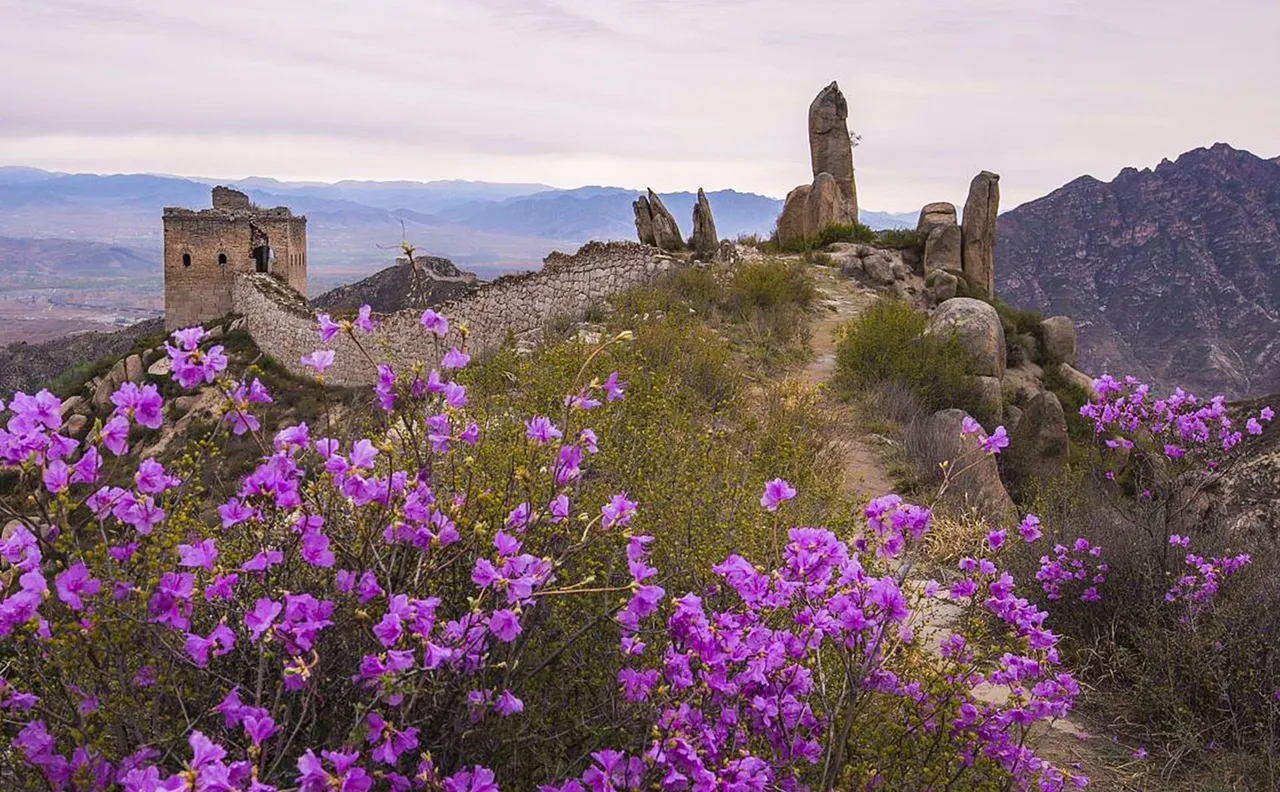
Erxianju Afternoon: Wantuo, Rose Pastes and Almond Tea
Three o'clock is digestion hour and the old town's snack stalls' second shift. Erxianju wantuo steams buckwheat batter into a jelly, cut in triangles under sesame paste, garlic juice and chili oil, a texture between liangfen and cake. Next door, fresh rose pastes come hot from the oven, filled with rose jam from local valley flowers, crust shedding flakes, the folk descendant of a palace pastry.
This is an opening act by nature: half portions each, closing with almond tea or freshly pressed almond milk to wash the day's oil down. Buy road provisions while passing, since vacuum-packed rose pastes keep for days and beat the gift boxes at the scenic gates on value.
The Grassland Close: Hand-Held Mutton and Oat Noodles
The evening market goes to Bashang flavors. Hand-held mutton boils big cuts in plain water, dipped only in chive-flower sauce and brine, letting the meat's own sweetness speak. Pair a steamer of oat-noodle nests with mutton and mushroom gravy, the chew of the oats completing the gravy's depth. Add roast ribs for a crowd, or a bowl of mutton offal soup to fill the seams for two.
Grassland-style kitchens cluster around the resort and the old town, busiest after seven. Afterward walk a stretch outside the resort wall to settle the meal, Rehe's cool air the best table drink; three layers of flavor close the day, mountain, grassland and court, all banked.
| Getting around |
|
| Budget | A full day of snacks plus proper meals runs about RMB 120-220 pp; even a maximal version tops out just over RMB 300. |
| Best time | Year-round; soup stalls thin out after 9 am while grassland-style kitchens peak after 7 pm, so time both ends. |
FAQs
Can one person finish this whole eating route?
Yes, under small-portion discipline: one soup, two of three lunch dishes, half a wantuo and half a rose paste, half a jin of mutton at night. Portions here run large, and clean-plate heroics kill the final stop. Keep a third of your capacity in reserve at every sitting.
What substitutes exist for travelers who avoid mutton?
Substitutes are ample: swap morning soup for douhua with the crackle flatbread; the lotus-leaf chicken, steam-pot mushrooms and oat noodles contain no mutton; and grassland kitchens also serve wood-fire chicken with mountain mushrooms and roast potatoes. Almond tea, rose pastes and wantuo are all mutton-free, so the route can avoid lamb entirely.
Which local products are worth carrying home?
Three classes: fresh or vacuum-packed rose pastes from the day's batch; canned almond milk and powder from the big local brands at stable supermarket prices; and dried mushrooms, fern and hazelnuts from mountain-goods shops, which keep well in dry weather. Skip loose gift boxes at scenic gates, since the same goods run about thirty percent cheaper in old-town supermarkets and markets.
What should sensitive stomachs watch for?
Three things: nothing iced with the first morning bowl, order almond tea hot; make sure the mutton is cooked through and pile minced garlic into the dip; and keep oat noodles moderate at night, coarse grains fill but also tax digestion. Pack standard stomach remedies; the line's oil and chili level runs far below Sichuan-Hunan cooking, yet three consecutive hearty meals still deserve a buffer.