
Datong peaked twice: the Northern Wei age of Pingcheng and the Liao-Jin age of the Western Capital. This route gives each half a day: the museum's Northern Wei processional figures and Silk Road relics in the morning, then back above ground to read Liao-Jin architecture through two temples in pairs.
The day's keywords are closure days and free entry. The museum is free but closes Mondays and books via the official account; the temples charge little or nothing and run toward dusk. Order by booking difficulty and nothing jams.
Itinerary at a glance
| 09:00 | Datong Museum: The Underground Army of the Pingcheng Era |
| 13:30 | Huayan Temple: Reading Liao-Jin Architecture from the Great Halls |
| 16:00 | Shanhua Temple: The Measuring Stick of Liao-Jin Dating |
| 17:30 | Fahua Temple: Dusk beneath the White Stupa |
The route, stop by stop
Datong Museum: The Underground Army of the Pingcheng Era
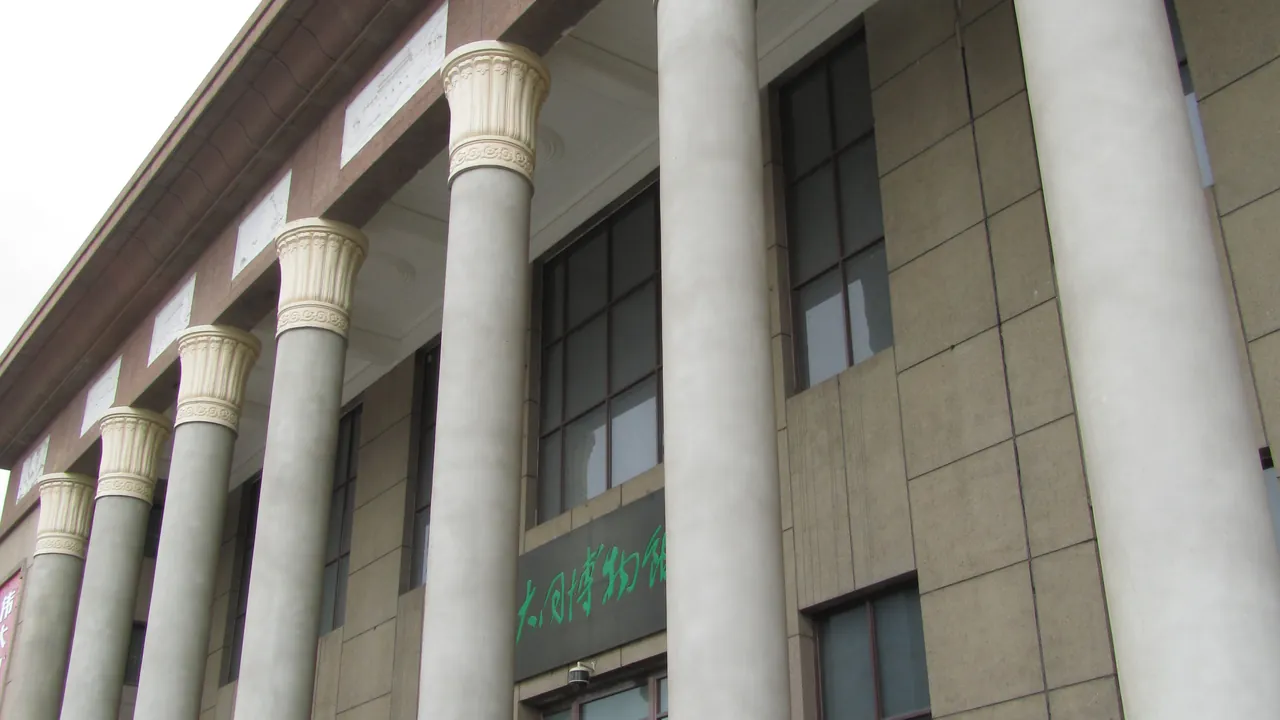
Enter at opening. Datong served nearly a century as the Northern Wei capital, and the museum's Pingcheng galleries form its core: hundreds of tomb figures from the Sima Jinlong burial array into a full processional line of cavalry, bands and infantry, an army to rival any imperial tomb.
The Silk Road cases match it: Persian silver coins, foreign-figure pottery and glassware prove Pingcheng ranked among East Asia's great cosmopolitan capitals. Two hours covers the museum, Pingcheng first, then the Liao-Jin-Yuan units.
Huayan Temple: Reading Liao-Jin Architecture from the Great Halls
In the afternoon return to the old town's west side and treat Huayan as an architecture seminar. The upper Daxiongbao hall runs nine bays wide, among the largest surviving Liao-Jin Buddha halls, its reduced-column plan opening a space no timber building should manage.
The lower Bhagavat Sutra Repository is original Liao work, its wall of celestial pavilions the piece Liang Sicheng called unique under heaven, sharing the hall with the palm-together smiling bodhisattva. Architecture fans read the trusses, everyone else reads the figure and murals, and the two lines never collide.
Shanhua Temple: The Measuring Stick of Liao-Jin Dating
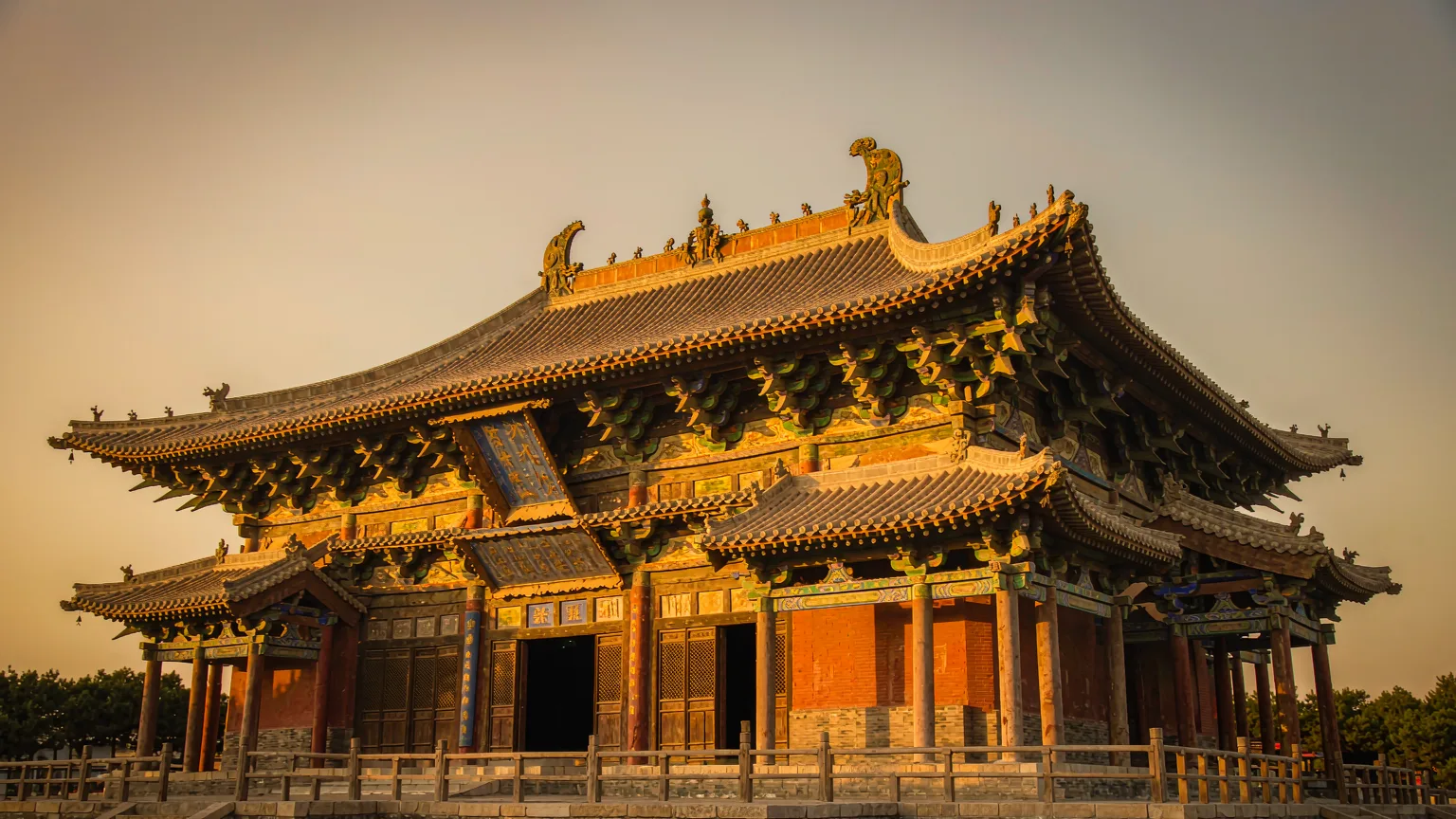
Twenty minutes on foot from Huayan, reach Shanhua in the south. This free Liao-Jin compound keeps four principal buildings, gate hall, Three Sages hall, Puxi pavilion and the great hall, staging Liao frames and Jin roofs in phases across one yard, a standing case study in every architecture survey.
The twenty-four heavenly attendants in the great hall set against Huayan's bodhisattva: one solemn, one vivid, the two faces of Liao-Jin sculpture in a single sitting. Evening light rakes in from the west doors and sharpens every drapery fold.
Fahua Temple: Dusk beneath the White Stupa
Give the day's last half hour to Fahua Temple on the old town's northeast. The dome-shaped white stupa, first raised in the Yuan, glows ivory through restored period courtyards, the most photogenic tower inside the walls.
The compound sits nearly empty at dusk, the stupa turning ivory against the fading sky. Twenty minutes to view and circle it, exiting toward the northeast corner: the day has run from the museum's terracotta ranks to a stupa's base, and the loop between two eras closes clean.
| Getting around |
|
| Budget | Built mostly on free museums and temples; budget RMB 80-160 per person including the Huayan ticket and transport. |
| Best time | Works year-round in climate-controlled halls; the Datong Museum closes Mondays, so plan around it. |
FAQs
Is the Datong Museum worth a dedicated trip?
Yes, especially after Yungang: the Pingcheng figure ranks and Silk Road relics explain why the grottoes rose here at all. Clear routing, two hours door to door, free and easy to book, the best value cultural stop in the city.
Do Huayan and Shanhua feel repetitive together?
No, they answer each other: Huayan wins on scale and the unique sutra repository, Shanhua on complete planning and lively figures. Read Huayan as the hall and Shanhua as the compound, big space first then the group, and fatigue becomes the pleasure of comparison.
How should meals fit into the day?
Lunch lands between museum and Huayan on the west side, with Fenglin Pavilion or a local knife-cut noodle shop inside walking range; after Fahua in the evening, slide straight into Gulou East Street for night snacks, the culture and food lines naturally overlapping.
Must the museum day avoid Mondays?
Yes: the Datong Museum closes Mondays, so shift it to another day or substitute a pure architecture day; Huayan, Shanhua and Fahua ignore closure days and make the perfect Monday fallback.