
Dingri county town, known as Xegar, sits near 4,300 m and serves almost every Everest traveler as the transfer and acclimatization stop. The worst thing to do here is rush; the best is to stroll. The town is small, one prayer circuit, one main street, a handful of teahouses, and a day spent letting your body meet the altitude beats any pill.
The day is deliberately loose: market and prayer circuit in the morning, hand-ground tsampa in the afternoon, yak stew at dusk. Every segment stays at walking pace with an open invitation to sit down for sweet tea. If Base Camp is tomorrow, every step today is safety margin in the bank.
Itinerary at a glance
| 08:30 | Tingri: Morning in Xegar |
| 10:30 | Prayer Circuit and Market: The Town in Two Tempos |
| 14:00 | Everest Tsampa: A Bowl Made by Hand |
| 17:30 | Everest Yak Meat: A Herder's Reward Pot |
The route, stop by stop
Tingri: Morning in Xegar
At eight in the morning Xegar is waking from the cold: kids with thermoses heading to school, elders spinning prayer wheels, frost still clinging to the hillside behind town. Nothing is more than twenty minutes on foot from your guesthouse, ideal for a first high-altitude walk.
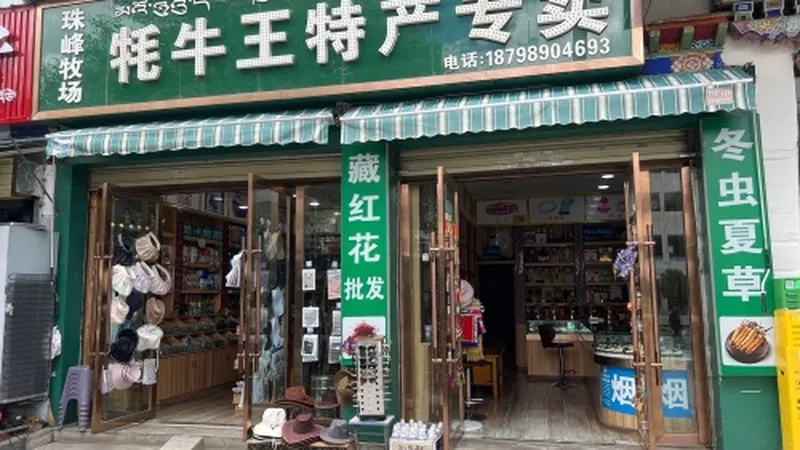
Take the main street slowly: oxygen canisters stacked outside the hardware shop, down jackets crowding outdoor gear stores, peppers and potatoes piled in pyramids at the grocer. This is the supply radius of every Everest traveler. Skip shopping for now and let your legs meet the 4,300-meter air first.
Prayer Circuit and Market: The Town in Two Tempos
A prayer circuit wraps the edge of town, used daily by locals walking clockwise from early morning to dusk. One loop takes about forty minutes, passing prayer wheels, mani stone piles and the smell of butter; slow is the only speed here.
The market peaks late morning: cheese curds, butter, dried meat and tsampa flour sold in heaps; a calculator works fine for bargaining. Browse before buying and take your time; locals are easy about onlookers, but ask before photographing people.
Everest Tsampa: A Bowl Made by Hand
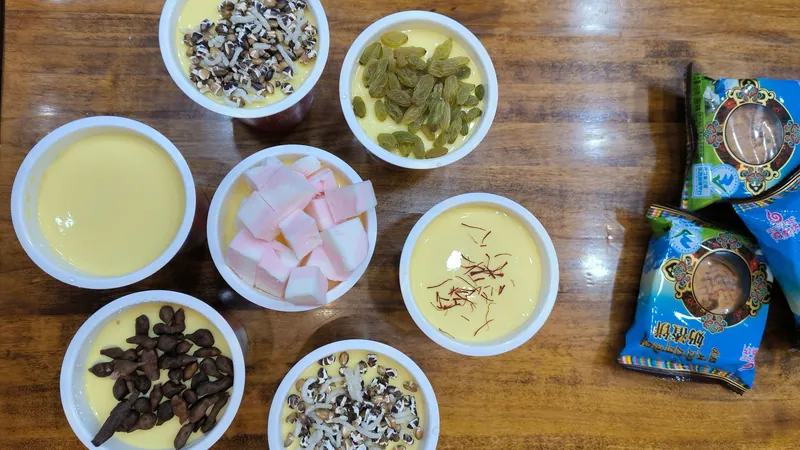
Tsampa is the plateau's staple: roasted highland barley ground into flour, mixed with butter tea and cheese curds, then kneaded by hand right in the bowl. Most Tibetan eateries in town make it fresh, and a hospitable owner will coach you through the three moves, tea first, stir, then knead, each holding a herder's touch.
The first bite is unfamiliar to most travelers: dry, faintly sweet, with the toasted note of roasted barley. Filling yet easy to digest, it is the right pre-mountain lunch. Pair it with plain tea or butter tea, finish slowly by the stove, and the afternoon is settled.
Everest Yak Meat: A Herder's Reward Pot
Yak stew is the day's climax: a clear bone-broth pot simmered until the meat falls apart, finished with salt and scallion, broth first then meat, with thin slices of dried yak as a snack that grows more fragrant as you chew. Plateau yak is coarse-fibered and deeply beefy, a different animal from lowland beef.
At altitude the body sheds heat fast, and a pot of hot meat soup does more than extra layers. Stop at seven-tenths full; digestion at night pulls blood from the brain and invites sleep, which tonight is a good thing, but skip alcohol entirely.
| Getting around |
|
| Budget | Mostly eating and strolling, about RMB 100-200 pp for the day; renting an oxygen canister or buying gear adds RMB 100-300. |
| Best time | Year-round, with strong midday sun and wide day-night swings; May to October brings the liveliest streets. Arriving a day early to acclimatize before going up is the local standard play. |
FAQs
Will strolling around town on arrival day worsen altitude sickness?
Moderate slow walking does not; it helps. The town sits near 4,300 m, a height the body can self-regulate. Keep a pace where you can chat normally and rest every twenty minutes. If real headache or nausea sets in, return to your room and lie down; sleeping early beats seeing one more street.
Do I need the border permit for the county town, and when is it easiest to get?
The town itself is usually not checked, but the permit is mandatory for the Everest scenic area and inspected at every checkpoint. Get it before departure at your local police window, or in Lhasa or Shigatse before the drive; options in the county town are thin and slow. Children need one just like adults.
If Base Camp is tomorrow, does a whole town day waste time?
Quite the opposite: this day is the best-value insurance in the itinerary. Moving from the 4,300 m town to the 5,200 m camp, the acclimatization between them decides how the night goes. Local drivers routinely advise at least one night in town before going up, and market, tsampa and strolling fill the day without a wasted step.
What are lodging and food like in the county town?
The town has guesthouses and hotels across price tiers; hot water runs on limited hours, most rooms have electric blankets, and some places close in the deepest winter. Food leans Sichuan and Tibetan, with noodles, sweet tea and tsampa everywhere. Book rooms through your driver in peak season and stock power banks and oxygen before going up.