
Dingri is not a shopping destination, but it is the only supply node before the mountain: oxygen, heat packs, gloves and sunglasses, anything missing can only be fixed here. Place the shopping day the day before you go up, half necessities, half keepsakes; the town shop street and produce stores are the spine, and the Base Camp tent stalls the coda.
Three rules: for oxygen and medicine, intact packaging and clear dating; for craftwork, judge material before price, neither grinding to the floor nor splashing impulsively; for food, ask about vacuum sealing and shelf life first, and confirm whether dried yak or tsampa flour can fly with you before paying.
Itinerary at a glance
| 09:00 | Tingri Shop Street: Oxygen, Warmth and Gear |
| 11:00 | Tibetan Craft Shops: Picking One Real Piece |
| 14:00 | The Local-Produce Store: Tsampa Flour and Dried Yak, Done Right |
| 17:00 | Everest Base Camp Tent Area: Keepsake Stalls under the Peak |
The route, stop by stop
Tingri Shop Street: Oxygen, Warmth and Gear
First stop for mountain supplies is the main street's outdoor and general stores: oxygen canisters sold individually at prices lower than inside the scenic area, and heat packs, fleece gloves, knit hats and sunglasses are cheapest here. The highland trade rule holds that prices climb with altitude; buying at Base Camp costs double.
Work through the checklist: two canisters of oxygen to start, high-factor sunscreen, lip balm, a thermos, power bank and adapters. Established shops and supermarkets beat roadside stalls; check production dates before paying, especially on oxygen and food.
Tibetan Craft Shops: Picking One Real Piece
Tibetan craft shops line both sides of the main street: turquoise, amber, silver, knife-shaped pendants and bead bracelets in eye-catching rows, though materials run deep water and synthetic stones passing as natural are common. Without an expert eye, buy as craftwork at souvenir prices, tens to one or two hundred yuan for the look, never as investment.
Safer picks are handmade textiles and household objects: pulu wool scarves, yak-rope braids, wooden bowls and copperware, with strong workshop character and low markup. Judge the craft details; stitchwork and hammer marks do not lie, and machine goods shine too evenly.
The Local-Produce Store: Tsampa Flour and Dried Yak, Done Right
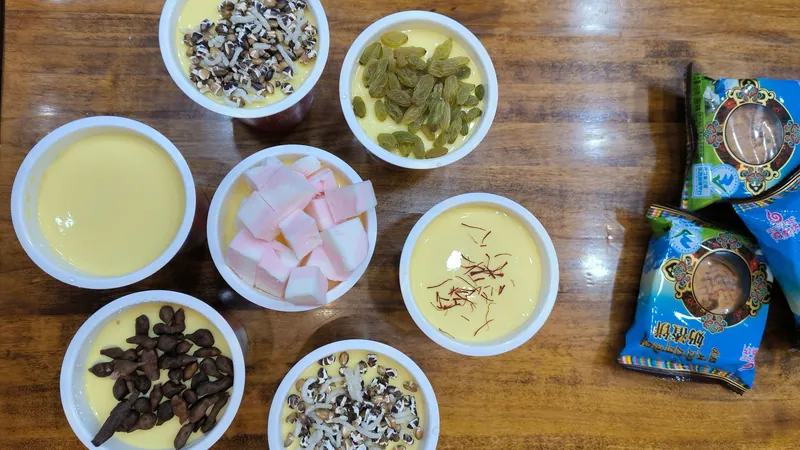
The produce store is Dingri's most honest shop: tsampa flour, butter, cheese curds and dried yak sold by the jin at friendly prices. Tsampa flour travels home well for recreating plateau breakfasts with sweet tea; butter comes best vacuum-sealed in small bricks, curds run sweet or salty, and tasting before buying is the custom.
Dried yak is the signature gift: loose meat smells best but keeps poorly, while vacuum packs stretch one or two weeks. Ask three questions for all foods on the spot: can it be vacuum-sealed, how many days it keeps, and whether it can fly in checked luggage, then pay only when the answers satisfy.
Everest Base Camp Tent Area: Keepsake Stalls under the Peak
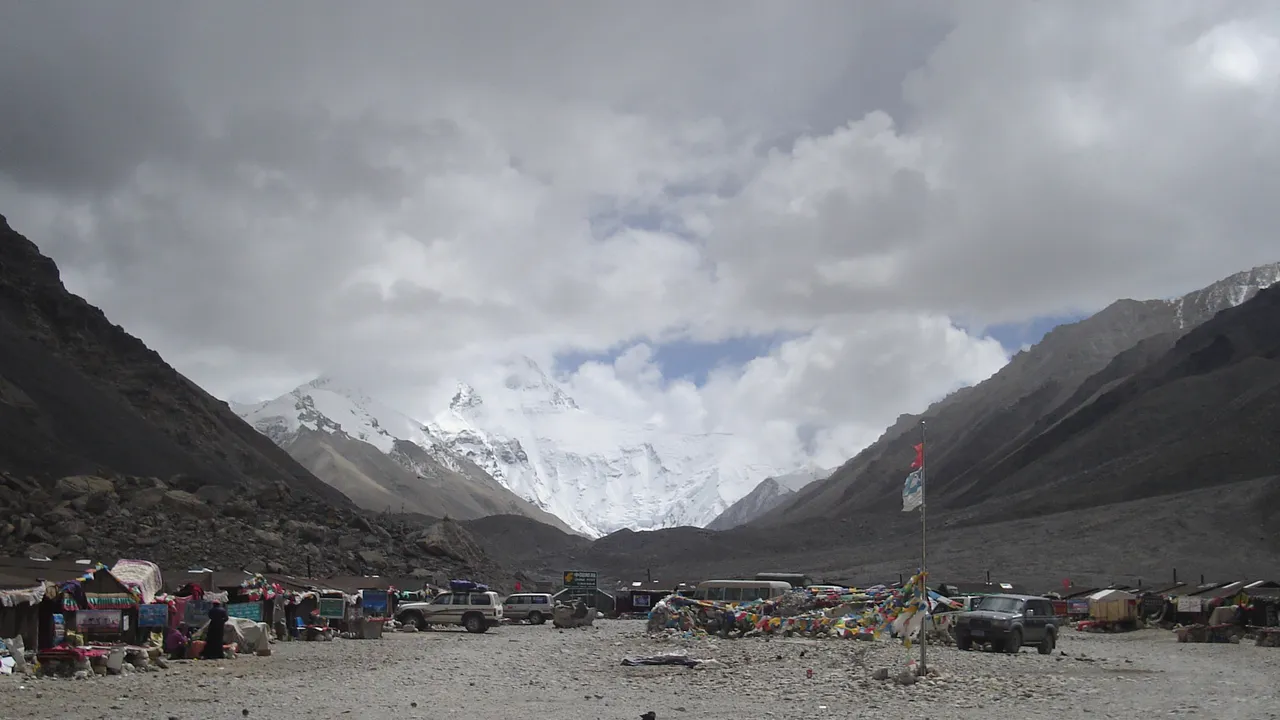
In the April-October season small keepsake stalls scatter among the Base Camp tents: postcards, magnets, prayer flags and charms engraved with the peak's name, priced about thirty percent above town. The point of buying here is presence; postcards can be written on the spot, and any tent postmark wish should be cleared with the stall first.
One principle: small items by whim, big items back in town. The light and wind at camp suit no leisurely browsing, so pick one or two pieces and stop, leaving budget for the daytime shop street.
| Getting around |
|
| Budget | Supply budgets swing wide: oxygen runs RMB 30-60 a canister, RMB 50-300 covers dignified souvenirs, and gear spending has no ceiling. |
| Best time | Purchasable year-round; the shop street trades by day, while tent-area stalls run April to October only. Finish buying before going up, not after, when energy is gone. |
FAQs
Can I buy oxygen canisters and altitude medicine in the county town?
Oxygen canisters are everywhere on the shop street at about RMB 30-60 each; start with two before going up. Common medicines are sold at town pharmacies, but prescription altitude preventives should be arranged with your doctor in advance, not improvised here; oral glucose solution, though, is always in stock.
How do I avoid fakes in Tibetan craftwork?
Two routes: buy the look at craftwork prices, tens to two hundred yuan, pure decoration and no heartbreak; or verify material on the spot, weighing silver with a per-gram price and demanding certificates for natural stones or walking away. Scenic-area stalls and unlicensed hawkers run the deepest water; fixed shops at least leave room for returns, so keep receipts.
Can dried yak and butter go on a plane?
For domestic flights, checked baggage usually works with vacuum sealing as the precondition, and butter should be sealed small bricks double-bagged against leaks; international flights are far stricter, most countries bar meat products and butter as an animal product may be stopped too. The safest cross-border gifts are tsampa flour, tea and candy, with near-zero customs risk.
Are the Base Camp keepsake stalls worth buying from?
You are buying meaning, not value: prices run about thirty percent above town and the range is postcards, charms and prayer flags. Writing a postcard on site, or asking tent hosts about a postmark, is an experience town cannot offer. But devices drain fast in the cold, so confirm battery before QR payment and keep cash ready.