
Five days is the minimum budget for reading Everest properly: three is tight and compresses every experience, while five gives each altitude gain a night to digest, turning mountain-watching from a sprint into a way of living. The structure is three modules: adapt, ascend, digest.
The hidden virtue is fault tolerance: a rough day two can shift the whole plan by a day, and a missed glacier buys a second sunrise. On a plateau the priciest commodity is certainty, and five days is what buys it.
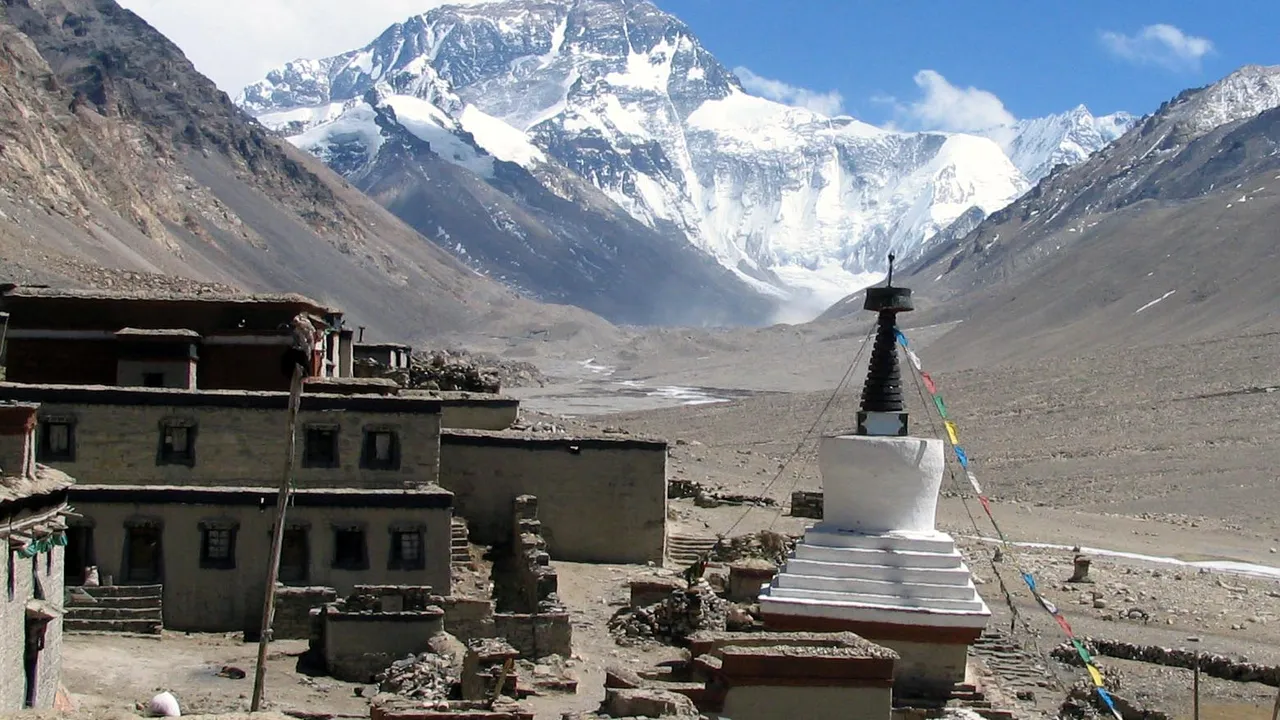
Itinerary at a glance
| Day 1 · 14:00 | Tingri County Town: Arrival and the First Adaptive Night |
| Day 2 · 09:00 | Gawula Pass: Roll Call of Five Summits |
| Day 2 · 12:00 | Everest Viewing Point: Hard Light, Hard Peak at Noon |
| Day 2 · 14:30 | Rongbuk Monastery: Afternoon Tea on the Mountain Day |
| Day 2 · 18:00 | Everest Base Camp: The First Alpenglow |
| Day 3 · 07:00 | Everest Sunrise: Morning Acceptance Test |
| Day 3 · 10:30 | Everest Glacier: Half an Hour Walking the Ice-Tongue Direction |
| Day 3 · 16:00 | Descending to Tingri Town: The Buffer Night |
| Day 4 · 09:30 | Barley Fields and Village Lanes: The Digestion Day |
| Day 4 · 15:00 | Everest Yak Meat: The Route's Most Formal Meal |
| Day 5 · 09:00 | Tingri County Town: Morning Circuit and Departure |
The route, stop by stop
Tingri County Town: Arrival and the First Adaptive Night
Day one belongs to road and body: arrive from the Shigatse direction by midday or evening, check in, and take a single slow lap of the main street. Light dinner, early bed, the first night surrendered entirely to altitude, no attractions counted.
The town sits near 4,300 m, the most comfortable sleeping height of the whole route; sleep deep on night one, no exceptions. Leave the window cracked or seal it to feel, pile the bedding thickest, and the margin tonight's sleep builds can be withdrawn at the pass tomorrow.
Gawula Pass: Roll Call of Five Summits
Day two enters the mountains, opening as ever at Gawula Pass. After a night of adaptation you can stand longer than expected: name each summit and learn their shapes, a skill reused every day after.
Circle the flags and mani piles clockwise as always, then return to the car promptly after photos; body heat drains faster at the pass than you feel. Your driver usually waits by the car; sip hot water aboard and let circulation recover before climbing on.
Everest Viewing Point: Hard Light, Hard Peak at Noon
At noon the viewpoint's light falls vertical and the mountain's detail turns sharpest: rock-fold wrinkles and icefall breaks all legible. Photographers may not love midday, but mountain-readers do; this is the moment to see Everest's geology.
Descend to the Rongbuk area for lunch afterward, banking heat for the afternoon and the camp. Lunch on hot noodle soup or tsampa at seven-tenths, then sit twenty minutes before the car so digestion catches the altitude's rhythm.
Rongbuk Monastery: Afternoon Tea on the Mountain Day
Rongbuk appears twice in five days, and this is the first: afternoon sweet tea in the monastery teahouse, sun on the bench, the mountain ahead. Slowness is the only weapon against altitude here, and the mark that separates five days from three.
Tour the main hall in your sharpest hour: hat off, clockwise, soft-voiced; do all three and the butter lamps will remember you. If chanting is on, pause beneath the outer gallery before entering; footsteps carry loudly on the old wooden floor.
Everest Base Camp: The First Alpenglow
The five-day plan places camp night on day two, after two town nights and a full day of climbing. The dusk alpenglow plays as ever, but tonight you may linger outside the tent, since tomorrow holds the sunrise and there is no rush.
After tent supper, bed early and listen to the wind all night. The route's first 5,200 m night treats sleep itself as the task. Waking at midnight is normal; slow the breathing and drift back without clock-checking, which only magnifies anxiety.
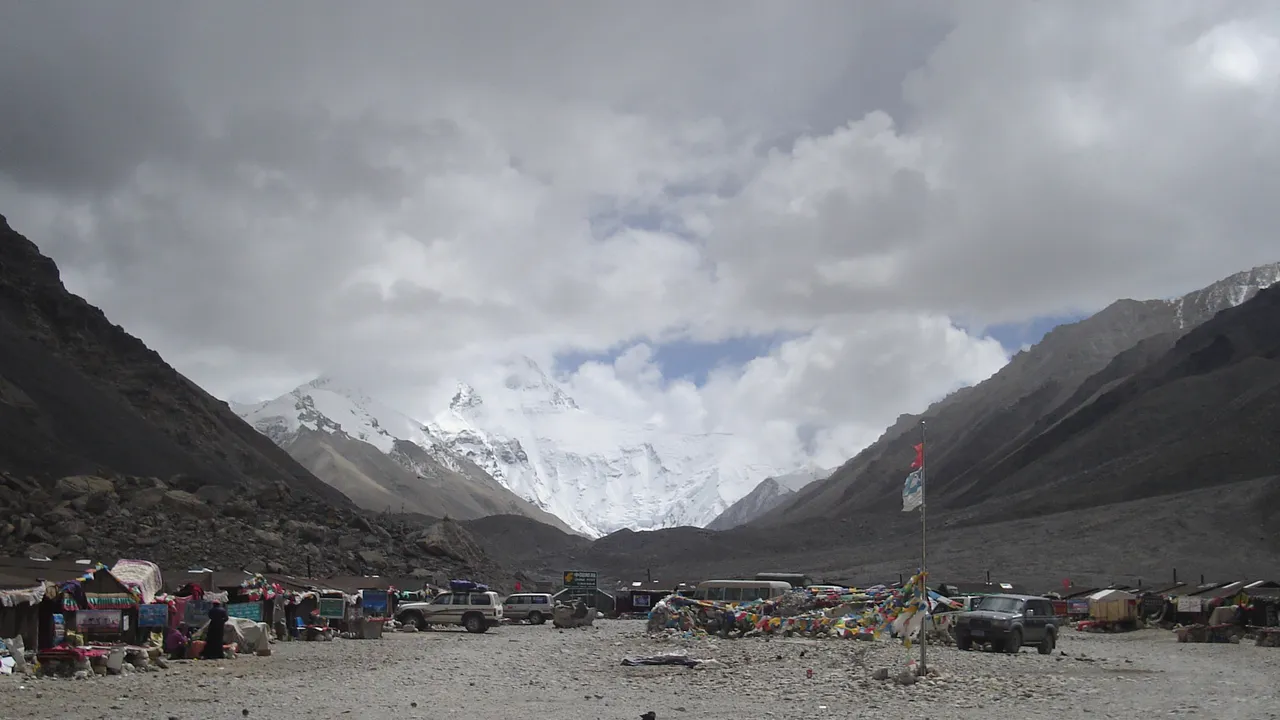
Everest Sunrise: Morning Acceptance Test
Day three's sunrise is the five-day plan's first acceptance test: how last night went and how clear your head is, all written in how you watch. The gold line sweeping down from the summit for twenty minutes, standing perfectly still, is celebration enough.
After sunrise, a hot tent breakfast and packing for descent. On a plateau, mornings belong to motion and afternoons to rest. Keep the descent loose: rolling out around ten and heading townward before noon is all the schedule asks.
Everest Glacier: Half an Hour Walking the Ice-Tongue Direction
Late morning, take a short walk on gentle ground near camp, facing the glacier's direction of arrival. Never onto the ice; on the scree, feel the glacier's wind and scale: an ice flow that began in snow basins above 6,000 m, running down to your feet.
Walk the whole outing at conversational pace; at altitude the achievement is not distance but never once gasping. Plant the whole foot on scree, halve the look-back shots, and safety always outranks the frame.
Descending to Tingri Town: The Buffer Night
Back in town by early evening on day three, take the route's first hot shower. This night's sleep will clearly beat the tent's, the body repaying its oxygen debt at 4,300 m.
Hot stew for dinner, a fifteen-minute walk after, then done. Tomorrow is an easy day; no alarm required. Back up two days of photos; plateau signal comes and goes, and early backups buy early peace.
Barley Fields and Village Lanes: The Digestion Day
Day four's morning holds no fixed point: barley fields, village lanes, threshing grounds, ending wherever it ends. After three high-altitude days of peaks, low-village strolling changes the eyes' menu and grants the knees a holiday.
Village elders and children are this stop's main scenery; smiles and nods are the shared language, ask before photos, and set gifts down gently. Watch threshing from a distance and stay out of the work zone; the dust it raises is unkind to lenses and lungs alike.
Everest Yak Meat: The Route's Most Formal Meal
The day-four yak feast is the five-day plan's ritual moment: the tsampa and noodles of earlier days were all prelude, and this spread of stew pot, boiled cuts, dried meat and barley wine, sweet tea for the non-drinking, sums the plateau's flavors on the tongue.
Stop at seven-tenths full, saving a tenth for the teahouse's last flask at night. Walk the main street back to your room after the feast; the plateau night's crisp air is the best side dish for digestion.
Tingri County Town: Morning Circuit and Departure
On the last morning, join the prayer-circuit crowd for a final lap, replaying the five days in footsteps. Pack before noon and fix drop-off or airport timing with the driver.
The return road passes the pass and the checkpoints, so keep documents within easy reach. Draw the five-day period at a town breakfast stall: one bowl of Tibetan noodles, steaming.
| Getting around |
|
| Budget | Entry about RMB 160 pp plus vehicle fee; five-day charter share, lodging and meals total roughly RMB 2,000-3,600 pp. |
| Best time | Apr-Jun and Sep-Oct are the golden windows, clear skies with tents fully open; other months run but with both summit odds and comfort down. |
FAQs
What exactly do the two extra days of the five-day plan buy?
In two places: altitude tolerance, since low-town nights digest every high shock and let the plan slide whole days; and experience density, with Rongbuk twice, a full village day, and the yak feast holding its ritual slot. On three days Everest is an attraction; on five, it is somewhere you lived.
How many tent nights are right?
The mainstream is one: descend after day three's sunrise to the town buffer. Two tent nights suit photographers in peak condition chasing star trails; three is not advised, as the toll of consecutive high-altitude sleep is badly underestimated. The test stays the body: if morning headache lingers after a tent night, do not go up again.
What can replace the day-four village day?
Three alternates: a second mountain run for an afternoon look at the peak, worth a gamble in changeable weather; a deep town rest day of teahouses and Tibetan medicine therapy; or a one-day detour toward Sakya or Shigatse. The village day's irreplaceable part is rhythm, but time-pressed travelers can swap in any of the three.
Where does the five-day budget mainly go?
Charter dominates: one off-road vehicle across five days, split per person, usually exceeds tickets and lodging combined; tent and town nights come next, with food the smallest slice. Save wisely: never economize on the driver, since vehicle condition and driving experience tie directly to safety, the one line a plateau trip should never cut.