
Seven days is the luxurious form of an Everest trip: enough time to live by the weather like a local. Clear sky means going up, cloud means tea in town, a shifting wind means rewriting the script. Everest's clouds keep their own hours; short-term visitors bet against them, seven-day travelers live with them.
The structure runs in three movements: days one and two settle body and daily life in town, days three and four complete the first full mountain run, days five and six fill with village, rest and resupply, and day seven decides by weather whether to climb once more for morning light. Every day carries an alternate; half this itinerary is the plan, and half is where to go when the plan fails.
Itinerary at a glance
| Day 1 · 14:00 | Tingri County Town: Arrival and Setting the Seven-Day Tempo |
| Day 2 · 09:00 | Prayer Circuit and Mani Piles: Entering Dingri's Sense of Time |
| Day 2 · 15:00 | Everest Tsampa: First Lesson in Settling the Stomach |
| Day 3 · 08:00 | Gawula Pass: First Ascent of the Week |
| Day 3 · 11:30 | Everest Viewing Point and Rongbuk: Two Marks on the Uphill Line |
| Day 3 · 17:30 | Everest Base Camp: Alpenglow, Tents and a Night of Wind |
| Day 4 · 07:00 | Everest Sunrise: The Seven-Day Plan's First Acceptance |
| Day 4 · 16:00 | Tingri County Town: Buffer Night and Recovery Day |
| Day 5 · 09:30 | Barley Fields and Village Lanes: The Low-Altitude Correction Day |
| Day 5 · 15:00 | Everest Yak Meat: The Recovery Day's Proper Meal |
| Day 6 · 10:00 | Prayer Circuit and Market: The Standby Day's Domestic Side |
| Day 6 · 15:00 | Everest Tsampa and the Farewell Table: A Long-Stay Guest's Privilege |
| Day 7 · 07:00 | Everest Sunrise, Second Ascent: A Second Meeting with the Mountain |
| Day 7 · 14:00 | Tingri County Town: Departure and the Seven-Day Reckoning |
The route, stop by stop
Tingri County Town: Arrival and Setting the Seven-Day Tempo
Arrive by afternoon of day one and, after checking in, set up the seven-day base: laundry spot, hot-water point, produce shop, the teahouse you will adopt. The first duty of a long stay is not the mountain but a life that runs without thinking.
Take a slow evening lap of the main street and meet your driver to lay out the week's skeleton and slack: which days go up, which days hold on standby. Exchange contacts and a backup number and agree on a nightly eight o'clock check-in, rain or shine.
Prayer Circuit and Mani Piles: Entering Dingri's Sense of Time
Day two hands the body to the town: first circuit with the dawn prayer crowd, then market and shop street to stock the week, oxygen, snacks, sunblock, heat packs. No fixed points; sit down whenever tired.
Adaptation at 4,300 m shows itself only after forty-eight hours; today's restraint is the capital for day four's departure. The afternoon suits sorting photos and a few notes, letting the body memorize this height at low intensity.
Everest Tsampa: First Lesson in Settling the Stomach
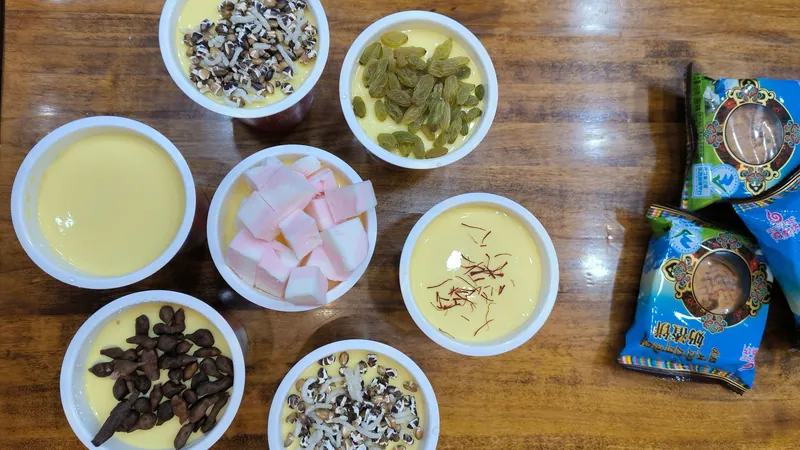
The afternoon tsampa lesson sets the week's key: at altitude, eating means hot, carbohydrate and digestible. Learning tsampa is a universal meal ticket for the plateau's canteens, guaranteeing you never go hungry in any tent or teahouse for seven days.
Chat with the owner about the week's plan; local reads on weather and road conditions often beat the forecast, so note a line or two. Such as when clouds build at the pass or when buses arrive; these lessons serve all six days after.
Gawula Pass: First Ascent of the Week
Day three starts the first ascent, weather being the precondition: the night before, cross-check forecasts with the driver's local read; clear means go, cloudy means slide the whole day, and the seven-day plan's greatest asset is that sliding is affordable.
Treat the pass as a waypoint: twenty minutes for the five summits, a body-signal check, back in the car. Today ends at camp, with the whole day paced backward from a tent night.
Everest Viewing Point and Rongbuk: Two Marks on the Uphill Line
Twenty minutes at the viewpoint reading clouds, an hour at Rongbuk for lunch, sweet tea and the main hall. Compressing the uphill pace minimizes the burden of sleeping at 5,200 m: with every gain in altitude, slow your motions another notch.
The monastery cat is famous along this route; admire it from a respectful distance. Use the toilet before leaving, since the camp's long-drop experience should not linger.
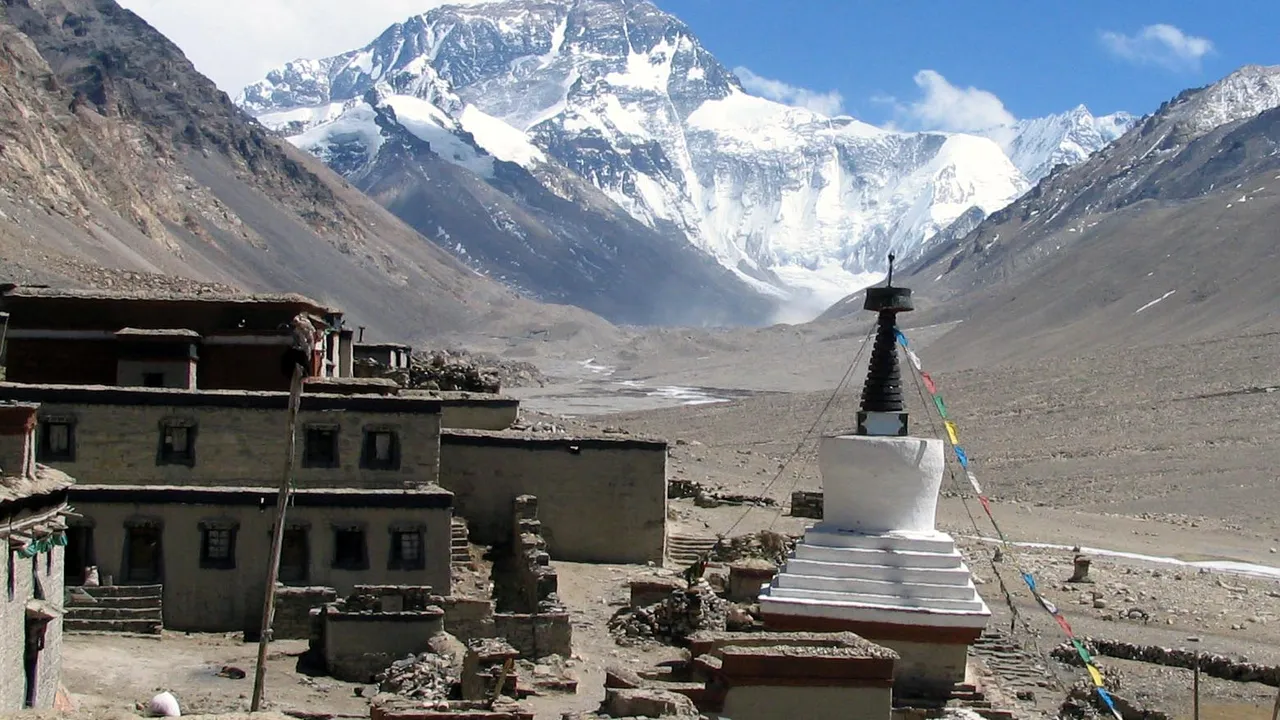
Everest Base Camp: Alpenglow, Tents and a Night of Wind
Reach camp by dusk and run the three-step drill: book the tent, stow luggage on the bunk, drink a hot flask of sweet tea. When the alpenglow plays you are already settled, free to watch the last gold line leave the stage at leisure.
Overnight by the acclimatization rules: no shower, small frequent sips, oxygen available for headache. Waking at midnight is normal; treat this night as the honor course of the seven-day plan and complete it.
Everest Sunrise: The Seven-Day Plan's First Acceptance
Watch day four's sunrise, then enjoy what only the seven-day plan allows: no rush. A hot tent breakfast, packing in the sun, and an unhurried descent before 10 am.
Stop once more at the viewpoint on the way down; the same mountain in a different hour shows layers yesterday hid. Should the clouds part just then, this view hands over the trip's most complete panorama of the massif.
Tingri County Town: Buffer Night and Recovery Day
Day four descends to town, and this night plus day five's morning form the recovery module: hot shower, long sleep, normal appetite, the body clearing its oxygen debt from camp at 4,300 m.
If the afternoon allows, restock on the shop street for a second ascent; if fatigue wins, an afternoon of teahouse sitting is the equally correct answer. The seven-day rule is body first; sights can always be revisited, but a missed condition is missed.
Barley Fields and Village Lanes: The Low-Altitude Correction Day
Day five's village walk is active recovery: low altitude, low intensity, high emotional yield. Barley fields and lanes pull the eyes from the peaks back to the ground; walk an hour, watch the school run, watch threshing.
Carry a pencil or a small copybook into the village and hand it to an adult for the children; the measure of rural socializing is lightness, not weight. Children may trail you curiously for a stretch; answer not every question, since a smile is a complete reply.
Everest Yak Meat: The Recovery Day's Proper Meal
The recovery afternoon answers with yak meat for iron and heat: a stew simmered to order, meat soft, broth thick. A seven-day plan burns enormous fuel, and protein and salt must be replaced deliberately; this meal is a supply station in the nutritional sense.
Stop at seven-tenths, then an hour in the teahouse listening to neighboring tables talk mountains. The regulars' perk is intelligence: who went up, when the sky turns, the teahouse holds the answers.
Prayer Circuit and Market: The Standby Day's Domestic Side
Day six runs two scripts by weather: clear means preparing tomorrow's second dawn ascent, supplies staged and sleep banked; cloudy means a complete town day, two circuits, market restock, postcards home.
The standby day is criminally underrated: the seven-day dividend is not points collected but the option of not hurrying. Sitting in a teahouse watching local life is itself the deepest sight of the Everest region.
Everest Tsampa and the Farewell Table: A Long-Stay Guest's Privilege
The night before day seven, return to the eateries the week made familiar for the farewell table. This time you build the tsampa alone, kneading like a regular. The owner remembers you, perhaps the most concrete sense of existence travel can grant.
Settle, with the bill, all the week's small debts: refilled tea, borrowed flame, taught words. The plateau's accounts are simple; the goodwill is not. One sincere goodbye fits the local code better than any tip.
Everest Sunrise, Second Ascent: A Second Meeting with the Mountain
Day seven's second dawn ascent is the seven-day plan's finale: a fully adapted body, a weather window observed across five days, light arriving at the hour you now know best. The same platform, and yet a completely different Everest on the second visit.
Descend unhurried after the morning light, back in town before noon. After lunch, settle the charter, return borrowed gear, and close the week properly. Settle item by item against the verbal terms and close the week's understanding cleanly in the final accounting.
Tingri County Town: Departure and the Seven-Day Reckoning
The final afternoon departs. Toward Shigatse, bus or charter leaves after midday and lands by evening; with hours to spare, one bowl of Tibetan noodles at the town breakfast stall is Dingri's last piece of luggage for you.
What you carry away after seven days exceeds photographs: a body-trained method for altitude, a ridgeline seen in four kinds of light, and that chair in the county-town teahouse that learned your name.
| Getting around |
|
| Budget | Entry about RMB 160 pp plus vehicle fee, repurchased for the second ascent; seven-day charter share, lodging and meals total roughly RMB 3,000-5,200 pp. |
| Best time | Apr-Jun and Sep-Oct first: seven days can wait out two or three clear windows; in the shoulder season the plan leans harder on executing weather fallbacks. |
FAQs
Isn't seven days too long? Is there that much to see in Dingri?
Seven days pay not in attraction count but in weather and body margin: summit visibility is ruled by cloud, and a week can wait out two or three clear windows; physically, seven days complete adaptation without hurry. Fast-paced, fit travelers do fine on five; seven exists for those who want to go gently.
How are tickets and vehicle fees charged for the second ascent?
Under current rules each ascent buys new tickets, and the vehicle fee also charges per entry, so the second run costs roughly as much as the first. Confirm the day's standard with both driver and ticket office before departure and write both ascents into the charter total, keeping settlement unambiguous.
What if the whole seven days stay cloudy?
The script is prewritten: cloud means consolidating town rest, village days and teahouse standby, sliding mountain days later; if no window opens by day six, weigh deposits and body condition and consider dropping the second ascent. What the seven-day plan teaches is accepting the mountain's weather, and that acceptance is itself the harvest.
Does the seven-day plan raise altitude-sickness risk versus five?
Lower. The adaptation segment runs longer, the tent night comes after the body is staged, and a full recovery module backs everything. The three risk rules stand: two consecutive town nights before ascending, strict overnight discipline in the tent, and immediate descent on any persistent symptom. The plateau rewards patience, never bravado.