
Hulunbuir's cultural ground is not one steppe but three peoples writing over the same land: Mongol herding and Naadam, the log houses and lieba of Russian descendants along the Ergun valley, and in the museum the older layers of Xianbei and Shiwei. One stop per layer, and by evening you understand why an onion dome and a bread oven stand beside the gers.
The line runs north from Hailar: the museum as written preparation, Jinzhanghan as the steppe's first lesson, a glance at the wetland's natural ground en route, and the heaviest cultural experience saved for the family visit in Enhe. It all rides on a charter, and an early start decides whether the day holds together.
Itinerary at a glance
| 09:00 | Hulunbuir Museum: Reading the Steppe Chronology First |
| 11:00 | Jinzhanghan Mongolian Tribe: Naadam, Wrestling and Horsemanship |
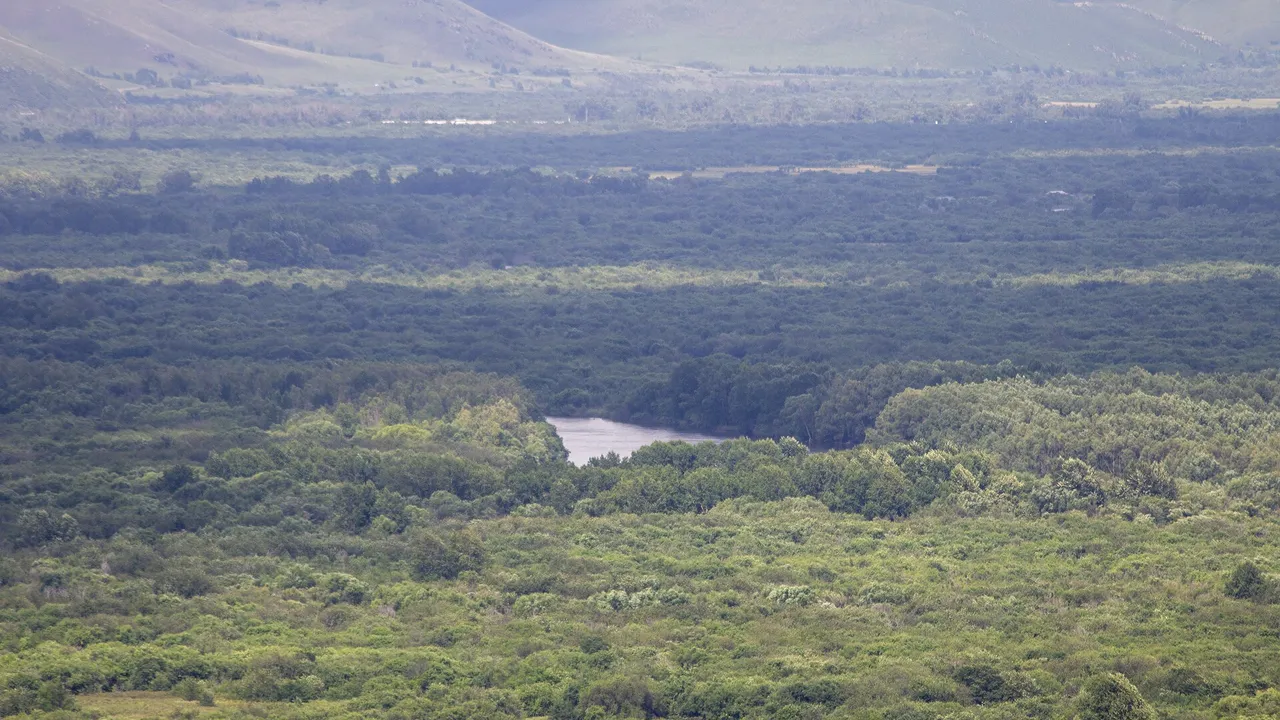
| 14:30 | Ergun Wetland: The Natural Ground Beneath Three Cultures |
| 16:30 | Enhe Russian Ethnic Township: Log Houses and a Bakery Family Visit |
The route, stop by stop
Hulunbuir Museum: Reading the Steppe Chronology First
Starting the culture day at the museum is the best-value order: the relay of the Xianbei from the Gaxian cave, the Shiwei tribes and the Mongol clans across this land is told plainly through gold, horse tack and reconstructed scenes. Once the chronology is clear, every tent and banner at Jinzhanghan this afternoon carries its footnote.
Focus on the ethnic-history and folklore halls; the shamanic dress and reindeer-hide gear there will match what you later see in Enhe and Genhe one by one. Ninety minutes and out, lunch deferred to Jinzhanghan, where steppe-boiled mutton suits the theme better than any downtown table.
Jinzhanghan Mongolian Tribe: Naadam, Wrestling and Horsemanship
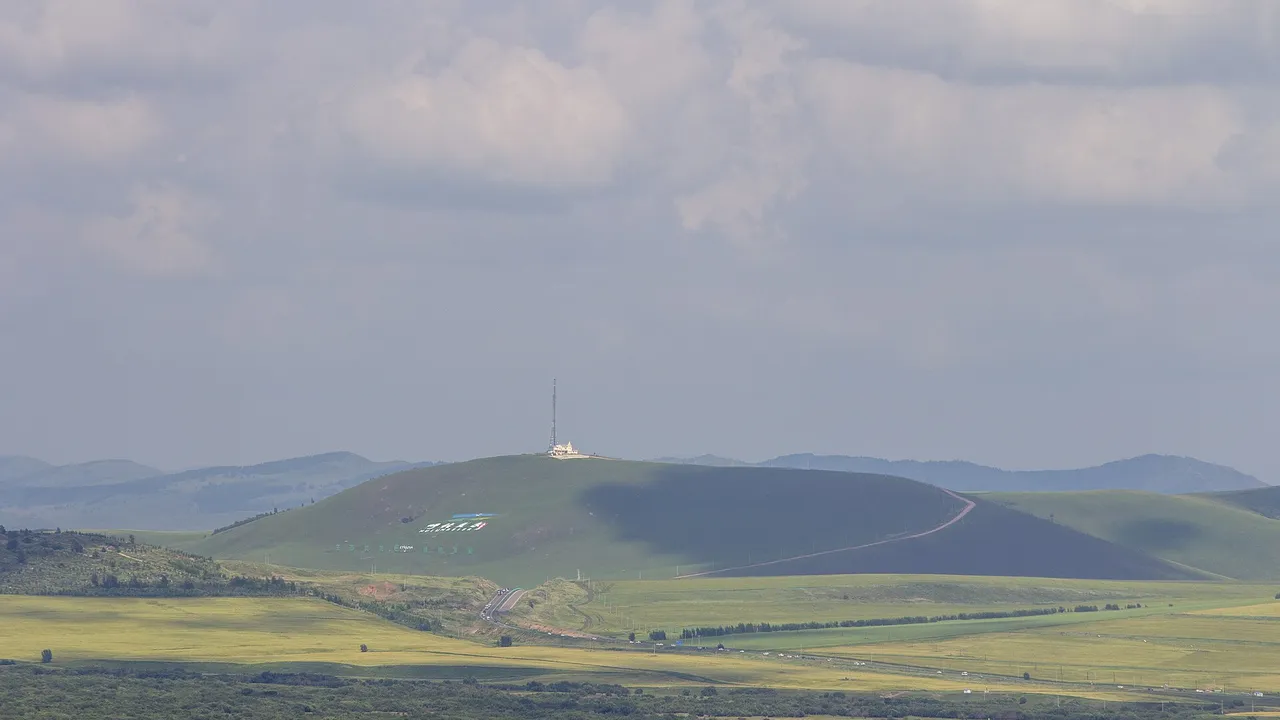
Jinzhanghan is the closest concentrated showcase of grassland culture to Hailar, staging Naadam-style performances through summer: bukh wrestling, short-course racing and archery in rotation, the whole camp shifting rhythm when the horn sounds. The best watching spot is the camp's high ground, taking in both the show and the bends of the Morigele.
Beyond the show, spend time on the milk-tea rites and horsehead fiddle inside the gers; accept the offered tea with both hands, the steppe's first courtesy. Riding is priced by route, and the beginner track stays on flat ground, open to seniors and children; lunch on boiled mutton at the camp saves an hour over returning to town.
Ergun Wetland: The Natural Ground Beneath Three Cultures
Stop at the Ergun Wetland on the road to Enhe, and read it as more than scenery: the Ergun river line has stood since antiquity as the boundary and corridor between steppe and forest peoples, Mongol pastures upstream and Russian-descended villages down the valley. From the deck, the day's puzzle pieces land on one map for the first time.
The main deck alone suffices, a forty-minute round trip that saves your legs for Enhe at dusk. The kiosk at the boardwalk entrance sells hot milk tea worth carrying up; October wind bites early, and even summer calls for a windproof layer.
Enhe Russian Ethnic Township: Log Houses and a Bakery Family Visit
Enhe is one of China's few Russian ethnic townships, its log houses stacked from whole trunks with moss packed in the seams, tin roofs sun-bleached into patchwork shades. The family visit is the core experience: the mistress of the house fires the oven for lieba and tells how her family crossed the Ergun a century ago; black tea with bread still warm, the room thick with wheat.
Visits run about ninety minutes, covering the baking and a tea spread. Buy a fresh loaf on the way out, then walk the village at sunset among the log houses; most homes also take guests, and if time allows, one night here is the right full stop for this culture line.
| Getting around |
|
| Budget | Museum free, Jinzhanghan about RMB 30, the family visit RMB 50-100 pp, charter share RMB 180-260 pp; the day totals roughly RMB 320-480 pp. |
| Best time | June to September is prime, when Jinzhanghan stages Naadam-style shows with wrestling and archery; in winter the Enhe visit moves indoors by the stove, with its own charm. |
FAQs
Can Hailar to Enhe really fit in one day?
It fits, tightly: out of the museum by 9, the Jinzhanghan show at 11, forty minutes at the wetland at 14:30, the Enhe visit at 16:30, then either overnight or roll back before 19:00. The day totals about six hours of driving, so compress the return inside an hour after sunset; if that fails, drop the wetland and go from Jinzhanghan straight to Enhe.
How do I book the Russian family visit in Enhe?
The family visits are not ticketed by any scenic area but hosted by village guesthouses and experience families. Three common channels: your guesthouse books it, your charter driver recommends a household he knows, or an Ergun travel agency sells it as a half-day experience. Costs run RMB 50-100 pp with a tea spread; in July-August confirm a day ahead, since a walk-up may miss the oven's timing.
Which season suits this culture line best?
June to September is best: Jinzhanghan's shows and Naadam-style events cluster in summer, Enhe's bakeries all fire, and the wetland greens hardest. Winter keeps the line alive but the shows stop, shrinking the day to the museum and a stove-side family visit; if you come for ice and snow, pair this line with the Genhe reindeer tribe over two days for a complete experience.
What etiquette applies inside gers and Russian family homes?
Inside a ger, take tea with both hands, never step on the threshold, and do not point at the shrine side; in a Russian home, remove your hat and receive the bread-and-salt welcome with both hands. Ask before photographing, especially elders and interior furnishings, and thank your hosts face to face when leaving. Across steppe and village alike, the rule is simply that courtesy never embarrasses.