
This route inverts the classic loop: sights become the side dish and households the main. Night one goes deep into the grass with a herder family, watching the full round of milking, watering and tea-boiling; day two belongs to the Russian-descended villages of the Ergun valley, learning lieba in an Enhe log house; day three walks the border river to Shiwei, watches the herds come in at Heishantou, and ends on farewell lamb ribs in Hailar.
Booking is everything on a countryside line: herder families and village guesthouses have small capacities, so confirm through proper channels three to five days ahead in season, with meals priced in or out made explicit. What you will remember is not a viewing deck but a mistress's pickled cucumbers and a herder's braided whip.
Itinerary at a glance
| 09:30 | The Hulunbuir Grassland: A Herder Household Opens Its Day |
| 13:00 | Hand-Held Boiled Mutton: The Herder Table at Noon |
| 16:30 | The Morigele River: The Herds Come Home at Dusk |
| 09:00 | An Ergun Bakery: The Village Morning Baking Lesson |
| 14:00 | Enhe: Log-House Lodging and a Russian Family Visit |
| 17:00 | Pastures by the Ergun River: Steppe Dusk |
| 08:30 | Shiwei: Village Morning and the Border River |
| 14:00 | Heishantou: Riding, the Homecoming Herds and a Final Steppe Lesson |
| 19:00 | Roast Lamb Ribs in Hailar: The Countryside Farewell Dinner |
The route, stop by stop
The Hulunbuir Grassland: A Herder Household Opens Its Day
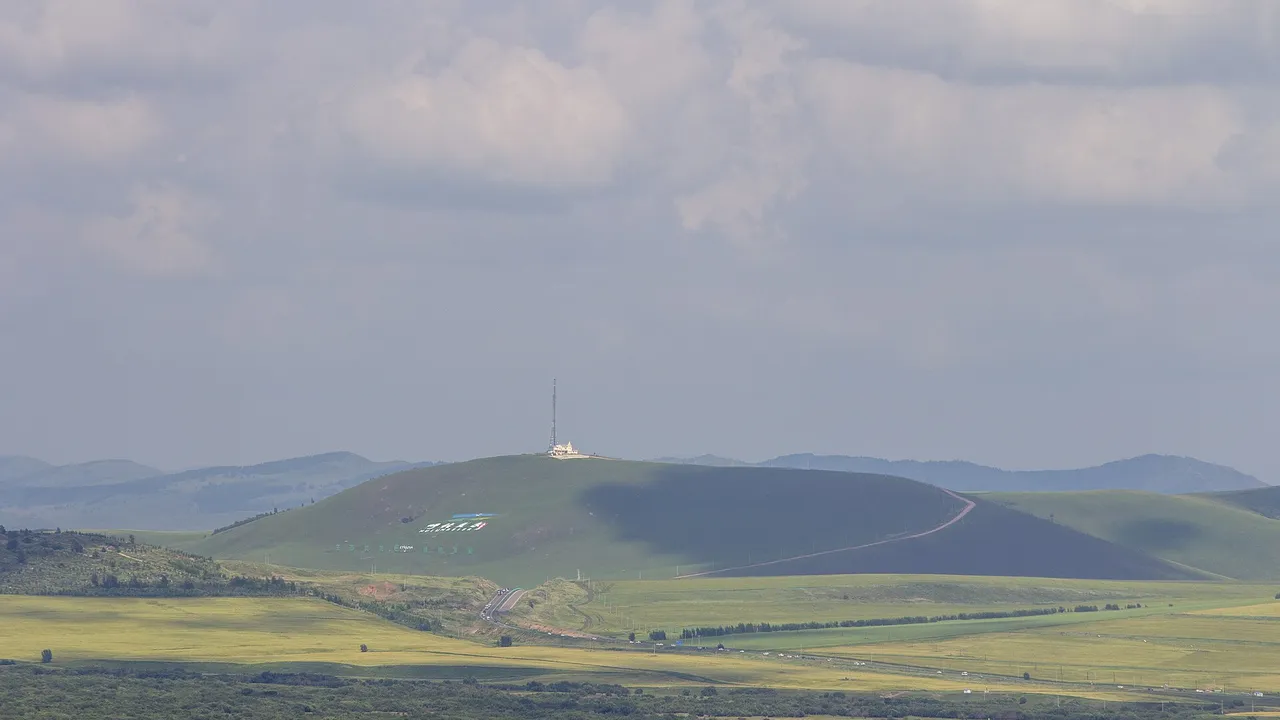
An hour out of Hailar the car turns off the pavement onto a family's rangeland. The morning follows the host: milking in the pen, feeding calves, walking sheep to water; whatever can be hands-on, the family will teach, and milking proves harder than it looks, the cows pickier than the guests.
The point of a herder visit is watching the steppe work, not a staged set: windmill pumps, solar panels, motorcycles standing in for horses, yet the milk-tea pot never leaves the stove. Two morning hours reward questions over photographs; talk of pasture, lamb prices and weather is the truest steppe economics.
Hand-Held Boiled Mutton: The Herder Table at Noon
The herder lunch is the countryside trip's heaviest table: bone-in lamb into plain water with only salt and wild onion, while the mistress boils pot tea and fries dough in the gaps. The meat comes out and goes straight to hand and chive-flower dip; on steppe lamb the line between fat and lean barely exists, only tenderness and perfume.
Table rules deserve learning: when the host offers a toast, dip the ring finger and flick a drop to sky, earth and fire before drinking, and answer in kind. Leftover meat is never waste, reheated it only improves; the steppe table prizes substance over form.

The Morigele River: The Herds Come Home at Dusk
Late afternoon belongs to the Morigele: the family's sheep file home before sunset while the river folds the last light up the grass slopes. No ticket or boardwalk applies here; the best vantage is the gentle rise behind the ger, where the host will point out the angle that takes in bends and flocks in one frame.
The night goes to the family's ger or brick house, simple but cleanly made up. Step out for stars only with a family member, since unfamiliar steppe ground disorients easily, and that is the privilege of sleeping here: a sky with no light pollution at all.
An Ergun Bakery: The Village Morning Baking Lesson
Day two opens at the bakery: Russian-descended families around Ergun mix dough before dawn, the oven hits temperature by mid-morning, and guests watch the whole process or even knead. Hops-fermented dough takes a sugar-water brush before the oven, and a fresh loaf's crust knocks hollow.
The lesson runs an hour, covering the full arc from rise to crust with tastings. The take-home points travel well: keep the hops starter alive, brush one side only, and let loaves rest half an hour before bagging. The fee usually includes a small loaf to carry off.
Enhe: Log-House Lodging and a Russian Family Visit
Reach Enhe in the afternoon, check into the booked log house, and start the day's main event: the Russian family visit. The mistress tells her family's century of crossing from the far bank, showing old photographs, an accordion and the rules of Orthodox holidays, with soup and blueberry jam as the tea-time regulars.
After the visit, walk the lanes: every log house wears its own shade of plank, and yard cucumber frames and flower beds are kept in perfect order. The old Orthodox church site and a small folklore room each deserve twenty minutes, pinning the stories to objects.
Pastures by the Ergun River: Steppe Dusk
Ask your hosts the way to the riverside pastures outside the village for dusk. This evening differs from day one: birch and brush line the valley, cattle drift along the shallows, Russia lies across the water, and the border river runs wide and shallow, the sunset paving the surface into a gold road.
The riverside grass stays damp, so follow the herd tracks and keep off the soft patches. The walk is about five kilometers round trip in grippy shoes; head back within half an hour of dark, as the border stretch is no place to linger at night.
Shiwei: Village Morning and the Border River
Day three heads north to Shiwei as the village wakes, chimney smoke flat across the log roofs. The border river is stillest now, the Russian bell tower across the water ghosting through mist, horses drinking at the grassy edge; this hour is the whole trip's best argument for an early alarm.
Shiwei wears its countryside character thicker than Enhe: one short main street, dense log houses, villagers riding out on motorcycles to move cattle. Walk twenty minutes of the riverside path, buy two fresh loaves for the day's rations, and turn south.
Heishantou: Riding, the Homecoming Herds and a Final Steppe Lesson
South to Heishantou returns the countryside's last lesson to the steppe: ranches charge by the hour, herder-guides lead an hour into deep grass, and from the saddle the rolling horizon actually moves, a perspective no car window ever grants.
Then wait for a homecoming: herds press over the horizon, hooves arriving before shapes. Watching needs no ticket; have the driver park a safe distance off the herd road, roll down the window, and wait. Afterward it is a straight two hours back to Hailar.
Roast Lamb Ribs in Hailar: The Countryside Farewell Dinner
Back in Hailar, close the three days on roast lamb ribs: an hour over charcoal for a crackling crust, wild-chive salad and kvass alongside, yogurt under white sugar to finish. The milk tea, boiled mutton and lieba of the past days each find their seat, and the full puzzle of steppe eating snaps complete.
If legs remain, walk twenty minutes along the Yimin to digest and sort three days of photographs. Before leaving, confirm the tracking numbers for the milk tofu and lieba your hosts promised to ship; on a countryside trip, the human ties travel farther than the scenery.
| Getting around |
|
| Budget | Herder visits RMB 150-300 pp with meals, two guesthouse nights RMB 400-700, three-day charter RMB 1800-2400 per car; the trip about RMB 1500-2200 pp for two sharing. |
| Best time | June to September: lambing and shearing in June, haymaking in July and August, haystack drying in September; winter visits move indoors and demand full snow-season gear. |
FAQs
How do I book herder visits or stays, and avoid scams?
Three proper channels: licensed herding cooperatives, reputable guesthouses, and veteran driver fleets acting as agents, at RMB 150-300 pp with meals and RMB 100-200 for lodging. Avoid anyone who intercepts cars on the road, quotes absurdly low prices, or demands full prepayment to a private account. At booking, confirm the item list, what milking, riding and meals each include, and whether transfers are covered.
What are countryside lodgings like, and what should I bring?
Herder lodging means a ger or brick house, mostly shared bathrooms; Enhe log-house guesthouses run close to standard inns and usually include breakfast. Bring your own toiletries, slippers and towels, and a fleece for the huge night temperature swing. Some herder homes take cash or WeChat only, so carry RMB 300 in small notes, and a power bank is essential since night outages are not rare.
Is the countryside line manageable with seniors and children?
The strain points are the dirt-road approach and the night's lodging: choose a brick house over a ger for seniors, while children usually out-enjoy adults at milking and feeding. Keep daily driving under four hours and reserve two hours of afternoon rest after lunch; never push the riding, offer a led-horse photo instead. Pack motion-sickness and children's medicines, because herder camps sit far from any pharmacy.
Which season gives the best countryside experience?
June shows lambing and shearing, July-August haymaking and the greenest grass, September golden haystacks with the fewest visitors. Winter visits move indoors around the stove, charming but demanding a full snow-season kit. Avoid the mid-July to mid-August absolute peak for better prices and experience, and whatever the month, long sleeves and long trousers are the baseline dress inside a herder home.