
Five days is the northern loop in full: the reindeer tribe at Genhe, which three days cannot hold, joins the line, and steppe, wetland, forest, border river and port unfold in sequence. The circuit stays clockwise: in via Hailar, north through Jinzhanghan and Ergun to Genhe, back down through Enhe and Shiwei, south via Heishantou, closing on Hulun Lake and Manzhouli.
The five-day secret is not filling the schedule: cap daily driving at five hours and keep one stop only after four in the afternoon. Half of Hulunbuir's beauty lives on the road, and rushing voids all of it; slow the pace and drivers will stop for the best light.
Itinerary at a glance
| 14:00 | Hulunbuir Museum: First Period on Arrival Day |
| 18:00 | The Yimin River and Hasar Bridge: A City Dusk Before Departure |
| 09:00 | Jinzhanghan and the Morigele River: The Steppe's Cover Shot |
| 14:30 | Ergun Wetland: The Formation of Waters |
| 09:00 | Aoluguya at Genhe: Morning in the Reindeer Tribe |
| 15:00 | Back Through Ergun: Wheat Aroma After the Forest |
| 09:30 | Enhe Russian Ethnic Township: A Border-Village Morning |
| 14:00 | Shiwei and the Border River: Russia Across the Water |
| 18:00 | The Heishantou Steppe Road: Dusk on the Southward Run |
| 10:00 | Hulun Lake: A Northern Sea in the Morning |
| 13:00 | Manzhouli's National Gate and Matryoshka Square: The Border Lesson at the Terminus |
The route, stop by stop
Hulunbuir Museum: First Period on Arrival Day
Most arrivals land around midday, so the afternoon fits the museum neatly: finish the chronology from Xianbei to the Mongol clans and tomorrow's steppe comes with its own narration. The folklore room's reindeer-hide gear and birchbark ware are the trailer for Genhe.
At night walk Genghis Khan Square and the Yimin, shaking off travel fatigue by the water. Do not scrimp on the first Hailar dinner: pot tea and boiled mutton can both debut tonight.
The Yimin River and Hasar Bridge: A City Dusk Before Departure
Walk a stretch of the Yimin at dusk, Hasar Bridge's towers lighting up, reflections kinder than daylight. These are the last city hours: four nights ahead fall in townships and border towns, and a Hailar riverside stroll will read as luxury in memory.
Dinner in the old west-bank streets, then stock up at a supermarket: water, dry rations, chocolate, and heat packs in the shoulder seasons. Shops thin out badly across the steppe and forest legs, and veteran drivers keep a case of water in the car as doctrine.
Jinzhanghan and the Morigele River: The Steppe's Cover Shot
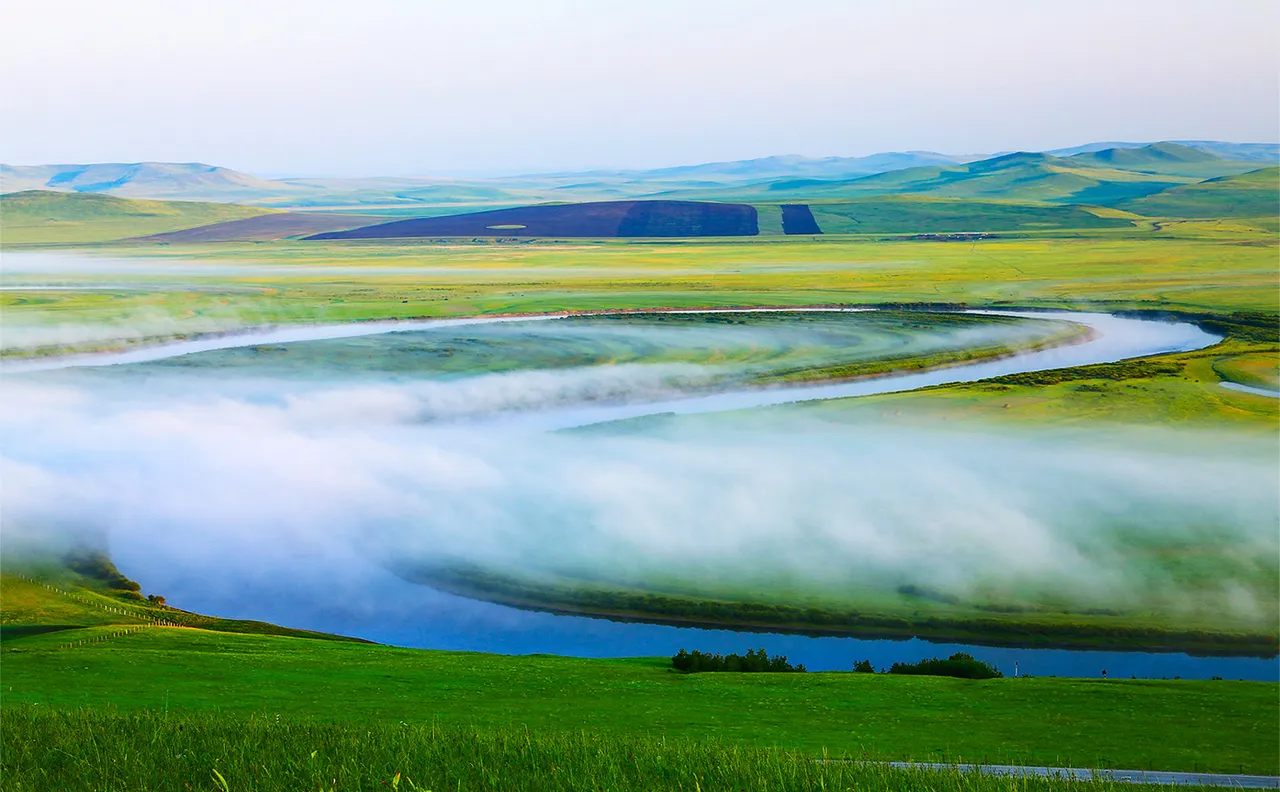
Day two starts early, and the steppe arrives within half an hour. First the rise behind Jinzhanghan for the Morigele bends, morning light from the east stacking shadows along the curves; then into camp for wrestling and archery and a proper bowl of pot tea.
Experienced riders can take an hour into deep grass here, while novices save their saddle time for Heishantou. Two stops close the morning, leaving the whole afternoon to the wetland.
Ergun Wetland: The Formation of Waters
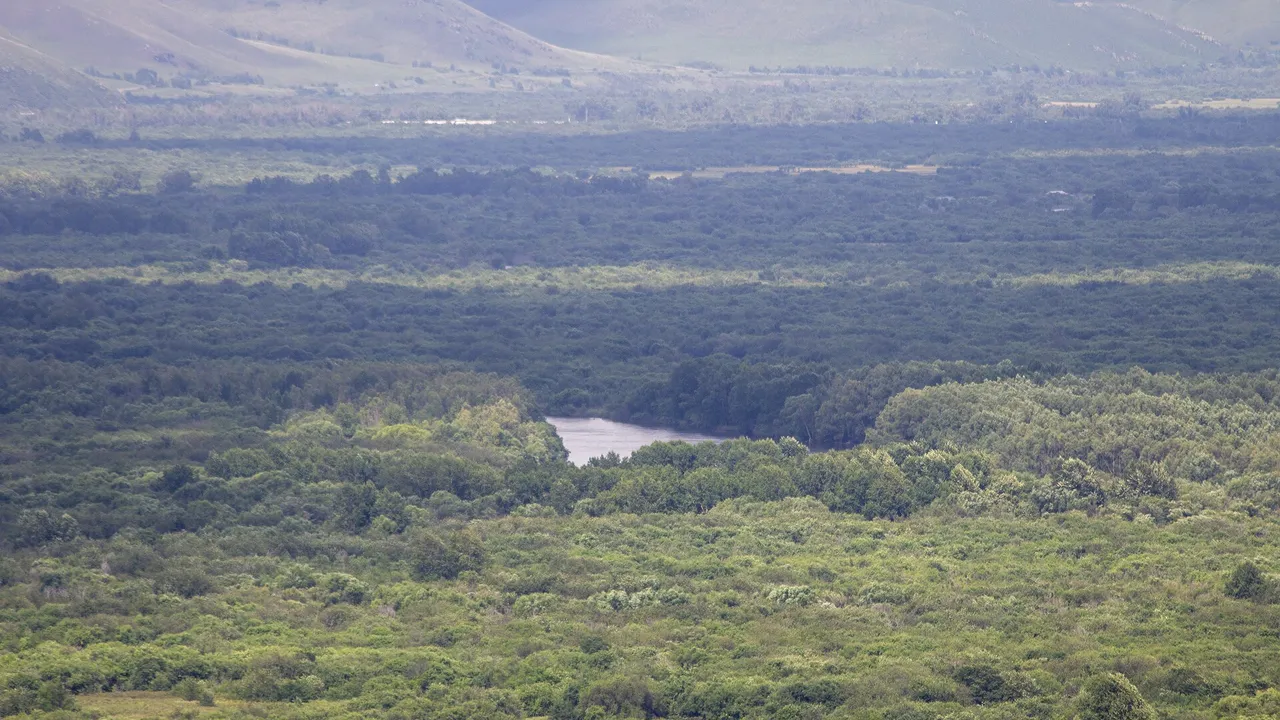
Lunch in Ergun town, then up the wetland deck. The Genhe, Ergun and Hauer rivers braid across the low ground, and reading their slow migrations from the summit is the closest this line comes to a geography lesson. The main deck takes forty minutes on foot.
Photographers can ask for the lower platform and another half hour; everyone else should descend after the main view and bank energy, since Genhe waits tomorrow.
Aoluguya at Genhe: Morning in the Reindeer Tribe
Day three runs north to Genhe, over two hours by car. Aoluguya is the last settled home of China's reindeer-herding Evenki, their herds drifting through moss and birch, most photogenic in summer when the antler velvet still grows. The deer fear nothing; offer a handful of moss and a wet nose pushes into your palm.
The tribe grounds hold birchbark canoes, cone-shaped lodgings and hunter-life exhibits, and the half-hour guided talk is worth it: how this people came down from the mountains is a key to the whole Khingan range. The forest morning stays cool, so keep the long sleeves on.
Back Through Ergun: Wheat Aroma After the Forest
Genhe back to Ergun takes over two hours, and the afternoon bakery is the perfect buffer: watch a batch come out, sit half an hour with black tea and blueberry jam, and bake the forest damp out of your bones. Vacuum-packed lieba keeps a week, so buy two for the road.
Overnight in Ergun town on soup and pot tea; hit the supermarket for a last fruit run, since the village and border days ahead have thinner supply.
Enhe Russian Ethnic Township: A Border-Village Morning
Day four reaches Enhe by mid-morning, a village that belongs to log walls and bread scent: walk the main street slowly, watching plank-house shades change door to door, yard flowers and cucumber frames kept in order. Families with slack can add a home visit and hear the century-old story of crossing the river.
Lunch on soup and lieba in the village, then north to Shiwei after. Enhe's afternoon light photographs best, so leave forty minutes for the lanes before the road calls.
Shiwei and the Border River: Russia Across the Water
Shiwei faces a Russian village across the Ergun, the far bell tower and log cabins visible to the eye. The overlook and riverside path are free, afternoon light silvering the water as horses drink at the shallows, the most photogenic stretch of river on the whole loop.
Twenty minutes of path suffices, and the river wind calls for a layer. Sweep Shiwei's main-street bakery and Russian goods stalls quickly; the real shopping belongs to Manzhouli.
The Heishantou Steppe Road: Dusk on the Southward Run
Leaving Shiwei southbound, the road toward Heishantou is the five days' purest driving: two hours with barely a village, rangeland flooding the horizon from every side. Ask the driver to stop at the best-lit stretch and walk beyond the roadbed for a steppe sunset.
Heishantou is also the loop's finest riding point; if the saddle never happened earlier, tonight fills it, and if it did, watch the homecoming herds from the rise instead. Sleep in Ergun or Heishantou town, with Manzhouli next.
Hulun Lake: A Northern Sea in the Morning
Day five reaches Hulun Lake, where the Xiaohekou ground lines up grass, water and sky in one band. Morning light runs with you, the waves gentler than afternoon; walk the shingle a while and let wind and water gather the five days into one rhythm.
Lakeside fish stew makes a proper brunch, then an hour to Manzhouli. Sight density drops across the final stretch, and eating and street-watching take over the schedule, a fair rest for stomach and legs alike.
Manzhouli's National Gate and Matryoshka Square: The Border Lesson at the Terminus
The finale completes the geography lesson: from the National Gate tower, Zabaikalsk lies across while a crossing freight train drums the low note of a land port, and Matryoshka Square plays the border city's Russian imagination at full volume. The two sit fifteen minutes apart, an hour each.
Evening brings a last Russian dinner downtown and a final price-check through the goods shops. Ride two hours back to Hailar or fly out of Manzhouli's western airport directly, and five days of Hulunbuir end at the platform.
| Getting around |
|
| Budget | Five-day charter RMB 3000-4000 per car, tickets RMB 350-500 combined, four nights RMB 800-1600; the whole trip about RMB 2500-3800 pp for two sharing. |
| Best time | June to September: peak green in July, haymaking and wheat in August, golden quiet in September; the reindeer tribe opens year-round and wears winter well. |
FAQs
What should a five-day charter cost, and how to avoid overpaying?
In season, RMB 3000-4000 for a sedan and 4000-5200 for a seven-seater van is the rational band, including fuel, tolls and the driver's board. Write the clockwise route, every stop and all dirt segments into the itinerary sheet, because verbal promises do not count. Quotes far under the band usually recoup via shopping stops, paid add-ons and detours, so pay a few hundred more and sign a proper contract.
How should tickets and activities be booked across five days?
The wetland about RMB 65, Aoluguya 30-60, the National Gate 70, Matryoshka Square 100-150, most overlooks free, all per posted prices. The real advance bookings are experiences, not tickets: the reindeer tribe's morning slot, the Enhe family visit and Heishantou riding, arranged via driver or guesthouse a day or two ahead; and in season, book Ergun and Enhe lodging a week out in the same breath.
Which day is the hardest, and how can it be eased?
The Shiwei-Heishantou-Manzhouli day is longest at roughly five hours of driving. Three fixes: split Heishantou into a riding-plus-homecoming half day, add a night in Ergun or Heishantou town mid-route, or cut Hulun Lake and take the trunk road into Manzhouli. Conversely, with energy to spare, gift the saved hours to Genhe and give Aoluguya an extra half day.
How much luggage for five days, and what is the gear list?
One 24-inch case plus a backpack is the ceiling, since hotels move daily and smaller means easier. The list: layered clothing, the sun trio, grippy shoes, insect repellent, common medicines, a power bank and car charger, offline maps; add heat packs and light down in shoulder seasons, and rain gear always. Keep RMB 300-500 cash, since QR rules everywhere but herder homes and village stalls occasionally want notes.