
Manzhouli is China's largest land port, and its shopping map is essentially a map of Russian goods: confectionery, honey and kvass, matryoshka dolls and amber, furs and military watches, from bulk wholesale in the trade zone to small downtown retailers, with price gaps up to thirty percent. The day's spine is comparison: learn the floor price in the trade zone, then buy back downtown.
Chartering from Hailar takes about two hours each way; a day return works, though a night lets you catch the city lights. Three rules: check Chinese labels and quarantine marks on imported food, skip amber and jade without the eye to judge, and ship big hauls home instead of hauling them.
Itinerary at a glance
| 09:30 | The China-Russia Mutual Trade Zone: First Stop and Floor Prices |
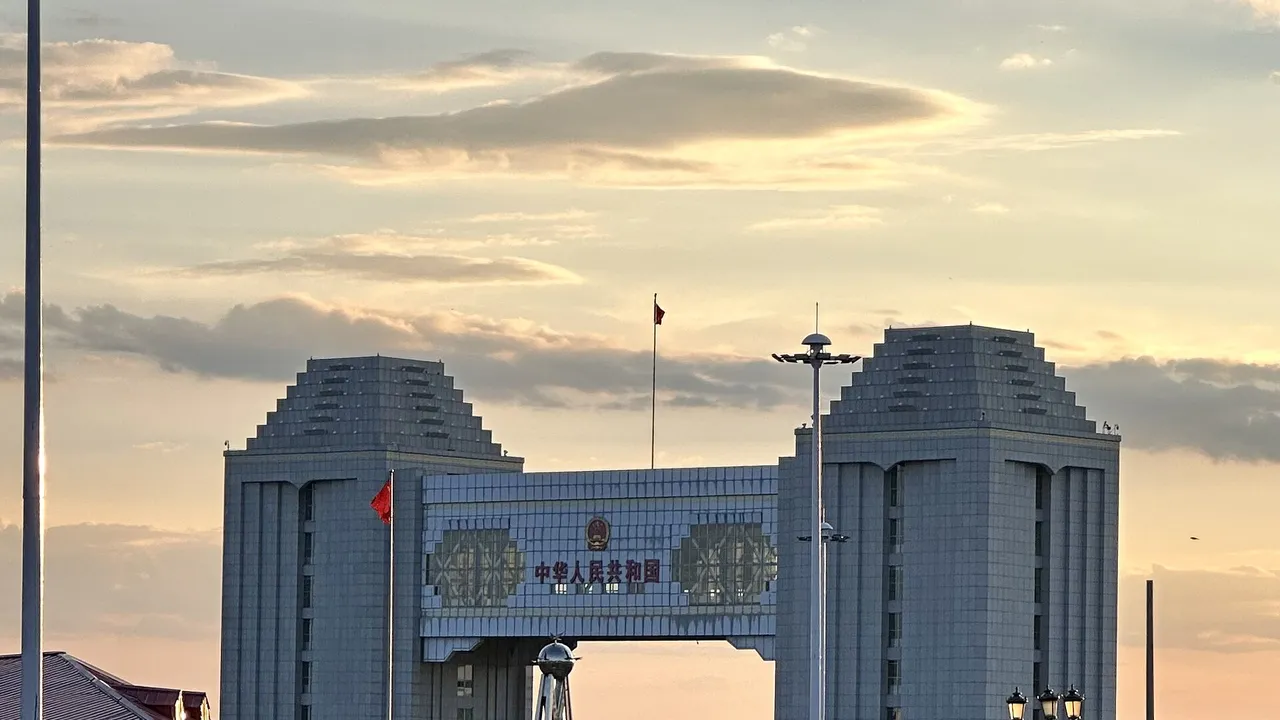
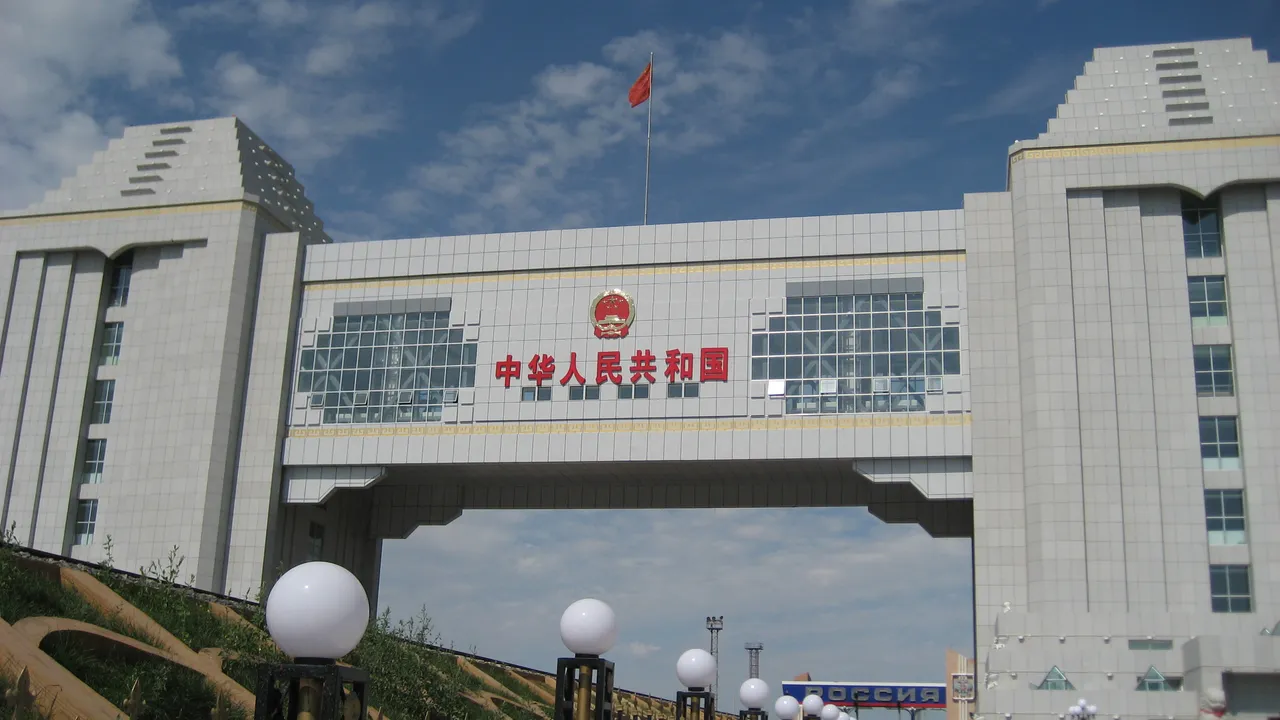
| 11:30 | Manzhouli National Gate Scenic Area: Tickets and Vistas on the Border Line |
| 14:00 | Matryoshka Square: Cultural Goods, Rides and a Russian Building Set |
| 16:30 | Downtown Russian-Goods Shops: The Price Check and the Missing Pieces |
The route, stop by stop
The China-Russia Mutual Trade Zone: First Stop and Floor Prices
The trade zone is Manzhouli's price anchor: Russian confectionery, chocolate, flour, honey and sunflower oil sold by the case at wholesale and retail, usually one to three tenths cheaper than downtown. The Russian-style honey cake and purple-wrapper sweets are the two stars; buy by the box and vendors volunteer discounts, but first walk the whole floor noting quotes.
The zone's deeper value is learning to tell the genuine: proper imports carry Chinese back labels and quarantine marks, so eye suspiciously loose goods at too-low prices. Many vendors haggle in simple Chinese; leave two hours for the comparison pass.
Manzhouli National Gate Scenic Area: Tickets and Vistas on the Border Line
The National Gate area neighbors the trade zone within walking distance, slotting neatly after the morning sweep. From the gate tower you look across at the rail yard and water tower of Zabaikalsk on the Russian side, the transborder railway running underfoot; when a freight train crosses, the whole tower trembles, a live lesson in what a land port means.
Inside are the boundary marker and Peace Square, best photographed with afternoon light behind you. The shopping-day logic holds another reason: the small market between the zone and the gate sells cold drinks and kvass, a fair resupply point when legs tire.
Matryoshka Square: Cultural Goods, Rides and a Russian Building Set
Matryoshka Square is Manzhouli's most photogenic ground: the themed complex scales the nesting doll into buildings, with giant doll sculptures and onion-domed churchlike facades composing a full Russian stage set. Cultural shops line the main building's ground floor, doll magnets, chocolate gift boxes and hand-painted wooden figures in three price tiers; on a budget, buy small.
The park includes rides and a show theater, worth two hours for families; pure shoppers clear the ground-floor goods in one. Afternoon light sets the golden domes glowing, so photographers should linger.
Downtown Russian-Goods Shops: The Price Check and the Missing Pieces
By evening, return downtown where the shops around Zhongsu Street serve as the final price check: the floor quotes you noted in the trade zone earn their keep here, and downtown wins on pretty packaging and small quantities, ideal for gift-sized pieces. Amber, beeswax stone and furs cluster in the big street-front stores; without an expert companion, look and walk.
For dinner, the local Russian restaurants set the table: borscht, braised beef in a pot and kvass as the standard trio, RMB 60-100 a head. Afterward the main street lights up, and Manzhouli's nights rank high among border towns, so give the day's last hour to the street.
| Getting around |
|
| Budget | The Gate about RMB 70, Matryoshka Square RMB 100-150; shopping swings wide, from tens of yuan for sweets to thousands for furs and amber, while RMB 200-500 covers most souvenirs. |
| Best time | Year-round, with winter snow as a bonus if you dress for it; weekends crowd the trade zone, so weekdays leave room for price-checking and haggling. |
FAQs
What is the cheapest way from Hailar to Manzhouli for shopping?
For two or more, a same-day round-trip charter wins, splitting to a couple hundred yuan each with steppe views thrown in; solo travelers should take the train or bus, several daily between Hailar and Manzhouli at two to three hours each. The shopping itself stays inside Manzhouli's downtown and port district, so a short local charter on arrival covers it without a full-day hire from Hailar.
Do the National Gate and Matryoshka Square need booking?
The National Gate runs about RMB 70 and Matryoshka Square about RMB 100-150; walk-up tickets exist on normal days, while online purchase spares the queue on peaks and holidays. Neither requires real-name ID, and foreign passports buy at windows or online equally. Show schedules follow the day's notice, so enter in the afternoon if you want the performance included.
Trade zone or downtown shops, how to choose?
Bulk and personal stock go to the trade zone, where whole boxes of sweets, flour and cooking oil undercut downtown by ten to thirty percent; polished gift-sized pieces belong downtown, where packaging is finer and small quantities possible. The safest order is noting floor prices in the trade zone in the morning and buying downtown in the afternoon, returning to the zone for any category with a gap above thirty percent, which often saves the price of a ticket by day's end.
What picking and limit rules apply to Russian goods?
For imported food, insist on Chinese back labels and quarantine marks and skip unlabeled loose goods; leave amber and beeswax stone alone without a trained eye; ask for quarantine certificates on furs. Departing travelers should mind each country's import limits, and most countries ban meat and egg products entirely, so check destination customs rules before flying and keep every receipt for inspection.