
The shopping risk here is less fakery than markup and sameness: gate-side standard goods run thirty percent above town, and every market in China sells the same pseudo-Tibetan silver. The day works in layers, edibles from proper supermarkets and the mall, crafts from the ancient town and heritage workshops with the maker's name, and only cheap fun trinkets at the market.
Budget discipline beats routing. Three rules: read ingredient lists and dates on food, choosing jerky with coarse muscle fiber and little sweetener; buy silver by gram weight, weighed in front of you; and if you cannot authenticate thangka or antiques, buy them as prints and decoration. Souvenirs carry sentiment, not investment value.
Itinerary at a glance
| 09:00 | Jiuzhaigou Tourist Shopping Center: The Legitimate Baseline |
| 11:00 | Jiule Commercial Plaza: The Town's Living Map |
| 14:30 | Jiafan Ancient Town Streets: Crafts with Provenance |
| 19:30 | Jiuzhai Night Market: Bargaining Practice and Small Wins |
The route, stop by stop
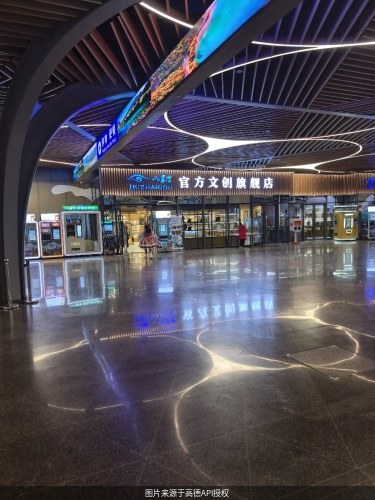
Jiuzhaigou Tourist Shopping Center: The Legitimate Baseline
Beside the park gate, this is where you buy the standard answers: licensed cultural goods, clearly priced yak jerky and barley products, well-packed herbs, at the region's price ceiling but with authenticity and return policies. Doing it first establishes a price baseline for judging discounts elsewhere.
Three things worth the legitimate channel: safflower and fritillary bulb for elders (check the inspection marks), fresh yak products with fragile shelf life, and gift boxes needing uniform packing. For T-shirts and fridge magnets, the supermarket downstairs is cheaper.
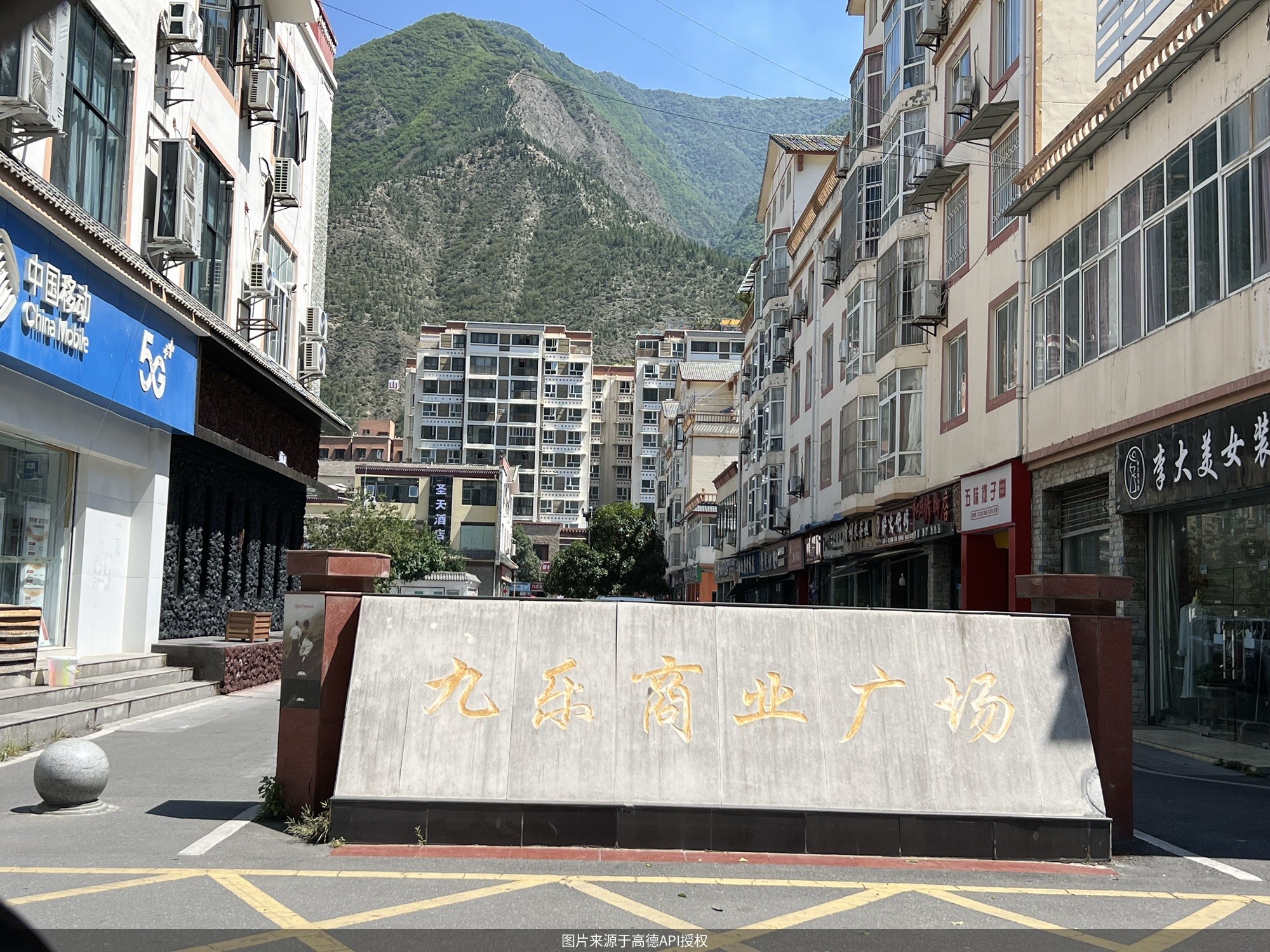
Jiule Commercial Plaza: The Town's Living Map
Jiule is where Zhangzha locals actually shop: supermarket, pharmacy, outdoor stores, budget clothing and food courts together, pricing at town rates rather than scenic-area rates. Gear top-ups are cheapest here; against the fierce ultraviolet, proper sunglasses and a sun hat cost half the gate-side price.
Lunch happens in the plaza's food court at about RMB 30 a head for local fast plates. Supermarket water prices stay normal, so buy all drinking water and trail food here before the valley and save half.
Jiafan Ancient Town Streets: Crafts with Provenance
The afternoon town rewards a checklist: silver shops let you watch the master chase patterns and quote by gram weight; thangka stores split prints from hand-painted works, small mineral-paint pieces starting a few hundred yuan with the artist's signature and certificate; wool scarves and incense are safest from named workshops, a touch pricier but gift-worthy.
Bargaining room runs about ten percent; fixed-price shops move little, so ask lead times on custom work, most small pieces same-day, larger ones shipped. Shops readily arrange couriers; demand wooden crating for fragile pieces on the spot.
Jiuzhai Night Market: Bargaining Practice and Small Wins
The craft rows are the shopping day's informal encore: wool coasters, bead strings, yak-bone bookmarks, handmade soap, tens of yuan each, bought for atmosphere and texture. Open at seventy percent and climb; a laughing shake of the head means add a little. Trinkets raise no authenticity issues, only worth-it questions.
Close with an inventory: vacuum seals and dates on food, receipts and gram slips on silver, padding on fragile goods. Market stalls take no returns, and impulse peaks at day's end, so hold the rule: buy a ten-yuan joy, skip a hundred-yuan hesitation.
| Getting around |
|
| Budget | Souvenir budgets swing from RMB 50 yak jerky to silver in the thousands; most travelers do it well within RMB 300-600. |
| Best time | Any season; weekday mornings stock fullest, and market stalls start conceding after 8 pm. |
FAQs
How do I pick yak jerky without getting burned?
Three checks: the ingredient list leads with beef, not soy protein; the fiber, real jerky tears into long crooked strands while overly uniform pieces signal pressed meat; and the taste, heavy sweeteners and harsh chili essence warrant caution. Packaged goods from proper supermarkets are safest, and loose stalls only with visible scales.
Can I buy Tibetan ornaments at the market and town? Any fake silver risk?
Yes, with the right expectations: tens-of-yuan market Tibetan silver is usually cupronickel alloy, perfectly fine as decoration, not as silver. Real silver lives in town shops that quote by weighed grams, allow re-weighing and issue receipts, priced to the day's silver rate. The rule is simple: those who dare to weigh by gram and invoice are generally trustworthy.
How big is the price gap between the scenic area and town?
Standard goods and food run twenty to forty percent apart, with the gate mall the ceiling and the county supermarket the floor; licensed cultural goods differ less since pricing is uniform. The sensible split: licensed creative goods and emergencies at the scenic area, real provisioning at Jiule's supermarket, collectible crafts in the ancient town and workshops.
Can jerky and herbs fly or ride the rail home?
Domestic checked baggage generally accepts vacuum-packed meats while international flights mostly ban meat imports, so skip jerky gifts for overseas friends; most herbs check through, though animal-derived ones need a check of destination rules. Rail has no sealed-food limits, and shelf-stable carton butter tea travels best. In doubt, buy tea, barley goods and design items, all zero-risk.