
The right way into Lanzhou is on foot: the river cleaves two parallel bank roads, with sights strung along them like buttons. From Lanzhou Old Street to Baita Hill the line runs about six kilometers, a comfortable half-day or more at an easy pace.
This walk chases three Lanzhous, not a checklist: the commercial one in the antique-style lanes, the lived-in one on the riverside greenbelt, and the mountain-and-river one from the hilltop view. A bowl of niangpi and a cableway crossing pace the day for both feet and appetite.
Itinerary at a glance
| 09:00 | Lanzhou Old Street: An Antique-Lantern Opening |
| 11:00 | The Yellow River Mother and the Riverside Greenbelt |
| 13:30 | Zhongshan Bridge and Zhangye Road |
| 17:00 | The River Cableway and Baita Hill at Dusk |
The route, stop by stop
Lanzhou Old Street: An Antique-Lantern Opening
Lanzhou Old Street is a recently restored antique-style quarter: linked eaves glowing like a temple fair by night, hushed enough at dawn to hear the sweeping. Its layout echoes the old city's lanes, with archways, an opera stage and water features unrolling in sequence, a calm opening that leaves downtown noise behind.
Shops open slowly in the morning, so save the buying for the return. What rewards the eye are the architectural details and riverside ferry sculptures; across one road sits the Gansu Bamboo Slips Museum, easy to book for the afternoon if museums pull you.
The Yellow River Mother and the Riverside Greenbelt
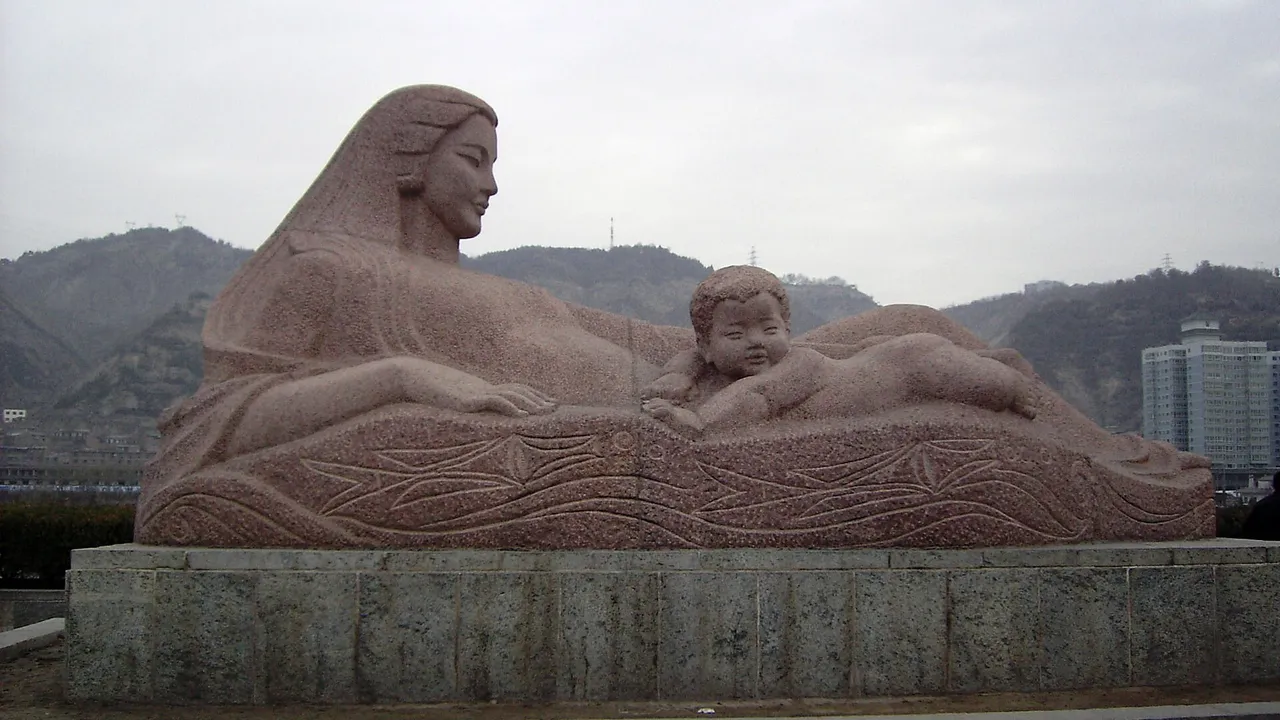
Walk two kilometers east along South Binhe Road and you reach the Yellow River Mother, the best-kept stretch of the city's riverside greenbelt. Willow shade covers half the path, anglers and diabolo spinners claim the embankment, and the river runs so placid here you would never guess its wild reputation.
The statue draws a constant ring of group photos; wait for a gap between tour groups for a clean frame. On the lawn behind it locals sunbathe on mats, the city's everyday attitude toward its river: not a pilgrimage, just a piece of life.
Zhongshan Bridge and Zhangye Road
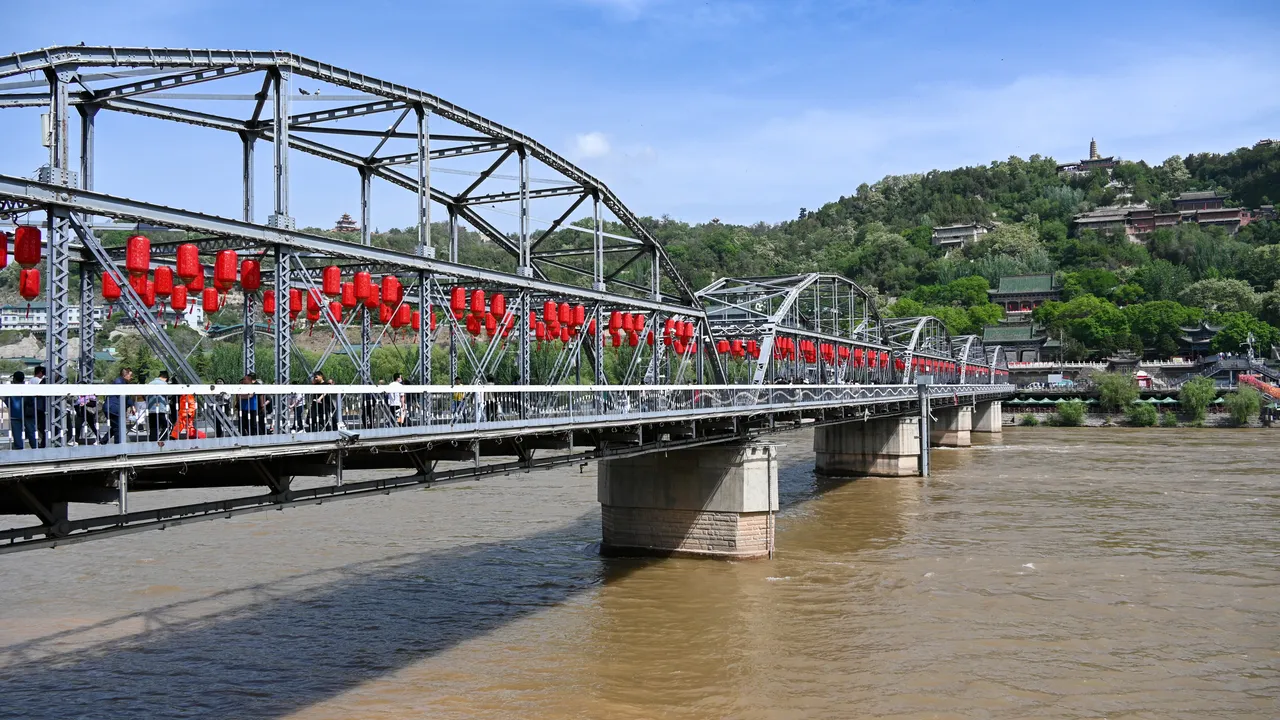
Farther east stands Zhongshan Bridge, where the route turns into the city's lived-in hum. South of the bridge, Zhangye Road is the town's veteran shopping street, old names and new shops shoulder to shoulder; duck into Dazhong Lane beside it, a web of alleys holding Lanzhou's densest cluster of heritage snack shops, ideal for lunch.
The famous stalls queue at noon: a bowl of grey-bean soup, stir-fried noodle sheets and a baked flatbread run thirty to forty yuan a head. Afterward wander the side alleys to digest, where little shops sell groceries and hand-pressed vinegar, the truer old town behind the shopping street.
The River Cableway and Baita Hill at Dusk
Return to the north end of Zhongshan Bridge by evening and ride the cableway across. The car glides over the river in minutes, the bridge and the brightening city in view; the upper station lands on Baita's flank, and twenty more minutes of steps reach the summit right at sunset.
Dusk from the top closes the walk: the sun drops behind the western hills, the city's lights come on layer by layer, and the river turns into a glowing ribbon. Skip the return car and descend the steps straight to the bridgehead in about twenty minutes, arriving as the night bridge lights up.
| Getting around |
|
| Budget | Mostly free sights with meals at RMB 50-100 pp; the one-way cableway is about RMB 30, so costs stay tight. |
| Best time | April to June and September to October suit an all-day walk; in summer dodge the scorching bank at noon and keep the greenbelt for morning or dusk. |
FAQs
With only half a day, what gets cut from this walk?
For the half-day version, start at the bridge: walk the greenbelt to the sculpture, lunch in Dazhong Lane, then take the cableway up Baita Hill for dusk. You drop the old-street segment, keep every core experience, and compress the distance to just over three kilometers.
Do Baita Hill and the cableway need tickets or reservations?
The park is free with no booking, and cableway tickets sell on site, usually queue-free apart from holiday afternoons. If you add the Gansu Bamboo Slips Museum, that one does need real-name booking on its official account, so reserve the day before.
When is the best time for this walk?
Spring and autumn suit an all-day walk. In summer avoid noon: walk the river stretch at dawn or dusk and spend midday indoors shopping. Winter brings a hard river wind, so carry a windproof layer by day and hat and gloves for the colder summit at dusk.
Any photo-spot tips along the way?
Three frames earn the walk: backlit archways on the old street at dawn, the deep perspective of the greenbelt before the sculpture in the afternoon, and the lit bridge shot from Baita's summit at sunset. For the bridge itself, view it from the north bank by Jinchengguan for the fullest composition.