
Lanzhou is easy to map: the Yellow River splits the city in two, and nearly every sight hangs on the riverbank roads. Spend the day following the water, crossing at Zhongshan Bridge in the morning, reaching the Yellow River Mother before noon, the waterwheels in the afternoon, and Baita Hill at dusk.
The route is mostly walking, about three kilometers between the bridge and the sculpture, at an unhurried pace. Raft rides and the river cableway slot in along the way, with meals in Dazhong Lane or Zhengning Road, so the day covers hills and water without skipping noodles.
Itinerary at a glance
| 08:30 | Zhongshan Bridge: Morning on the First Bridge over the Yellow River |
| 10:30 | The Yellow River Mother and a Sheepskin Raft |
| 13:30 | Waterwheel Park: Machines That Lifted a River |
| 16:00 | Baita Mountain Park: The River City from Above |
The route, stop by stop
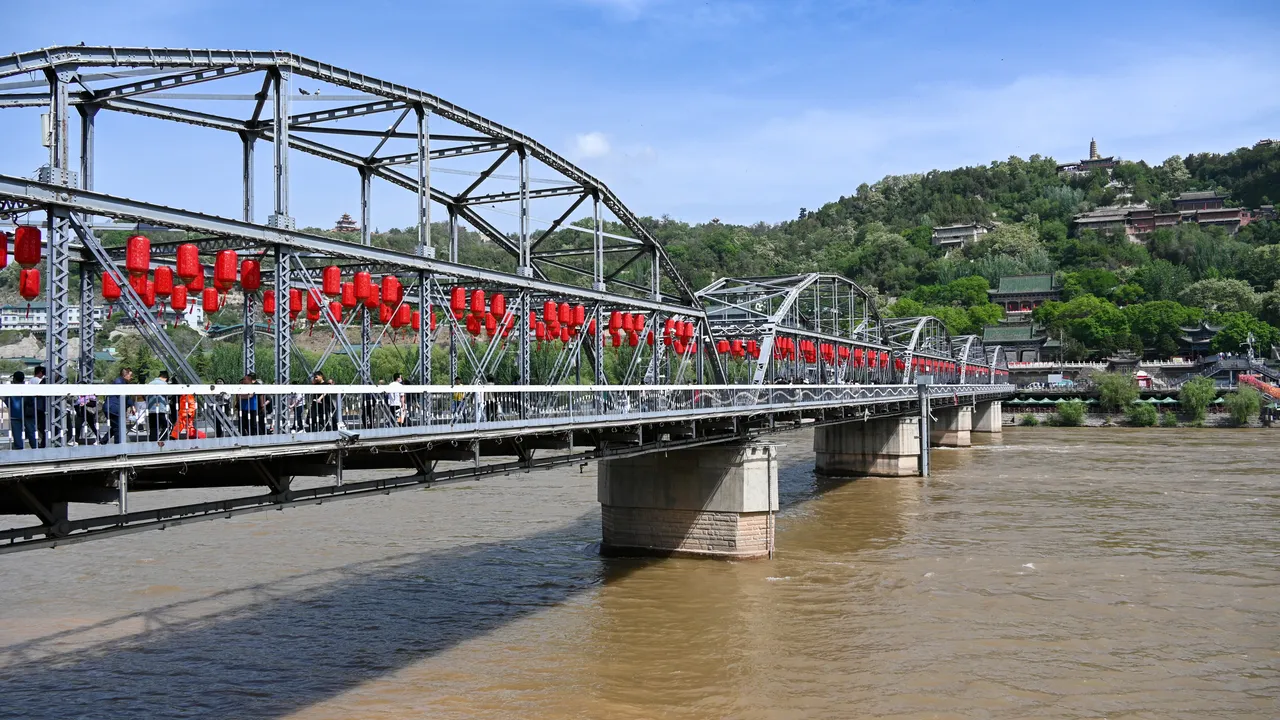
Zhongshan Bridge: Morning on the First Bridge over the Yellow River
Built in the late Qing years by a German contractor, Zhongshan Bridge was the first permanent iron bridge over the Yellow River and is now pedestrians only. In the early morning the deck is quiet; look north from mid-span and Baita Hill sits squarely on the bridge axis, the city's signature postcard.
The bridge wears two faces: gray-blue water and morning exercisers at dawn, a full string of lights and folk musicians singing northwest huar at night. Cross north to the Jinchengguan culture block, or step south into the old town.
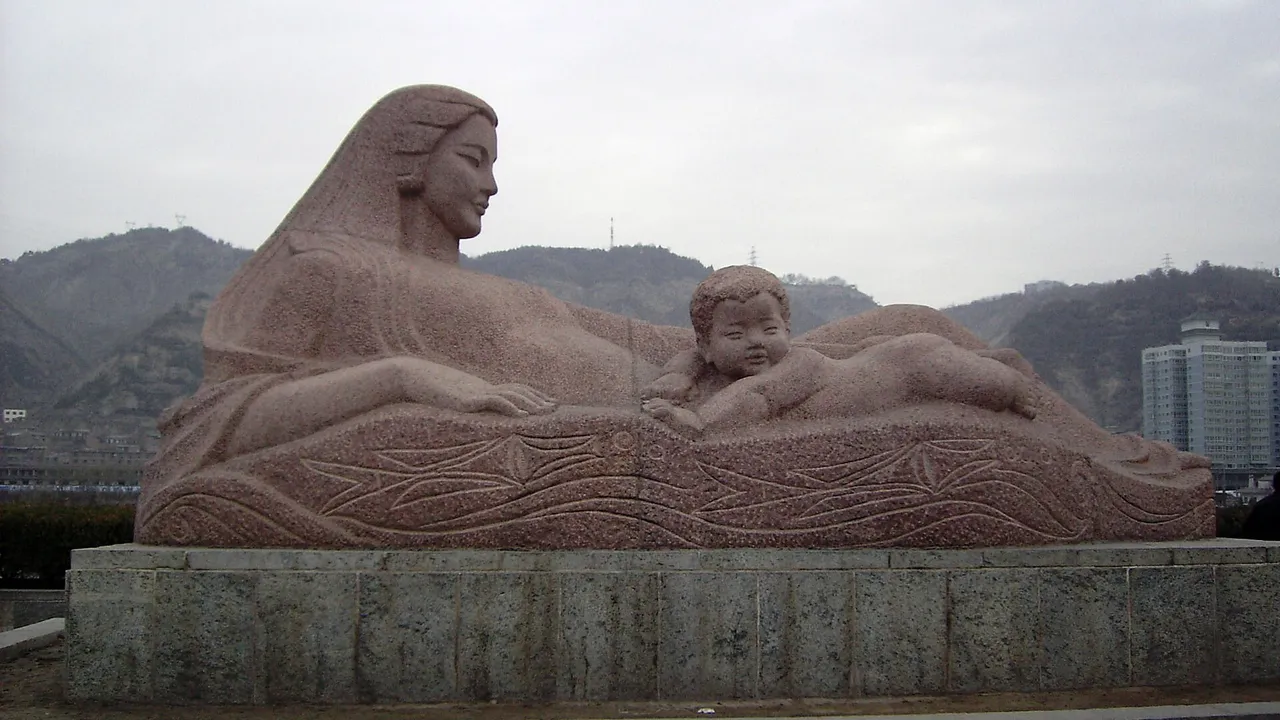
The Yellow River Mother and a Sheepskin Raft
The Yellow River Mother, unveiled in the 1980s, shows a reclining mother with a child at her side, the most famous figure on the riverbank greenbelt. The real prize is the walkway itself: willow shade, river wind, joggers, chess players and sketchers, all of them local daily life.
Decide here whether to take to the water: rafts and speedboats dock near the sculpture's jetty. A raft is built from whole sheepskins, a dozen inflated skins lashed under a timber frame, and the boatman poles it downstream for a quarter hour toward the bridge, the river's oldest ferry craft.
Waterwheel Park: Machines That Lifted a River
Lanzhou's waterwheels came from the south with the Ming-era figure Duan Xu, and at their height hundreds lined the river as the farmland's lifeline. The park rebuilds that history in full: wooden wheels more than ten meters tall turning with the current, plus a water mill and flumes, a working lesson in old irrigation.
The grounds stretch along the river and entry is free. Eastward the greenbelt continues toward the sports park, while the bridge is half an hour back on foot, an ideal pre-lunch stroll. Kids linger longest at the turning-wheel demonstrations.
Baita Mountain Park: The River City from Above
Baita Hill rises due north of the bridge, named for the white pagoda on top and ranked as the first viewpoint over Lanzhou. Neat steps climb about forty minutes, with pavilions for rests; from the summit the river cleaves the city in two and the bridge lies at your feet, with both mountain ranges visible on clear days.
The pagoda honors a Mongolian lama by legend, its present body a Ming-era rebuild. The free park doubles as the locals' backyard, shared by exercisers, opera singers and tea drinkers. Descend at dusk and glance back at the lit bridge from mid-slope, the ten best minutes of the day.
| Getting around |
|
| Budget | All sights are free; meals plus experiences run about RMB 150-300 pp, and the raft or cableway each add RMB 80-120. |
| Best time | May to October works best, cool in summer and autumn; mornings are quiet on the bridge with the best light, and Sundays bring crowds along with the liveliest local flavor. |
FAQs
Is a four-stop day tiring? Do I need rides in between?
Not really. The four stops line up along the river within walking distance; only Baita Hill demands forty minutes of stairs. When legs fail, buses run thick along the bank for any stretch, saving your strength for the summit.
Do the raft and the cableway need advance booking?
Neither needs booking; buy on site. Rafts operate May to October and the cableway year-round, pausing only in heavy wind or rain. In peak season go in the morning, since afternoon queues drag and the light turns harsh for photos.
Which season suits Lanzhou best?
May through October is the comfortable window, since Lanzhou summers run genuinely cool and autumn is crisp. April can be dusty, while winter is damp-cold but nearly empty, with hot winter-pear soup and frozen soft pears in season for their own charm.
Any etiquette for eating beef noodles in Lanzhou?
Three rules: the first-pot broth between seven and nine tastes best and thins after noon; buy your ticket at the counter first and carry the bowl to any free seat; chili oil and garlic sprouts are free personal choices, so say less-spicy if you must, though locals default to extra.