
Lanzhou runs on a strict taste timetable: first-pot beef noodles at seven, niangpi at ten, hand-grabbed mutton at noon, and a late bowl of milk-and-egg jiuzao on Zhengning Road. This line skips the sights entirely and follows the meal clock, completing the city's flavor order in one day.
Everything happens between Chengguan and Qilihe, chained by metro line 1 plus walking, with digestion gaps built between the four sittings. The only advice: start hungry, because the density of Lanzhou snacking is a genuine test of stomach.
Itinerary at a glance
| 07:30 | First-Pot Beef Noodles: The City's Wake-Up Call |
| 10:30 | Niangpi and Tianpeizi: The Mid-Morning Intermission |
| 13:00 | Hand-Grabbed Mutton: The Noon Main Event |
| 18:30 | Zhengning Road Night Market: The Jiuzao Finale |
The route, stop by stop
First-Pot Beef Noodles: The City's Wake-Up Call
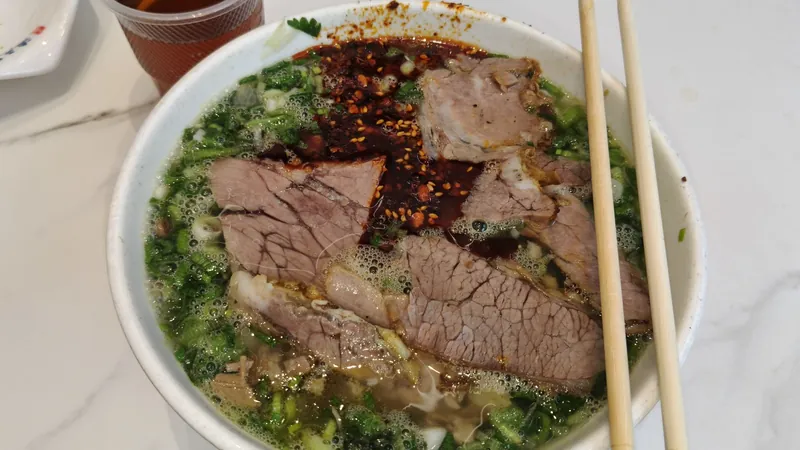
Settle the naming first: locals say beef noodles only, never hand-pulled noodles. The formula runs clear broth, white radish, red chili, green garlic sprouts and cilantro, bright yellow noodles. The first pot of the day, simmered overnight, is the richest, and 7:00 to 8:30 is the golden window.
Buy a ticket at the window first, then carry your bowl to any seat; that is Lanzhou's order. Noodle styles run from hair-thin maoxi through erxi and sanxi to leaf-wide and broad jiuye, each with loyalists. Chili oil and garlic sprouts are free personal options; locals default to extra, visitors can order light, and nobody blinks.
Niangpi and Tianpeizi: The Mid-Morning Intermission
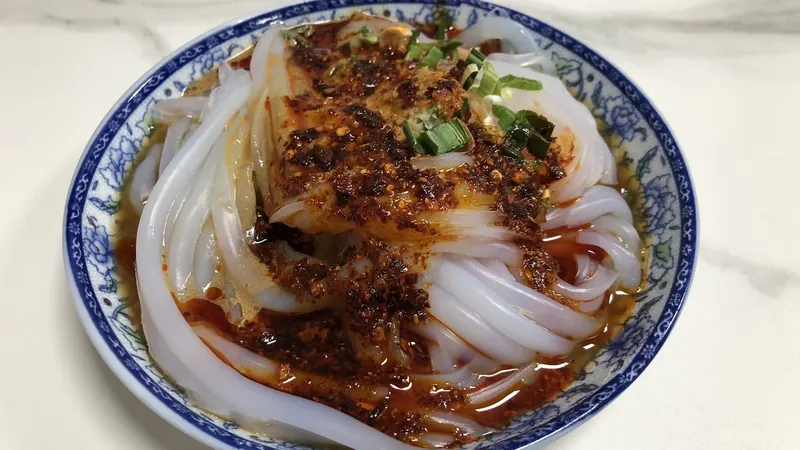
Half past ten is the gap between morning noodles and lunch, and niangpi owns it. Two schools share the name: water-washed niangpi, thin and springy, cut into strips and dressed with hot chili oil, garlic juice and sesame paste; and gaodan niangpi, un-washed and thick-chewy, somewhere between cold skin and noodle. The rival old shops have faced off across a few streets for decades.
Do not fill up at the intermission: split one niangpi between two, then add tianpeizi, oat fermented to a sweet brew, or huizuozi, a thick sweet soup of parched peas and jujubes. Both are legacy desserts for a few yuan, built for between-meal cravings.
Hand-Grabbed Mutton: The Noon Main Event
Noon belongs to a proper mutton sitting. Lanzhou's shouzhua uses local lamb, poached in clear water with only ginger and Sichuan pepper, chopped at the bone and dipped in pepper salt or garlic vinegar, all about the meat's own tenderness. Beyond the plain style, there is braised huangmen with glass noodles, the city's guest-honoring dish.
The standard kit is a plate of raw garlic and a sanpaotai covered bowl of tea: leaves, longan, jujubes, goji and rock sugar steeping slowly in boiling water, cutting the richness while refilling all afternoon. Two people start with a jin of meat plus two steamed rolls, the local default.
Zhengning Road Night Market: The Jiuzao Finale
After dark, head for Zhengning Road. The street's signature sweet is milk-and-egg jiuzao: boiling milk poured over beaten egg, then jiuzao rice brew with raisins, peanuts and sesame, layers of dairy, gentle booze and nut crunch in one bowl. Drunk hot, it formally closes the day's marathon.
The market's backbone is grill and local snacks: lamb skewers, roasted trotters, offal soup, with stir-fried noodle sheets and fried sugar cakes for starch. If one corner of the stomach remains, give it to huizuozi, thick and warm, and the walk back to the hotel doubles as digestion.
| Getting around |
|
| Budget | Grazing all day costs about RMB 100-180 pp; adding a proper mutton meal raises it by RMB 60-120. |
| Best time | Year-round; noodles peak between 7:00 and 8:30 while the night market fills only after 7 pm, so time both ends. |
FAQs
Does a day of eating mean lots of running around?
No. All four sittings sit downtown, most hops one metro stop or a quarter-hour walk, under eight kilometers for the whole day. The real task is stomach management: half portions of everything beat finishing each dish and rushing the next.
Do these places take reservations or force queues?
None take reservations; timing is everything. Dodge the eight o'clock and noon peaks for noodles and niangpi, remember famous mutton houses sell out of select cuts after 13:30, and the night market warms up after seven. Weekends run tighter; weekdays are mostly walk-in.
One proper meal only: what best represents Lanzhou?
Beef noodles. They are the city's single point of consensus, compressing broth standards and noodle-and-chili craft into one bowl. Hand-grabbed mutton is fine too, but good shops turn tables fast enough to fit a casual meal, so nothing conflicts.
What if I cannot handle chili or have a weak stomach?
Chili is controllable in beef noodles: say light or none when ordering, and halve it on niangpi. Sensitive stomachs should skip iced drinks on an empty stomach, drink huizuozi hot, and order skewers well done. The line's heat runs mild for the northwest, a notch below Sichuan or Hunan.