
Gansu is a titan of archaeology, and Lanzhou condenses the province's highlights into three museums: the provincial museum with the bronze galloping horse and Majiayao pottery, the slips museum with two-thousand-year-old frontier letters, and the city museum with the White Robe Temple pagoda. One day across all three reads the Hexi Corridor in chronological order.
The day hinges on one word: reservations. All three are free but require real-name booking; the provincial museum is tightest, the slips museum next, and the city museum takes walk-up registration. Order the day by booking difficulty, provincial in the morning, slips at midday, city museum and Five Springs Hill in the afternoon, and nothing jams.
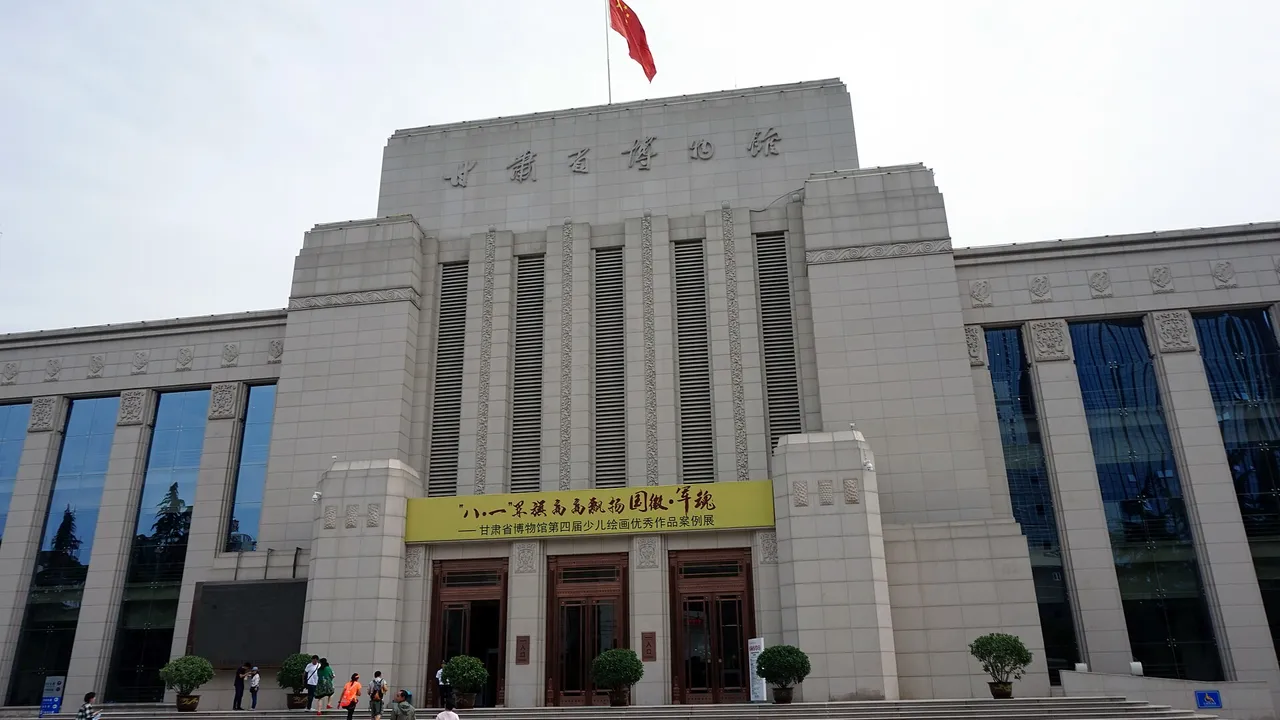
Itinerary at a glance
| 09:00 | Gansu Provincial Museum: The Bronze Horse and Majiayao Pottery |
| 12:30 | Gansu Bamboo Slips Museum: Frontier Letters from Two Millennia Ago |
| 15:00 | Lanzhou Museum and the White Robe Temple Pagoda |
| 16:30 | Five Springs Hill Park: Ancient Springs and Ming-Qing Halls |
The route, stop by stop
Gansu Provincial Museum: The Bronze Horse and Majiayao Pottery
The provincial museum's icon is the Bronze Galloping Horse, the horse treading on a flying swallow that became China's tourism symbol: an Eastern Han work, three hooves airborne and one on a bird, unearthed at Leitai in Wuwei. The Silk Road gallery strings the Hexi Corridor along a timeline, from painted pottery through bamboo slips to camel-train figurines, two hours for a full frontier history.
Second on the list is the pottery: Majiayao jars whose swirling lines still flow after four thousand years, the summit of prehistoric art. Do not miss the Courier brick relief, a galloping messenger with all features erased except the mouth, the prototype of China Post's emblem.
Gansu Bamboo Slips Museum: Frontier Letters from Two Millennia Ago
Gansu has yielded more Han-dynasty slips than any province, with Xuanquanzhi and Jianshui Jinguan holding the majority of survivors. This dedicated museum lays out two-thousand-year-old frontier daily life: soldiers' letters home, border-crossing permits, warehouse ledgers, script small as grains of rice yet vivid as yesterday's messages.
The great pleasure here is reading the letters: one soldier asks a comrade to buy shoes, another reports he is safe, the grain and firewood of the Han frontier lined up in glass cases. The halls are modest; two careful hours outshine many bigger provincial museums.
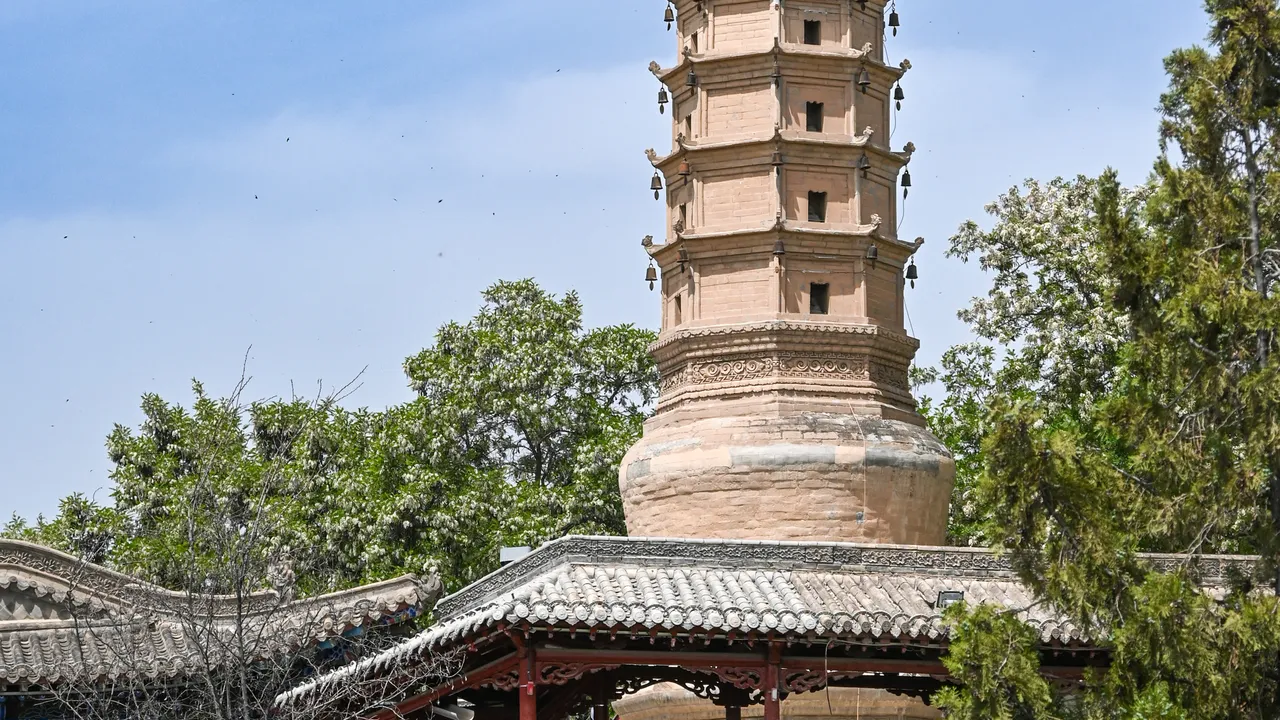
Lanzhou Museum and the White Robe Temple Pagoda
The city museum hides in the White Robe Temple courtyard on Qingyang Road, thin on crowds; its most photogenic pieces are the pagoda and the Ming-era Bodhisattva Hall, brick corbels and wind chimes intact. The permanent show traces local history from Majiayao to the Ming and Qing, modest in size but clean in structure.
After the provincial museum's national-treasure density, an hour here digesting works well: gold, porcelain and Buddhist figures from local digs in chronological order, plus a quiet courtyard to rest beneath the pagoda, the loosest hour of a museum day.
Five Springs Hill Park: Ancient Springs and Ming-Qing Halls
Five Springs Hill takes its name from five springs and a legend: the Han general Huo Qubing, short of water on campaign, struck the rock with his whip and five springs burst forth. Whatever the truth, the Ming-Qing building complex is genuinely lovely, Chongqing Temple and the Vajra Hall rising along one axis under heavy old trees.
By evening the hill belongs to locals: chess in one corner, opera in another, strollers everywhere, with teahouse stands under the shade offering sanpaotai with free refills. From the high terraces the city spreads along both banks of the river, an expansive coda to a museum day.
| Getting around |
|
| Budget | All three museums are free with booking; budget about RMB 50-150 pp for meals and transport, plus RMB 15-30 for a teahouse stop on Five Springs Hill. |
| Best time | Year-round with climate-controlled halls; all three close Mondays, and weekend slots run tight in peak season, so book two or three days ahead. |
FAQs
Can all four stops fit in one day?
Yes, with discipline: give the provincial museum at least two hours, the slips museum one to two, and one hour each for the city museum and the hill. Buses chain everything within half-hour legs; the real exertion is the hill's stairs, so pace yourself early.
What documents do museum reservations need?
The provincial and slips museums book by real name on their official accounts, using a Chinese ID or passport number, with the original document shown at entry; the city museum registers on site with valid ID. All three are free and all close Mondays, so keep Monday off the plan.
Time for only one museum: which one?
The provincial museum. The density of the bronze horse, the pottery and the Silk Road galleries is unmatched elsewhere; the slips museum suits detail lovers as the runner-up. The city museum and the hill are essentially relaxation, fitting any spare afternoon.
Any rules on photos and dress inside?
All three allow photos without flash or tripods, with special exhibitions governed by on-site signs. The air conditioning runs cold, so carry a light layer in summer. Five Springs Hill is a religious site: keep knees covered, skip photos of the interior statues, and follow posted notices.