
Seven days is the length that turns Lanzhou from a stopover into a destination. The first three days read the river line and three museums in town; the next four send you out in one direction per day, grottoes, old town and orchard, gorge and chieftain's mansion, colored hills, before a night-market finale back in the city.
The design carries one theme per day, returns to city lodging every night, and never touches the suitcase. The effort curve stays flat: no panicked mornings, no wasted afternoons, built for travelers who want Lanzhou and its surroundings seen whole in one pass.
Itinerary at a glance
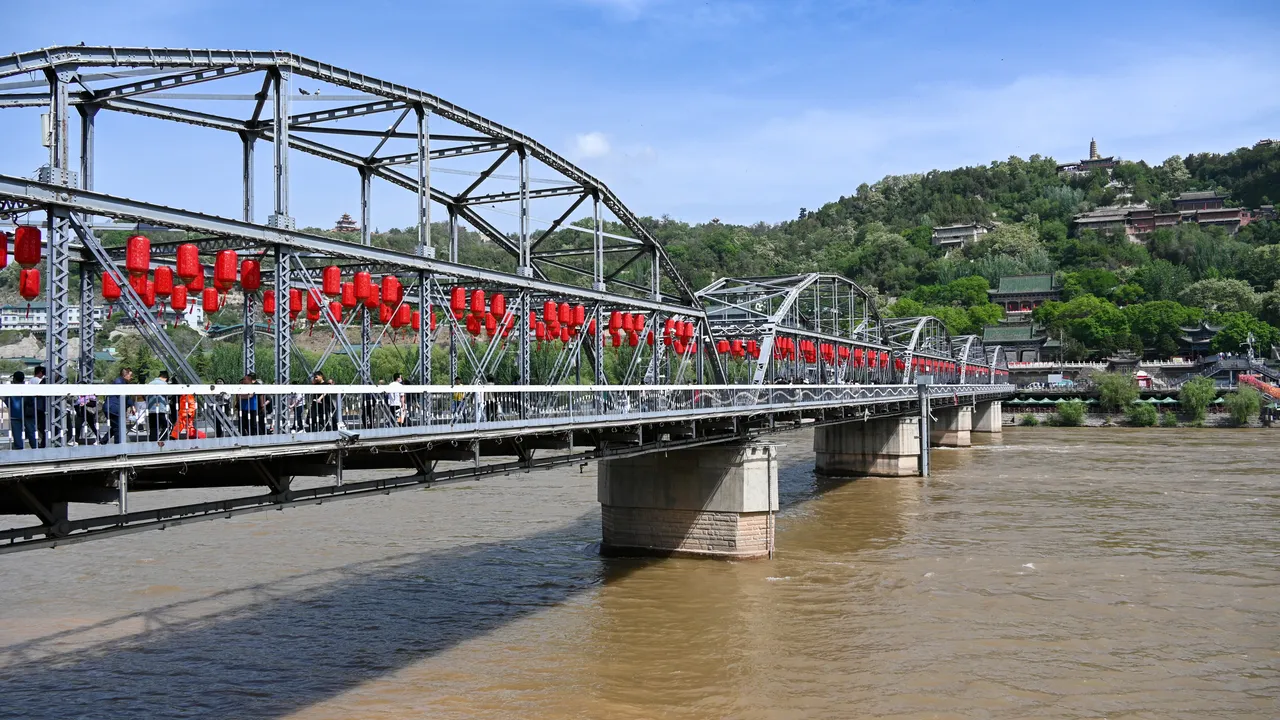
| Day 1 · 09:00 | Zhongshan Bridge: Orientation Starts at the First Bridge |
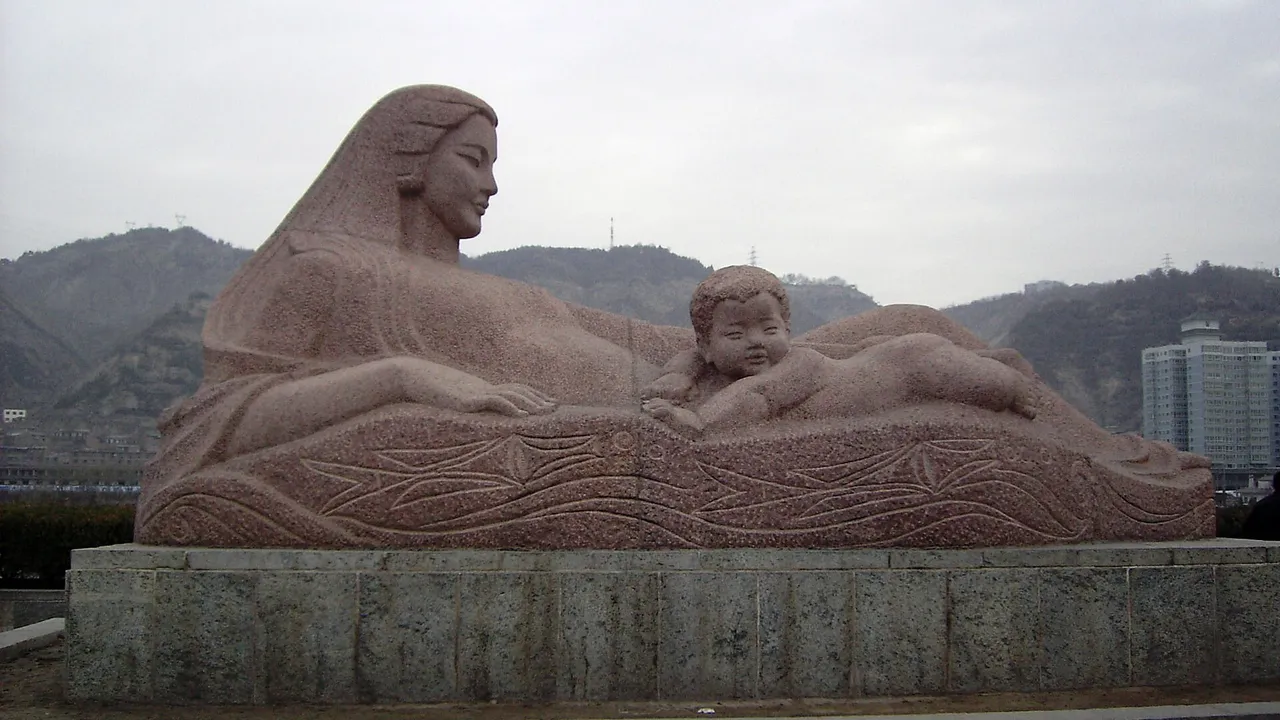
| Day 1 · 11:00 | The Yellow River Mother and a First Raft Ride |
| Day 1 · 19:00 | Zhengning Road Night Market: Opening the Palate |
| Day 2 · 09:00 | Gansu Provincial Museum: The Whole Corridor in Preview |
| Day 2 · 13:30 | Gansu Bamboo Slips Museum: The Breath of the Han Frontier |
| Day 2 · 19:30 | Baita Hill by Night: Closing the Day on the Bank |
| Day 3 · 09:30 | Waterwheel Park and Lanzhou Old Street |
| Day 4 · 08:00 | Liujia Gorge and Bingling Temple: Grotto Day |
| Day 5 · 10:00 | Qingcheng Old Town: A Tobacco Port's Day |
| Day 5 · 14:30 | The Shichuan Pear Orchard: Fruit on Three-Hundred-Year Trees |
| Day 6 · 09:00 | Tulugou: A Gorge Cut by Glacier and Stream |
| Day 6 · 16:00 | The Lu Chief's Office: The Northwest's Little Forbidden City |
| Day 7 · 09:30 | The Lanzhou Ink-Wash Danxia: Colored Hills Closest to Town |
| Day 7 · 17:00 | One Last Beef Noodle and a Night-Market Farewell |
The route, stop by stop
Zhongshan Bridge: Orientation Starts at the First Bridge
Day one of seven rushes nothing; it has a single task, building a sense of the river's geography. Cross Zhongshan Bridge in the early calm, look north to Baita Hill from mid-span, walk the Jinchengguan culture block, then drift west along the south bank.
Fix the bank road's bearing in your body, and every outbound direction of the next six days finds its coordinates. End day one with a stroll and a first-pot bowl of beef noodles, setting the week's unhurried tone.
The Yellow River Mother and a First Raft Ride
Walk west along the bank to the Yellow River Mother, the greenbelt humming with local routines. The jetty's sheepskin rafts are the river's oldest craft: a dozen whole skins inflated and lashed beneath a timber frame, the boatman poling downstream one stroke at a time.
Choose it for the week's first time on the water: a quarter hour of drift, spray on the skins, high-rises staring back from both banks, the most direct lesson in how this city and its river relate.
Zhengning Road Night Market: Opening the Palate
The week's first night market serves as an opening ceremony. Zhengning Road's milk-and-egg jiuzao is the city's signature sweet: boiling milk over beaten egg, the rice brew's faint buzz under raisins and peanuts, one bowl and Lanzhou's order of sweetness is established.
Skewers, trotters, grey-bean soup and tianpeizi, a taste of each, spread the flavor map for six more days of navigation. A late beef noodle near the hotel afterward is not excess, it is practice.
Gansu Provincial Museum: The Whole Corridor in Preview
Day two's morning belongs to the provincial museum, the week's prologue: the Silk Road gallery lines up pottery, slips, camel figurines and coinage in order, previewing the grotto art you will meet at Bingling through replicas and context.
The Bronze Galloping Horse is mandatory, its Eastern Han airborne pose centered in the Buddhist art hall. Two hours on the main chronology give every site in the next five days its place on a timeline.
Gansu Bamboo Slips Museum: The Breath of the Han Frontier
The afternoon reads letters across the road at the slips museum. Among the twenty-thousand-plus Han slips from Xuanquanzhi are soldiers' letters home, border passes and warehouse ledgers, originals beside transcriptions, the tone of two millennia ago still audible.
This is the quietest stop of the seven: modest halls that reward slow reading. Finish with tea on the neighboring old street, banking energy for the riverbank after dark.
Baita Hill by Night: Closing the Day on the Bank
Climb Baita Hill at dusk, forty minutes of steps or the cableway from the bridge's north end. From the summit the river and bank roads connect into two bands of light, and the routes of your first two days lie spread below.
Descend across the lit Zhongshan Bridge to close the downtown chapters. Tomorrow leaves the city, so turn in early tonight.
Waterwheel Park and Lanzhou Old Street
The last downtown day before excursions keeps a loose pace. Morning at Waterwheel Park, where wheels over ten meters tall and a mill house rebuild ancient irrigation; then a short hop to Lanzhou Old Street, whose archways and opera stage photograph best in the thin morning crowds.
The street's slip-themed cultural goods and sanpaotai tea shops round out the museum visit if yesterday left you wanting. Sort excursion gear in the afternoon and close the day with hand-grabbed mutton.
Liujia Gorge and Bingling Temple: Grotto Day
Day four carries the week's weight. An early charter runs two hours to the Liujia dam, and the boat crosses a reservoir walled in red cliffs over blue-green water. The Bingling caves cut into a cliff over 160 meters high, carved continuously from the Western Qin through the Qing, the twenty-seven-meter Tang Maitreya at the gully mouth as first sight.
With a 169 booking you see China's earliest dated grotto inscription; without one, study the mid-route Northern Wei and Northern Zhou caves closely. Boats return around four or five, landing in Lanzhou by evening for noodles.
Qingcheng Old Town: A Tobacco Port's Day
Day five runs north to Qingcheng. The City God Temple climbs the slope, the academy produced degree holders, and the Luo compound keeps its tobacco-workshop tools in place. The town stays quiet, loess walls under grey tile, an aesthetic system apart from southern water towns.
Lunch on long noodles with aged vinegar, then walk the riverside lane to the crossing and watch raftsmen patching skins. Drive back to Lanzhou at dusk, or sleep in a town inn and hear the river all night.
The Shichuan Pear Orchard: Fruit on Three-Hundred-Year Trees
The afternoon belongs to Shichuan, where thousands of ancient pears still bear yearly, trunks beyond one person's embrace, limbs propped by generations of poles. Late April floods the valley with blossom; September and October hang it with soft pears.
Wander the understory paths at will, exit over the suspension bridge, and look back mid-span for the orchard-and-bend panorama. Return to the city by evening and catch a riverside night view as the day's transition.
Tulugou: A Gorge Cut by Glacier and Stream
Day six runs northwest, about two hours into Tulugou. The front trail follows the creek between facing walls, Skylight Eye and Hidden Dragon Cave surfacing from the woods, until the back country opens onto alpine meadow scattered with yaks at nearly 2,800 meters.
The gorge stays cool, long sleeves enough at noon. Walk slowly through the better part of the day and exit by three, right on time for the next stop in Liancheng.
The Lu Chief's Office: The Northwest's Little Forbidden City
A few kilometers from the gorge sits the Lu Chief's Office, the Ming-Qing seat and residence of the Lu chieftains laid out on one axis, government halls, sleeping quarters and ancestral temple complete, the northwest's best-preserved chieftain complex. The courtyards hush, eave polychrome still legible after centuries.
One hour suffices before the two-hour drive back to Lanzhou. Tonight's finale goes to the night market or a handful of skewers, charcoal smoke dissolving six days of landscapes and old buildings.
The Lanzhou Ink-Wash Danxia: Colored Hills Closest to Town
The last day starts easy, an hour's drive to the ink-wash Danxia. These colored hills share an origin with Zhangye's but wear a different face, ochre, gray-purple and earthen-yellow bands bleeding across the slopes like ink on paper, with well-built walkways along the rim viewpoints.
Morning light rakes the hills at their most layered. Walk two or three platforms and descend before noon, leaving ample time for departure or a final round of shopping.
One Last Beef Noodle and a Night-Market Farewell
The final night returns to the familiar bank roads. Sort the luggage first, then take one last beef noodle at a street shop and compare it with day one's first pot; the broth's depth will tell you what the week in Lanzhou has changed.
Close with another bowl of milk-and-egg jiuzao on Zhengning Road, a farewell that mirrors the first night. Seven days in the order of river, museums, grottoes, towns, mountain and colored hills leaves the story of Lanzhou and its river fully told.
| Getting around |
|
| Budget | About RMB 3000-5000 pp across seven days: three to four charter days swing the total most, tickets and boats near RMB 600, meals and lodging flexible. |
| Best time | May to October covers everything; late April adds blossom, while winter stops the Bingling boats and limits some mountain roads, forcing land-based rework. |
FAQs
Will any of the seven days feel wasted?
No. The days differ in density but each carries a theme: three downtown days read the city progressively, four excursion days each take one direction. If energy flags, swap Tulugou for a rest day of riverside cycling; the slack is deliberate.
Are all four excursion days charter-only, and at what cost?
Strictly, Liujia, Qingcheng-Shichuan and Tulugou need charter or self-drive, while the ink-wash Danxia has a tourist shuttle. Charters run 500-800 yuan daily, or one to two hundred per person split four ways, the best value of the week.
Can the seven-day order be rearranged?
Yes, on two rules: swap excursion and museum days with the weather, and keep the Bingling boat day mid-trip to leave time for special-cave bookings. The three downtown days interleave anywhere without harm.
What does eating cost across seven days?
Eating at local standard costs 80-150 yuan per person daily: beef noodles around ten, niangpi a few, hand-grabbed mutton seventy or eighty a head, and fifty fills you at the night market. Seven days totals 600-1000 yuan, swinging mostly on how many jin of mutton you order.