
The first lesson of Tibetan food is not spice or meat but tempo: digestion slows at altitude, and Lhasa's tables orbit tea, with sweet tea and noodles sustaining a whole morning while proper meals stay light. This day honors that rhythm: a dawn tea house, a late-morning noodle counter, an introductory Tibetan lunch, an afternoon tea second round, and an evening yak hotpot, all six stops within walking distance and none of them heavy.
The budget is friendly: a pot of sweet tea costs a few yuan, a noodle bowl the same, breakfast lands around RMB 15; a Tibetan lunch runs RMB 30-50 per head, and the evening yak hotpot RMB 80-120. One hundred fifty to two hundred yuan covers a complete day. Two rules: in your first two days go mild before bold, saving butter tea and dried raw meat until settled, and stop at seventy percent full, since overeating at altitude feels worse than hunger.
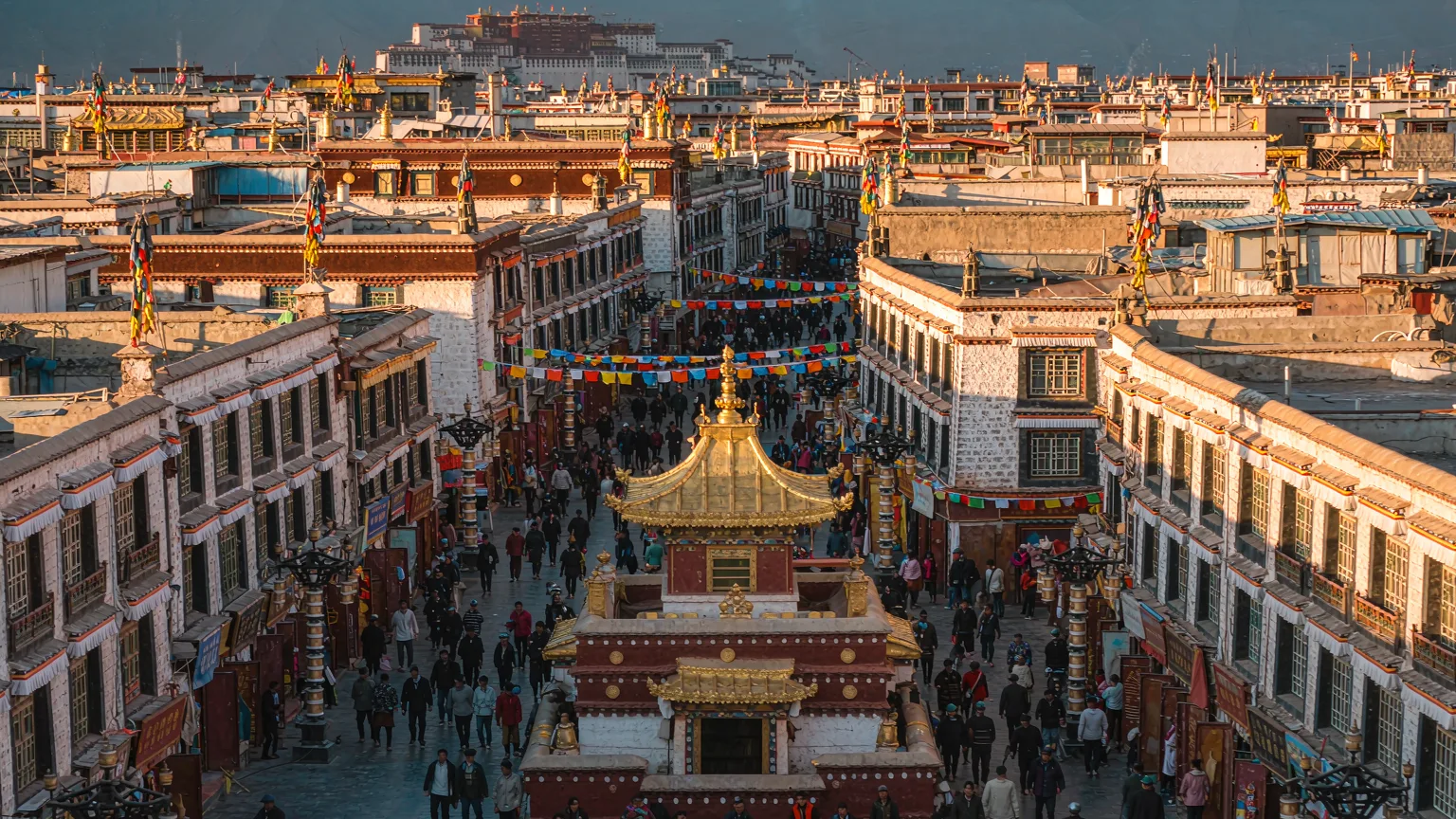
Itinerary at a glance
| 09:00 | Guangming Sweet Tea House: The Day Opens with a Pot |
| 10:30 | Noodles, Level Two: Street Counters and Extra Yak |
| 12:00 | Tibetan Lunch, Level One: Momo, Beef Pancakes and Yogurt |
| 15:00 | The Afternoon Session: A Gentle Butter-Tea Introduction |
| 18:30 | Dinner Proper: Yak Hotpot, Copper or Stone Pot |
| 20:30 | The Nightcap: A Yogurt Bar and the Old City After Dark |
The route, stop by stop
Guangming Sweet Tea House: The Day Opens with a Pot
Sweet tea is Lhasa's common currency: black tea brewed with milk and sugar, close to a milk tea, and its warmth and sweetness are exactly what a newly arrived body wants. Guangming is the city's most storied tea house, long tables, benches, thermoses and glasses, hosting everyone from elders back from the kora to traders cutting deals. Take a seat, pour your own, leave coins under the glass, and refills arrive unasked.
The opening order: a pot of sweet tea and a bowl of Tibetan noodles, alkaline wheat noodles in bone broth with a few slices of yak, all for a dozen-odd yuan. How long you sit matters more than what you order; watching pilgrims stream in and out while neighbors trade news is the cheapest ticket to everyday Lhasa. For anyone who slept badly, hot sweet tea plus carbohydrates is the gentlest possible recovery.
Noodles, Level Two: Street Counters and Extra Yak
Half past ten is off the proper meal grid, but the noodle counters never pause. The structure is minimal: alkaline thin noodles, yak-bone broth, a few slices of yak, a pinch of scallion, with serious houses simmering stock daily. First bowl plain, second bowl loaded, extra meat, an egg, chili, to find your own ceiling. A few yuan a bowl, ten or so with extras.
The real purpose of this stop is calibration: read your body afterward, and if all is well, the base line is safe and the afternoon and evening can go bolder. Counters cluster in the Barkhor's side lanes and neighborhood corners; follow the house with the highest local turnover. Linger a while, sweet tea is on offer here too.
Tibetan Lunch, Level One: Momo, Beef Pancakes and Yogurt
Noon's intro class picks the three friendliest items. Momo dumplings pack thin skins around juicy yak, scallion and ginger filling; the beef pancake known as tuga fries crisp outside and stays succulent within; and yak yogurt carries a pale yellow cream skin and a sharp acidity, softened with white sugar or honey into a dessert form nearly every newcomer accepts.
For two or three people, order those three with a pot of sweet tea at RMB 30-50 per head. This meal's quiet experiment is butter: plenty of dishes already carry it, so gauge your tolerance, and if the smell defeats you, steer around the high-butter dishes tonight, sparing both your wallet and yourself. The old city is dense with Tibetan restaurants, and picture menus make ordering painless.
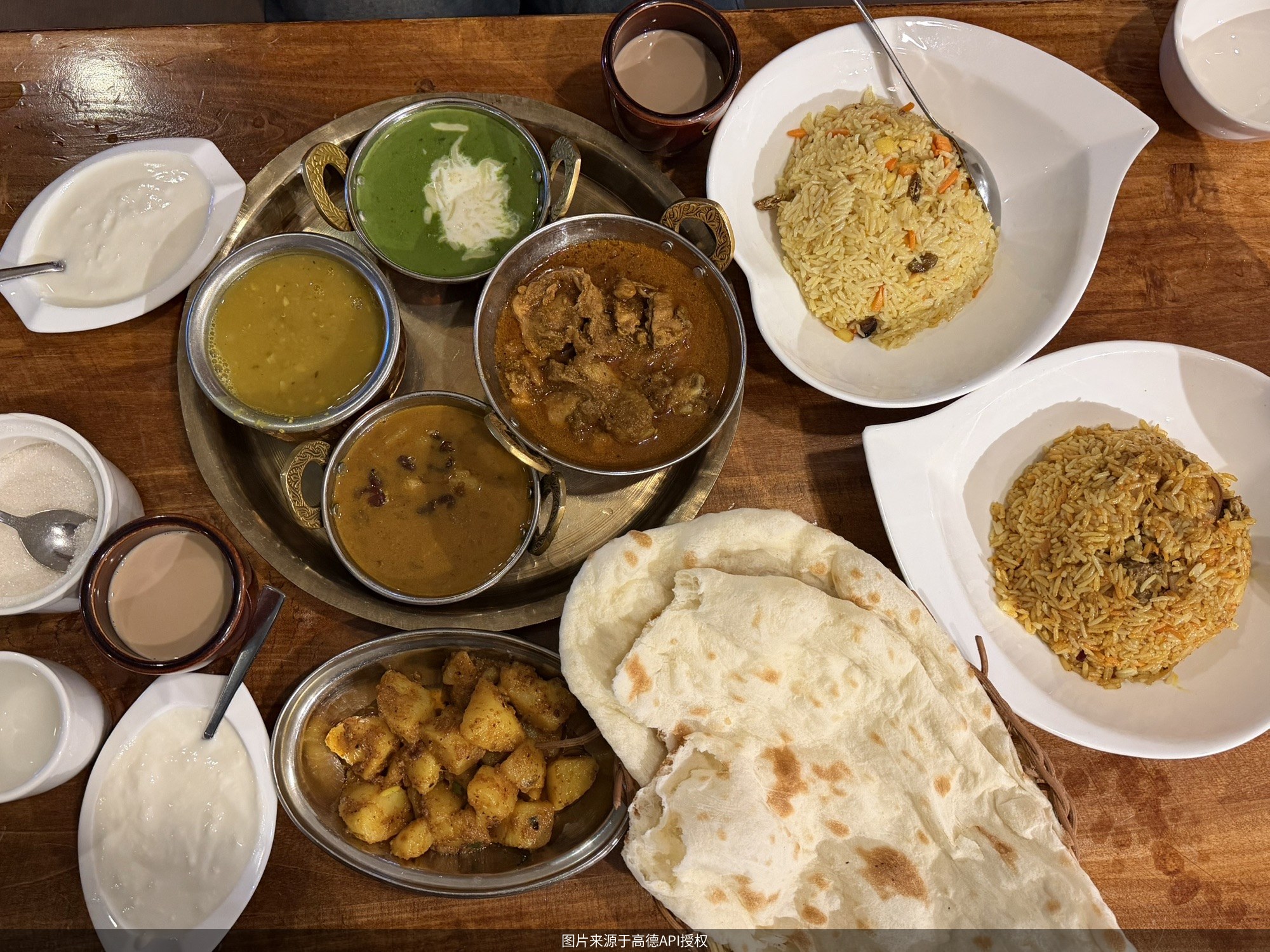
The Afternoon Session: A Gentle Butter-Tea Introduction
Back at the tea house, the afternoon spotlight moves to butter tea: brick tea churned with yak butter and salt, salty and rich, the plateau's traditional calorie and electrolyte supply. The entry strategy is a small bowl first, never a full pot; the salt-plus-fat combination takes settling, and most people find its rhythm by the third sip. Any discomfort means back to sweet tea, no heroics.
Pair it with barley: a barley flatbread or a ball of tsampa, roasted barley flour kneaded with butter tea, the most elemental Tibetan staple; ask the house to show the kneading or try your own hand. An hour here is plenty. The plateau afternoon deserves its blank space, and this is the day's second deliberate rest.
Dinner Proper: Yak Hotpot, Copper or Stone Pot
Dinner is the day's one big dish: yak hotpot. Copper or stone pot over a mushroom or tomato base, thick-cut yak slices swished briefly, the meat dense and coarse-grained, growing more fragrant the longer it simmers, with sides from highland potatoes to wild mushrooms. RMB 80-120 per head; one pot plus sides covers two or three. Yak is warming food, and a hot pot on a highland evening suits both body and stomach.
Ordering judgment: look for deep red, glossy meat with clear marbling, and pick the light mushroom base to taste the meat honestly. Dipping runs from dried chili to fermented tofu. A big meat pot is not a night-one move; this plan assumes you are two or three days in, and for the freshly arrived, swap to the clear-broth version for a lighter load.
The Nightcap: A Yogurt Bar and the Old City After Dark
If any capacity remains, close with yak yogurt: honey or brown sugar stirred in, the acidity washing away the day's richness. A few famous yogurt bars in the old city fill with young locals and travelers at night, toppings running from highland berries to fruit. Not hungry? Order the smallest bowl anyway; the ritual outweighs the portion.
On the walk home, glance at the Barkhor by night: fewer pilgrims, shuttered storefronts, whitewash gone whiter under the streetlights. Six stops for RMB 150-200 total, sequenced tea house, noodles, Tibetan lunch, tea house, hotpot, yogurt, tracking Lhasa's own eating curve almost exactly. Then the usual bedtime routine: warm water, early sleep, and let tomorrow morning grade the body.
| Getting around |
|
| Budget | Breakfast about RMB 15, snack lunch about 40, evening yak pot RMB 80-120 pp: roughly RMB 150-200 for the day |
| Best time | Year-round; in your first two days at altitude stick to mild items like sweet tea and noodles, adding butter and heavier dishes from day three |
FAQs
Can I eat hotpot on my very first day in Lhasa?
Better not. Arrival day has digestion and circulation still adjusting, so mild noodles or clear broth fit first; save the meat hotpot for days two or three, when it will also taste better.
Is butter tea really that hard to like?
It varies: the salty, fatty profile takes most people a few tries. Start with a small bowl paired with tsampa or a snack, and it often clicks by the third sip; if never, sweet tea does the same job.
Is yak really that different from regular beef?
Clearly: yak runs darker, coarser and leaner with a more intense flavor, improving with long simmering. Hotpot wants thick cuts; quick stir-frying toughens it, and broth pots and dried yak are its other two classic forms.
Any high-altitude dining rules for the day?
Seventy percent full, warm water often, alcohol rarely; grease and overeating worsen altitude symptoms, and alcohol hits harder at 3,650 meters. Regular meals beat tasting everything.