
Shopping on the Barkhor is half market, half tradition, and everything worth buying has a clear lineage: Tibetan incense, hand-rolled from thirty-odd natural ingredients, tied directly to the monasteries' smoke offerings; turquoise, worn by Tibetans with near-devotional weight; and thangka, faith compressed into a hand-painted rectangle. This day runs in three phases, recon, authentication, purchase, so you understand before you spend.
The budget swings wide: incense from a few dozen yuan, small turquoise pieces RMB 100-800, small hand-painted thangkas from several hundred, masterworks into the tens of thousands. Three iron rules hold all day: buy valuables only in shops with posted prices, receipts and certificates; for gram-priced stones like turquoise, settle the per-gram rate before discussing any piece; and judge thangkas by hand brushwork and mineral pigment, since prints and hand painting differ tenfold in price. Bargaining exists, but it is built on comparison, not talk.

Itinerary at a glance
| 09:30 | Barkhor Recon: Draw Your Souvenir Map First |
| 11:00 | Choosing Tibetan Incense: Authentication by Nose |
| 13:00 | Lunch and a Budget Reckoning |
| 14:00 | The Turquoise Lesson: Stabilizing, Dyeing and Gram Pricing |
| 15:30 | The Thangka Lesson: Hand-Painted Versus Printed, Subject and Size |
| 17:00 | Small-Goods Sweep: Jerky, Saffron and the Shipping Desk |
The route, stop by stop
Barkhor Recon: Draw Your Souvenir Map First
The first hour buys nothing. Walk the main ring and a few side lanes, mapping your target categories: the main street is largely tourist-facing craft shops, while the side lanes hide more local incense sellers, copper workers and snack stores. Note price ranges by category; this is the leverage for afternoon bargaining and price judgment.
Three signals matter on the recon: whether a shop posts prices openly, whether the owner will talk craft and provenance, and how widely prices vary between shops for the same goods. Categories with wild spreads, usually dzi beads and amber, run deep and murky, so enter with care; those with sane spreads, incense, dried fruit, jerky, can be bought with confidence this afternoon. Crowds peak at midday, so the morning is the pleasant shopping window.
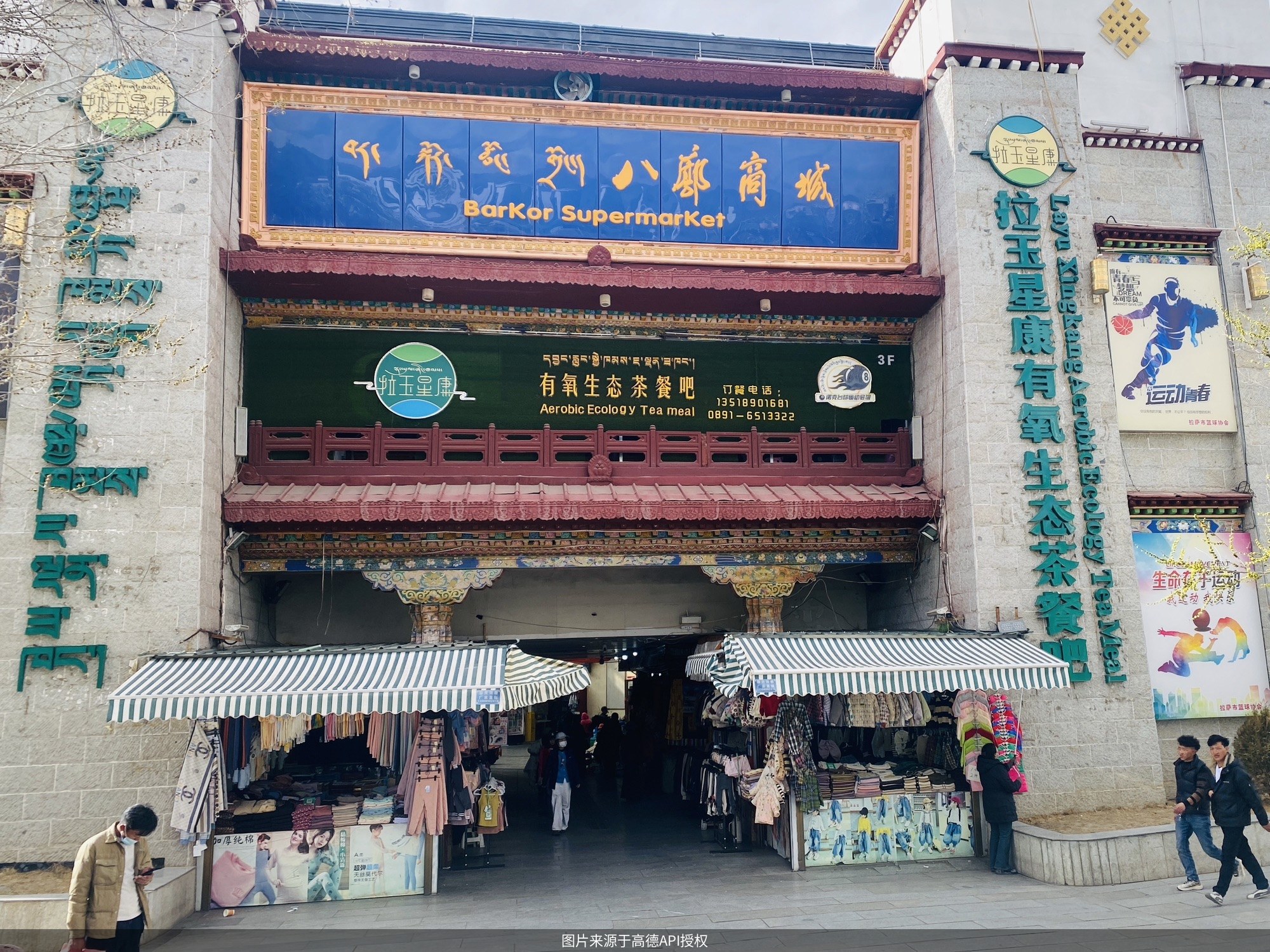
Choosing Tibetan Incense: Authentication by Nose
Tibetan incense blends dozens of natural ingredients, saffron, musk, rhodiola, agarwood among them, hand-rolled into sticks, inseparable from the monasteries' smoke-offering tradition. Authenticate with your nose: the dry stick should smell like a quiet blend of medicinal herbs, burning into smoke that never stings and leaves a mild trail; chemical-fragrance versions hit sharp and sweet, with a perfume-bottle note even before lighting.
Price logic: ordinary handmade sticks run RMB 20-60 a bundle, precious formulas heavy on saffron or agarwood into the hundreds. Buy several small bundles over one big box, testing formulas at home before restocking. Rainy-season purchases need moisture protection, sealed and stored cool at home. The old incense shops in the side lanes beat the main-street tourist stores on honesty, and any shop that lets you watch the rolling is a good sign.
Lunch and a Budget Reckoning
Lunch nearby, noodles or a Sichuan plate, RMB 20-30 per head. The meal's job is the reckoning: check your morning's price notes against the afternoon's buy list, assigning two-thirds of the total budget to the one thing you want most and splitting the rest among small goods.
If valuables like turquoise or thangka are on the list, use the post-lunch break to review the authentication points once more; entering a shop with a checklist beats entering on feel. Altitude afternoons tire people, so rest twenty minutes before setting out and your judgment will be measurably sharper.
The Turquoise Lesson: Stabilizing, Dyeing and Gram Pricing
Turquoise is the Barkhor's most seductive and easiest-to-overpay category. The tells: natural untouched stone shows uneven color with iron lines and pores, while stabilized (resin-infused) goods look uniformly dull; dyed pieces concentrate color in fractures under a loupe, the tint floating on the surface; weight and feel take experience, making certificates the one reliable anchor. Pricing runs by the gram, and untreated natural stone costs multiples of stabilized stock.
The procedure: ask the gram weight and per-gram rate before discussing the whole; demand a national or provincial certificate matching the piece's number; reputable shops will re-weigh on request. Small cabochons and spacer beads start around RMB 100-200, strands from several hundred into thousands. Newcomers should buy certified small pieces, or simply finished silver-set jewelry, where craft value is transparent and authentication pressure is low.
The Thangka Lesson: Hand-Painted Versus Printed, Subject and Size
Thangka authentication turns on hand painting versus print. Brushwork first: hand painting in mineral pigment carries depth and stroke intention, with visible starts and finishes in the lines under magnification; prints show even dot screens and flat color, reflecting light uniformly at an angle. Pigment second: mineral colors sit calm and never garish, holding for decades, while chemical colors jump bright. Small hand-painted pieces start in the hundreds, with size, complexity and the painter's standing setting the price, and masterworks uncapped.
Buying strategy: start small with common subjects, the Yellow Dzambhala, Tara, the Eight Auspicious Symbols, at several hundred to a couple thousand yuan; compare three shops per subject before committing; signed works hold value best. Large thangkas bring framing and shipping questions, which reputable shops will handle with packing and posting. On a tight budget, a small mineral-pigment sketch or a fine thangka book is a dignified stand-in.
Small-Goods Sweep: Jerky, Saffron and the Shipping Desk
Finish by sweeping food and small goods in one pass: choose yak jerky with clear meat grain and a clean salty aroma, loose versions undercutting packaged by twenty to thirty percent; saffron wants long intact deep-red threads that brew golden, a few to a dozen yuan per gram, judged on origin and grade before buying; dried cheese and barley goods travel light and keep well.
The closing routine: consolidate everything, seal jerky and saffron against damp, bag turquoise and thangka separately with their certificates and receipts, and ship bulky or heavy items from the courier desks around the Barkhor, insuring the valuables. Spend as much or as little as you like, but keep one discipline: be able to justify every single purchase.
| Getting around |
|
| Budget | Incense RMB 20-100, small turquoise pieces RMB 100-800, small thangkas from several hundred, yak jerky and saffron RMB 50-150 |
| Best time | Year-round; guard incense and papers against rainy-season damp, and for costly pieces favor reputable shops with certificates and receipts |
FAQs
Can I bargain on the Barkhor, and by how much?
Crafts and small goods generally leave room; negotiate on the spread your morning comparison found. Gram-priced certified valuables are mostly about labor fees and overall discounts. Bargaining works only on top of comparison homework.
Should I buy stabilized turquoise at all?
Yes, but at its true price: stabilization is standard industry practice and should cost far less than untreated stone. Paying untreated prices for stabilized goods is the scam point, and a certificate separates the two.
Anything special about taking a thangka home?
Frame it or ship it rolled, the roll being safer; never fold or compress, as mineral pigment fears damp and direct sun, so frame it at home away from harsh light. For large pieces, let the shop pack professionally and ship insured.
Is one day enough to buy all three well?
Yes: recon in the morning, authentication and purchase in the afternoon is a complete loop. If choosing one, incense is easiest to verify; turquoise and thangka deserve full comparison time, and splitting across two days is even calmer.