
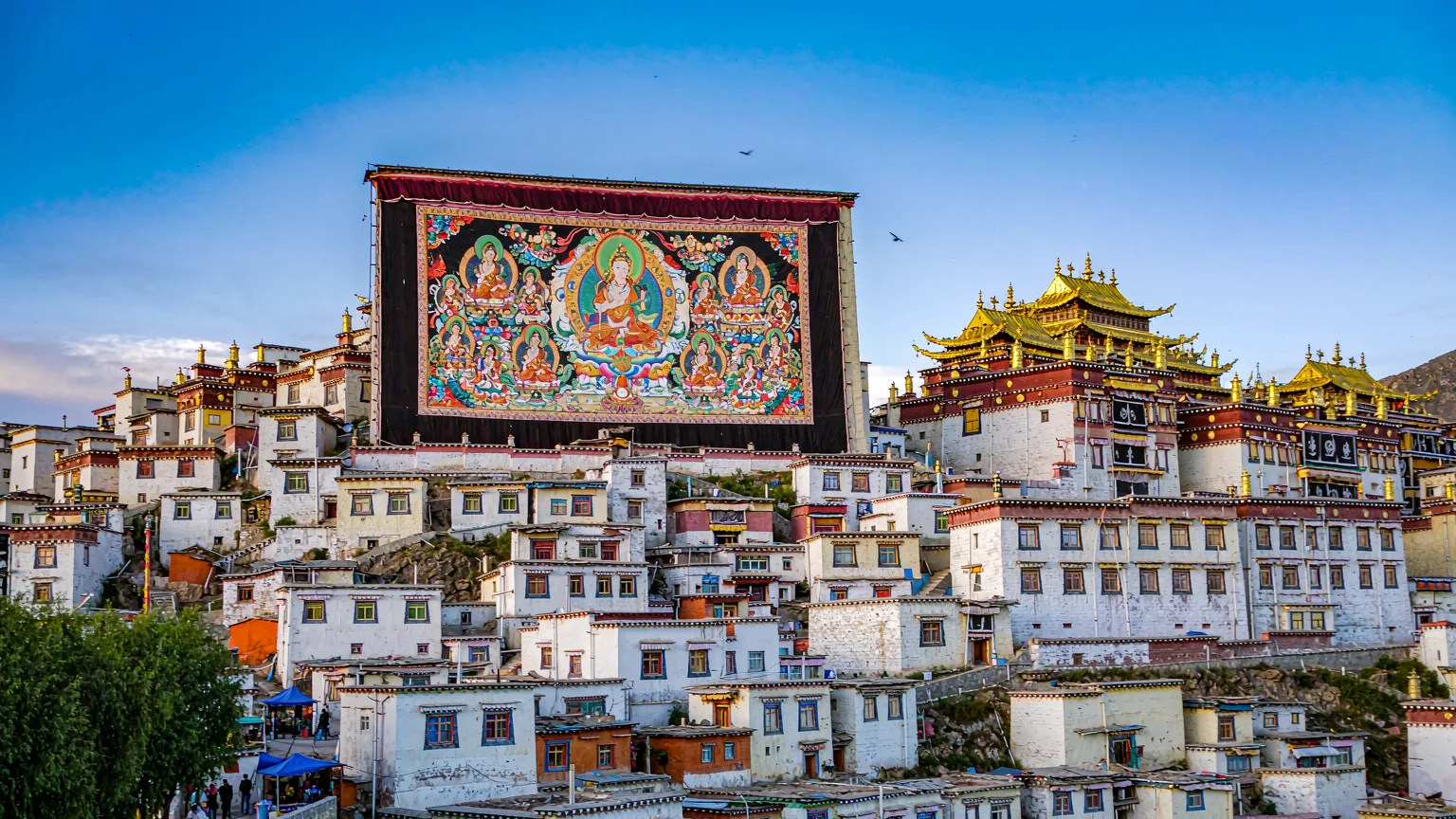
Past the Potala and the Jokhang, another Lhasa lives on the hills and in the lanes: Drepung climbs the slope of Genpeng Ukze mountain, once housing ten thousand monks as the largest Gelug monastery, its white buildings stacked like a giant mound of rice; at its foot, Nechung ranks among Tibet's most important protector chapels, its murals dense and fierce; and in the city's east, Zaji is the busiest wealth temple in Lhasa, its female deity Zaji Lhamo holding a special place in local hearts.
Costs run low: Drepung about RMB 50, Nechung and Zaji cheap or posted on site, and the three days land around RMB 400-800 per person with charter and meals. The pacing stays highland-logical: day one takes the hilliest site, Drepung, in your best morning; day two pairs Nechung with city fillers; day three closes with Zaji and rest. All three sit within half an hour of the center, taxi or half-day charter.
Itinerary at a glance
| DAY1 09:00 | Day One: Drepung, the Great Monastery on the Slope |
| DAY2 10:00 | Day Two: Nechung, the Protector Chapel's Fierce Walls |
| DAY3 09:00 | Day Three: Zaji, the City's Busiest Wealth Shrine, and the Wind-Down |
The route, stop by stop
Day One: Drepung, the Great Monastery on the Slope
Drepung sits about ten kilometers from the center; entering around the nine o'clock opening (about RMB 50) beats the group wave. The monastery stacks up the hillside, and stone stairways between buildings string the whitewashed complex together from the gate to the uppermost halls. The main line runs Ganden Podrang, the Great Assembly Hall and the monks' colleges, and the assembly hall, with its forest of pillars and light falling from roof windows, is the most breathtaking interior on the hill.
Pacing is the whole game here: slopes near 3,800 meters demand slow steps, frequent rests and water, and the two-hour main line feels like half a day of mountain trail back at sea level. The great thangka-unveiling platform behind the monastery hosts the Shoton Festival's ceremony and, on ordinary days, a viewpoint over the whole complex and the Lhasa valley, worth a partial climb if your legs agree.
Day Two: Nechung, the Protector Chapel's Fierce Walls
Nechung sits below Drepung's southeast flank, small in size and enormous in weight: the seat of the famous protector deity Nechung, whose oracle historically preceded major decisions of the Dalai Lamas. The chapel walls and ceiling run dense with fierce protector murals, wrathful deities stacked layer upon layer, a completely different visual language from the quiet courts of ordinary temples and a textbook of Tibetan wrathful-palette art.
Around ten the interior light sits right; flash-free photography is usually tolerated per on-site rules, but the better call is lowering the camera, since the density of these walls rewards unhurried eyes. An hour suffices, and the visit pairs well with a Drepung viewpoint or the villages at the hill's foot. Entry is cheap, tickets at the door.
Day Three: Zaji, the City's Busiest Wealth Shrine, and the Wind-Down
Zaji, in the city's northeast, is Lhasa's busiest wealth temple, enshrining the female deity Zaji Lhamo. The local method runs its own system: bring a bottle of white liquor and a ceremonial scarf, treat Wednesday as the auspicious day, and expect dawn queues; inside, offer the liquor, present the scarf, and circle the hall three times. Visitors need not replicate the full rite, watch quietly and join as inclination moves them, guarding belongings in the crush.
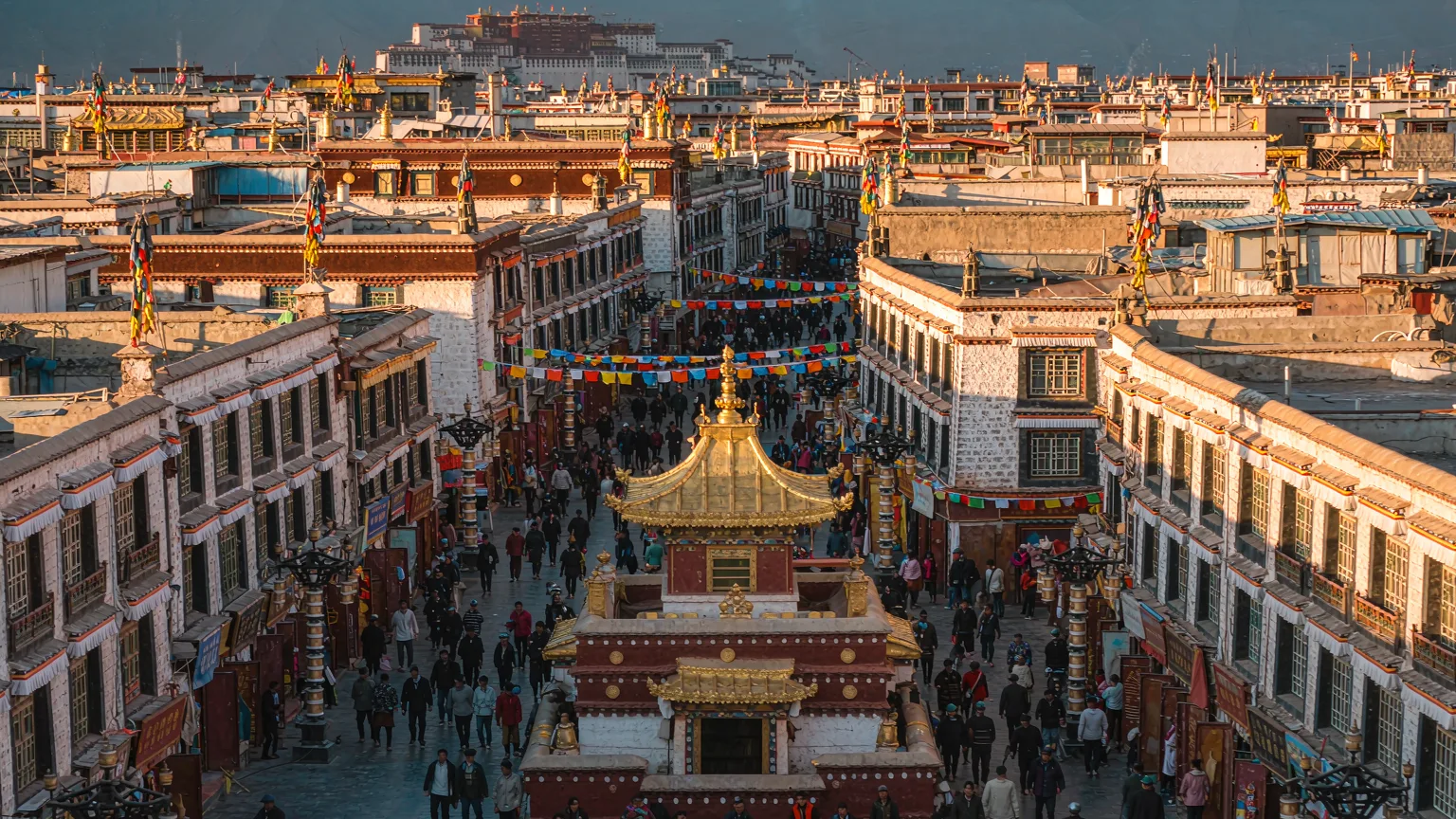
After the morning shrine, keep the afternoon loose: the Tibet Museum (free, reserved, closed Mondays) for background, or a Barkhor souvenir sweep. Nothing on this three-day line is strenuous, yet Drepung's slopes bill the body on a delay, so keep the final night early. Strung together, these three temples show you a Lhasa beyond most visitors' version: not only palaces and kora rings, but a scholarly city on a hillside and gods alive in the neighborhood lanes.
| Getting around |
|
| Budget | Drepung about RMB 50, with Nechung and Zaji cheap or posted on site: roughly RMB 400-800 pp over three days including rides and meals |
| Best time | Year-round; start Drepung early to beat the groups; Zaji peaks on Wednesdays with morning crowds seeking the wealth deity |
FAQs
Should I hire a guide at Drepung?
Yes: without one, the layout and the college system read as scenery. A pooled guide or audio unit works; focus on the Great Assembly Hall and Ganden Podrang's history.
What are the customs at Zaji, and must visitors follow them?
Locals bring liquor, a scarf and three circuits, busiest on Wednesdays. Visitors owe nothing: watch quietly, add a lamp if moved, and anyone wanting the full rite can simply mirror what others do, no stress.
How much altitude risk does this route carry?
Drepung's slopes sit near 3,800 meters, some 150 above the city, the route's only real climb, manageable at a slow pace; Nechung and Zaji are flat and gentle.
Will three monasteries blur together?
Not really, they differ in kind: Drepung is scale and architecture, Nechung is mural art and oracle tradition, Zaji is living folk devotion. In this order, each day offers a genuinely new thing to look at.