
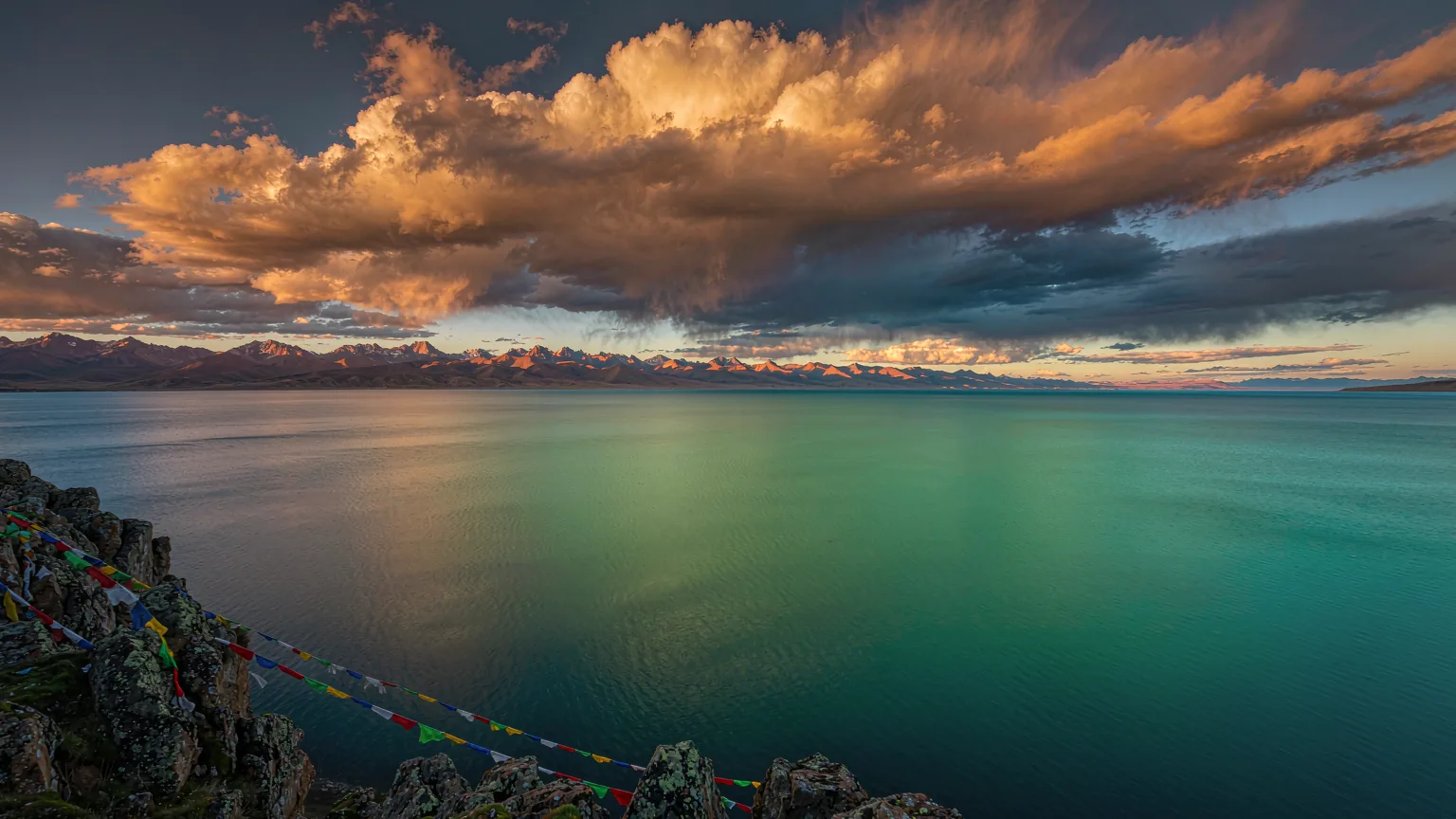
Namtso, one of Tibet's three great holy lakes, sits near 4,718 meters among the highest large lakes on Earth, its water a blue that barely seems real. But from Lhasa this is no casual day trip: about four hours each way, crossing the 5,190-meter Nagenla pass, with the lakeshore more than a thousand meters above the city, one of the highest points ordinary travelers reach in Tibet, and altitude risk far above anything in town.
The design centers on safety margin: day one stays in the city for preparation and gentle acclimatization, confirming your condition, stocking oxygen and cold-weather gear, and locking in the car; day two departs before or at dawn, pauses briefly at Nagenla, gives the lakeshore two to three hours, and returns by evening; day three is full recovery. The money: entry about RMB 120, a shared seat RMB 150-300, a whole-vehicle charter RMB 800-1200 a day, oxygen canisters RMB 20-50 each.
Itinerary at a glance
| DAY1 10:00 | Day One: Preparation, Gear and the Car |
| DAY2 06:30 | Day Two: Namtso, the Nagenla Pass and Tashi Peninsula |
| DAY3 10:00 | Day Three: Recovery in Town and the Debrief |
The route, stop by stop
Day One: Preparation, Gear and the Car
The day before, do three things only. First, self-assess: if the last three days in Lhasa still bring real headaches, insomnia or palpitations on exertion, postpone Namtso; the lake is not going anywhere. Second, gear up: a down or fleece-lined coat (the lakeside runs ten degrees colder than town), sunglasses and heavy sunscreen, two portable oxygen canisters, a thermos and calorie-dense snacks, all available from city pharmacies and supermarkets.
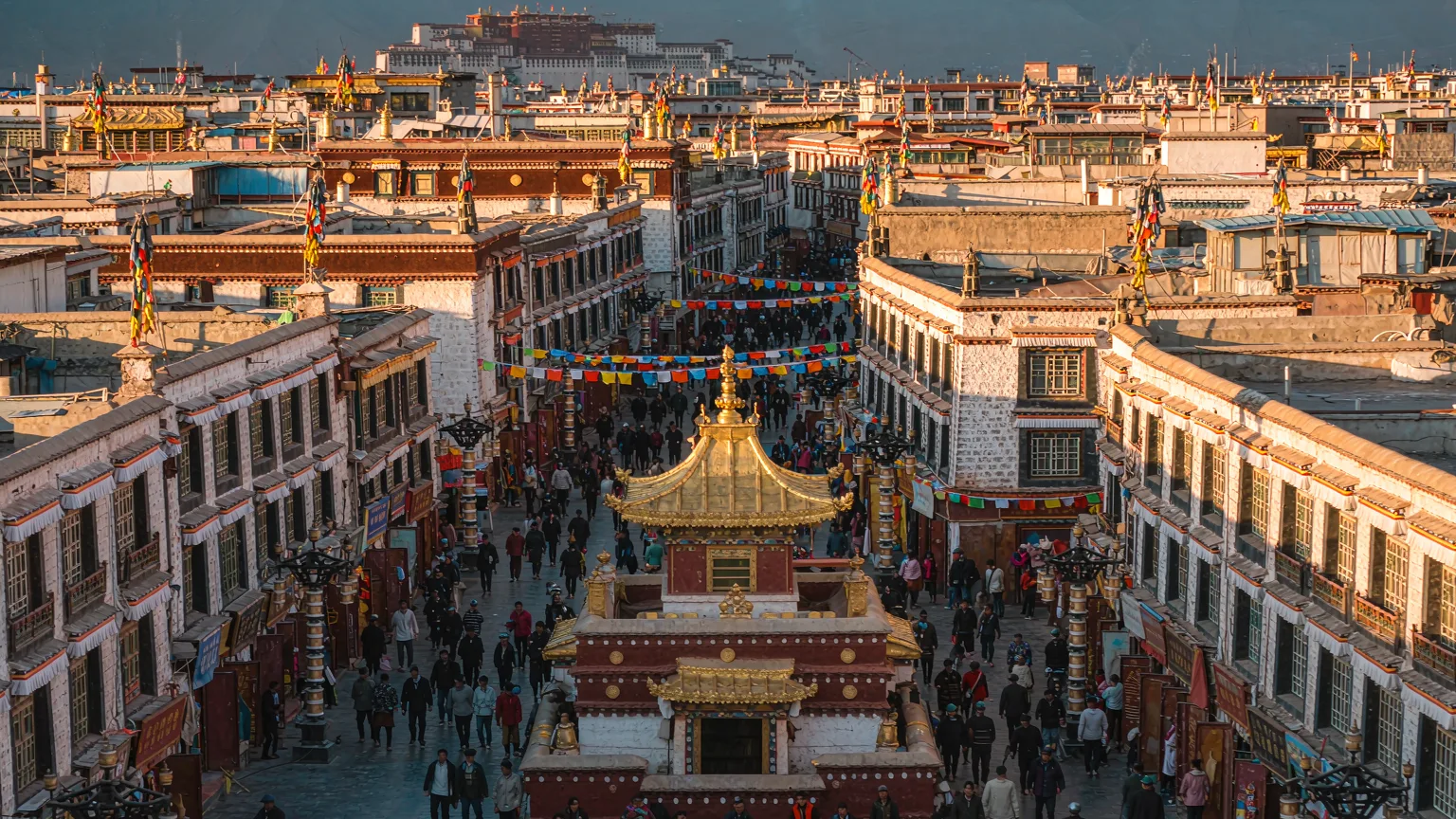
Third, book the car: shared tours cost less but run fixed schedules, while a charter buys flexibility and longer stops; confirm departure time (usually six or seven in the morning), vehicle type and the driver's experience. Spend the afternoon on low intensity, tea on the Barkhor, sun at Zongjiao Lukang, and sleep early. Anyone with an unresolved cold, alcohol still in the system, or a badly sleepless night should cancel; that is not a loss but a stop-loss.
Day Two: Namtso, the Nagenla Pass and Tashi Peninsula
Leave at dawn and run north on the Qinghai-Tibet highway, about four hours. The Nagenla pass at 5,190 meters is the trip's altitude peak: fifteen minutes off the bus at most, walking slowly, no jumping, prayer flags framing the first distant view of Namtso, but the body outranks the photo. Past the pass the road drops to the shore, the water shifting between blue and deep blue with the light.
Tashi Peninsula is the main lakeside zone; the Praying Hands rock and the shoreline need two to three unhurried hours, everything at half speed. Lunch is simple lakeside fare or packed food, turn back by three, and reach Lhasa by evening. A real headache or sleepless night afterward is the standard toll of 5,190 meters, so water and early bed; only if it persists into the next day should you see a doctor.
Day Three: Recovery in Town and the Debrief
Day three books nothing at altitude. Wake without an alarm, take a long breakfast at a nearby tea house, sweet tea and noodles, and stroll Zongjiao Lukang or the Potala Square perimeter before noon, two or three kilometers at most. After the 5,190-meter ordeal, your metabolism wants a full gentle day.
Spend the afternoon on photos and the debrief: Namtso's blue changes with weather and hour, gray-blue under cloud and most vivid at clear midday, so judge your shots against that, not against doubt. Feeling good by evening, add a yak hotpot to refill the tank, then continue onward or wind down for departure. Three days at RMB 500-900 per head buys Tibet's most theatrical lake inside a proper safety margin.
| Getting around |
|
| Budget | Namtso entry about RMB 120, shared car or charter RMB 150-300 pp, oxygen canisters RMB 20-50 each: roughly RMB 500-900 pp over three days |
| Best time | The open season runs May-Oct, with winter closures common; spend at least three days acclimatizing in Lhasa first, and pack winter-grade layers for the lakeside wind |
FAQs
How many days in Lhasa before Namtso is safe?
Go only after three full days of acclimatization in Lhasa with no lingering symptoms; rushing there within two days of arrival is the classic altitude-accident script, so reschedule rather than risk it.
Will I feel bad at the lakeshore, and how long should I stay?
At 4,718 meters most people feel some shortness of breath and head throb, tolerable at half speed; two to three hours is the comfort ceiling, and worsening symptoms mean straight back to the vehicle with oxygen.
Can I visit Namtso in winter?
The frozen lake is spectacular, but pass closures and extreme cold make the access window unreliable, and the scenic area formally closes, so winter is not recommended for ordinary travelers.
Can children go to Namtso?
Not for young children: the altitude is high, medical help is far, and kids report and manage symptoms poorly. Fit, well-adapted teenagers can go with a careful assessment first.