
Old Nanchang reads best on foot. This line skips the big booked museums and chains four walkable points: Bayi Square as the city's geometric and spiritual origin, Youmin Temple and Baihuazhou for the quiet old town, the Wanshou Palace lanes for afternoon light and tea, and Shengjin Pagoda to close the day with food and lanterns.
The full loop runs about fifteen thousand steps, with bus and metro links between stops so you can cut it anywhere. The pleasure of the old lanes lives a few steps off the main streets, in the watch repairers, barbershops and chess tables; time given to them beats another rushed sight.
Itinerary at a glance
| 09:00 | Bayi Square and the August 1 Memorial Tower |
| 10:30 | Youmin Temple and Baihuazhou: The Quiet Side of the Old Town |
| 14:00 | Wanshou Palace Historical Block: The Afternoon Lanes |
| 17:30 | Shengjin Pagoda and the Food Street: A Lantern Finale |
The route, stop by stop
Bayi Square and the August 1 Memorial Tower
Start at Bayi Square, the city's origin point. The memorial tower rises on the axis, its reliefs telling the shot of 1927, while morning regulars exercise and children feed pigeons, the best people-watching in town, and the morning light flatters photographs.
Soviet-style buildings line Bayi Avenue around the square; walking toward the Zhongshan Road corner, the pace drops into old-town register. The stretch is flat all the way, saving your legs for the afternoon lanes.
Youmin Temple and Baihuazhou: The Quiet Side of the Old Town
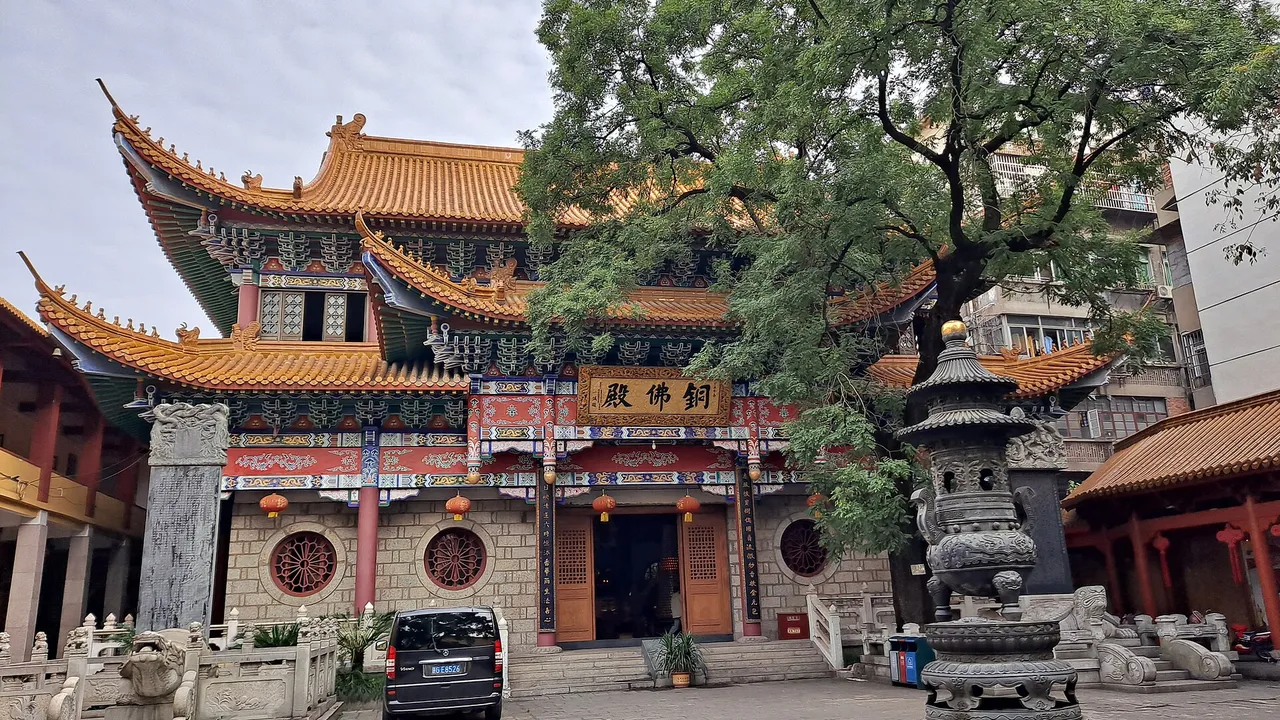
Head west to Youmin Temple, a thousand-year sanctuary tucked among apartment blocks, heavily incensed, its ancient camphors and bronze Buddha straight out of old photographs. Inside it is hushed; dress modestly and lower your voice, the bell and the traffic separated by one wall.
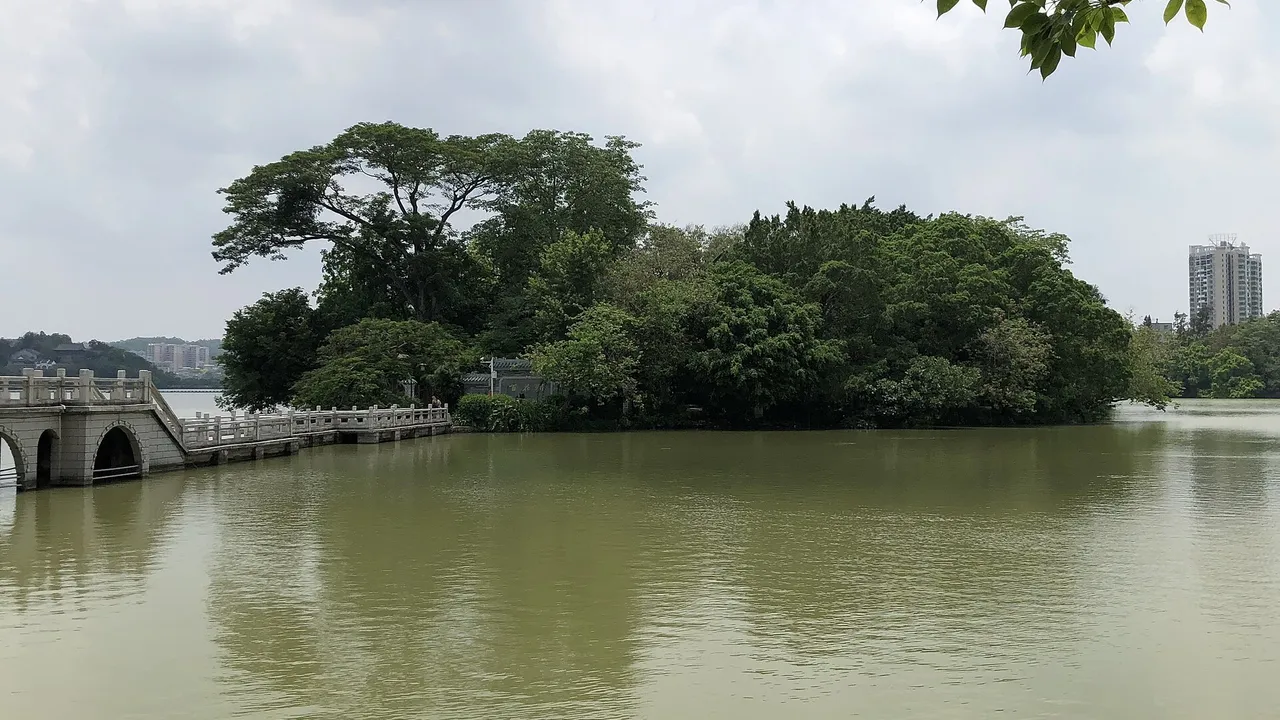
Minutes away lie Baihuazhou and Bayi Park, where East Lake spreads the old town's reflection, chess players and tea-opera amateurs along the banks. Dense shade covers the whole stretch, and benches appear whenever legs tire.
Wanshou Palace Historical Block: The Afternoon Lanes
Slip into the Wanshou Palace lanes after lunch. Afternoon light slants into the narrow alleys and paints the brick walls, while tea-opera requests from the teahouses, temple incense and shop chatter braid into the liveliest cross-section of the old town.
Take the side lanes off the main street, where watch repairers, tailors and old barbershops still open their doors and owners will happily chat. When tired, settle into a teahouse; one jasmine tea can carry you to lamplight.
Shengjin Pagoda and the Food Street: A Lantern Finale
Reach Shengjin Pagoda by dusk. The seven-story octagonal tower anchors the city, its shadow falling across the square as lamps come on, and the food street beside it hits dinner rhythm with clay-pot soup, fried noodles and grills in a row, ending the walking day on a hot meal.
The Shengjin block runs more local than Wanshou Palace, thinner crowds and honest prices. If energy remains, browse the square's market stalls for handmade trinkets and old toys, souvenirs with real life in them.
| Getting around |
|
| Budget | Mostly free stops; temple donations and snacks total about RMB 50-100 pp. |
| Best time | Year-round, best in spring and autumn; in summer keep outdoor stretches before 9 am and after 5 pm. |
FAQs
How much walking does this route take?
About fifteen thousand steps, no joke for the untrained. Buses and metro link every gap, so cut wherever legs give out and spend two stops of transit saving strength for the pagoda night. Splitting into two morning and two afternoon stops with a hotel hour between works perfectly.
Do Youmin Temple and Shengjin Pagoda charge entry?
The temple asks a few-yuan donation ticket bought on site; the pagoda block is free with a separate climb ticket at posted prices and hours. Neither books ahead and weekday queues are trivial. Respect photo rules: halls and the tower interior are usually off-limits.
Morning or afternoon for this route?
Start at the square in the morning: kind light, low sun, and the temple and lake at their quietest before noon. Wanshou Palace wears its best light mid-afternoon, and the pagoda takes the lantern-lit dinner slot. Reversed, the open square absorbs the harshest sun, bearable in winter, punishing in summer.
What should I watch for in the old lanes?
Three things: flagstones slick after rain, so wear grip; e-bikes fill the lanes, keep to the edge; older shops mix mobile payment with small cash, so carry change. Ask before photographing shopkeepers and residents, basic lane etiquette that usually earns a friendly go ahead.