
Nanchang wakes inside a clay pot and surrenders to a spoonful of chili. The city eats on a strict clock: clay-pot soup and mixed noodles open the morning, the late-morning belongs to street sweets, the afternoon holds out for a proper Jiangxi dinner, and only after nine do Hama Street's woks really fire. Follow the meal clock and one day eats like three.
No rushing here: four stops across the old town and south of it, chained on foot plus two bus stops. Stomach capacity is the only constraint, so every station obeys one rule, taste and stop, saving room for the next sitting.
Itinerary at a glance
| 07:30 | Clay-Pot Soup and Mixed Noodles: The City's Start Button |
| 10:30 | Wanshou Palace Block: Sugar Cakes and the Morning Round |
| 14:00 | Shengjin Pagoda Food Street: A Proper Jiangxi Dinner (at Two) |
| 18:30 | Hama Street Late Night: Snails, Skewers and One More Fried Noodle |
The route, stop by stop
Clay-Pot Soup and Mixed Noodles: The City's Start Button
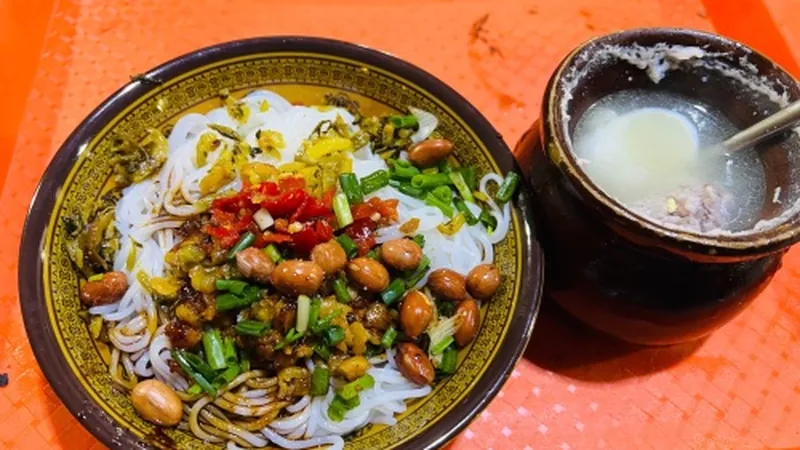
Nanchang's morning starts with a pot. Clay jars smolder over coals all night; lift the lid and the aroma of meat-patty soup arrives first, the broth clear and never greasy. Pair it with mixed rice noodles blanched for seconds, tossed with chili flakes, preserved radish and peanuts, each strand springy.
The veteran combo is one soup, one noodle bowl and a tea egg, under RMB 20 a head. Drink the soup scalding and toss the noodles hot; start mild, because Nanchang's chili is dry and its afterburn sits in the throat.
Wanshou Palace Block: Sugar Cakes and the Morning Round
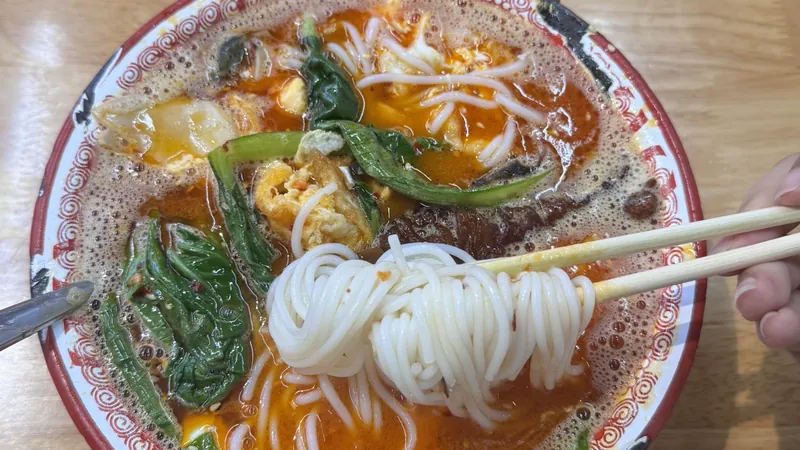
Late morning is the block's sweet hour. Fresh-fried sugar cakes roll in powdered sugar, faintly crisp outside and chewy within; at the street mouth, Nanchang fried noodles carry true wok breath, every strand distinct, bean sprouts and chives strictly supporting cast. Walk and taste, half portions only.
Keep a third of your stomach for lunch. The lanes also stock Shitou Street fried dough twists and candied stalls, the twists crisp and travel-worthy, instant souvenirs. Before eleven the crowds are thin and vendors have time to talk technique.
Shengjin Pagoda Food Street: A Proper Jiangxi Dinner (at Two)
The afternoon's proper meal lands on the Shengjin food street. The Jiangxi pairing: artemisia stems stir-fried with cured pork, the greens crisp and faintly herbal, seasoned by the pork's salt; add the classic Yugan dried chili fried pork, and order rice by the double bowl.
Spice-shy diners should say mild first; Jiangxi heat does not negotiate. A cup of herbal tea cuts the grease, and two laps around the pagoda square settle it while reclaiming half a stomach for the night.
Hama Street Late Night: Snails, Skewers and One More Fried Noodle
After dark, head to Hama Street, the heart of Nanchang's night eating. Perilla stir-fried snails anchor every table, the technique is the slurp, toothpicks only as backup; beef-fat skewers and charcoal grilled carp perfume the lane, closing with the night-only fried noodle.
The stalls peak after ten, plastic stools around trestle tables the standard, and a few dozen yuan feeds you well. Everything cooks to order, so no rushing: slurp and chat while the woks work, which is precisely the city's nighttime looseness.
| Getting around |
|
| Budget | Graze all day for about RMB 120-180 pp; with one proper Jiangxi dinner it tops out near RMB 200. |
| Best time | Year-round; breakfast stalls fold after 9 am while the night lane peaks after 8 pm, so time both ends. |
FAQs
Can a no-spice eater still eat well in Nanchang?
Yes, but you must speak up. Order no-spice or mild first: clay-pot soup is spice-free by nature, noodles can take chili on the side, and artemisia with cured pork loses nothing sans heat. Nanchang chili seeps, so distrust assurances of mild and default to mild, with chili paste as an afterthought.
How should sensitive stomachs plan the day?
Hot soup and hot noodles at breakfast are the safest opening; skip cold-dressed and raw-cured items; insist skewers are charred through and snails alive with open shells. Carry stomach remedies, hydrate by meal, and leave three hours between sittings. Four rounds is a bombardment, so dropping one is fine.
What does a four-meal day cost per person?
Breakfast near RMB 20, mid-morning snacks RMB 20, dinner RMB 60, late night RMB 50: a very dignified day lands near RMB 150. Shopfronts in the famous blocks run thirty percent over lane-side resident stalls, so walk into the lanes; five dishes split by two is the optimal play.
Do the famous shops queue, and when should I go?
Veteran breakfast shops queue worst at 7:30-8:30, so arrive half an hour early to sit immediately; Wanshou Palace crowds on weekends, calmest weekday mornings; the night lane inverts, empty stalls before eight, table waits after ten. Follow the local meal clock and you never wait long.