
Nanjing's appetite keeps its own schedule: dawn belongs to a bowl of wontons freckled with chili oil, noon demands a seated Huaiyang meal, the afternoon's homework is duck in three forms, salted, pressed and in vermicelli soup, dusk opens the Confucius Temple stalls, and if capacity remains, a veteran duck banquet closes the night best.
The line links three zones: morning wonton shops tucked into old residential blocks, the Huaiyang lunch in a business district, then back to the temple area by afternoon and downtown for the finale. Metro plus walking, meals spaced apart; stomach capacity is the only constraint.
Itinerary at a glance
| 07:30 | Wang Family Wontons: Chili Oil Is the Soul |
| 11:30 | Xiao Chu Niang Huaiyang: The Proper Way with Lion's-Head Meatballs |
| 15:00 | Zhang Yun Duck and the Confucius Temple: An Afternoon of Salt and Smoke |
| 18:30 | The Plum Garden at the Jinling Hotel: A Grand Finale |
The route, stop by stop
Wang Family Wontons: Chili Oil Is the Soul
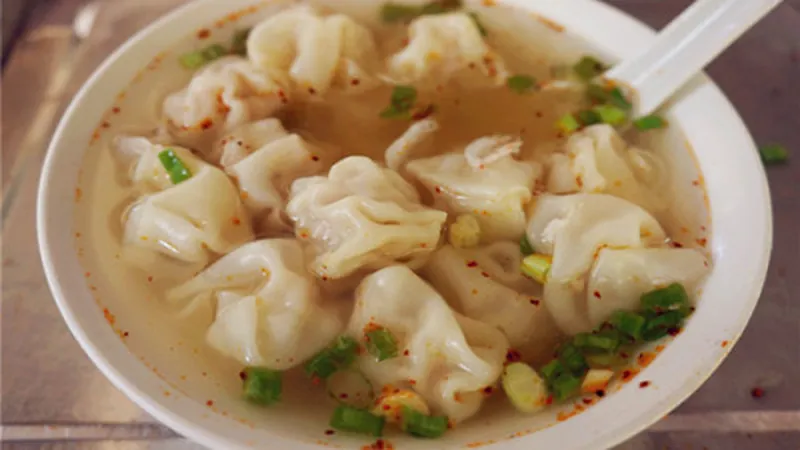
Nanjing mornings often begin with small wontons. Wang Family is a local veteran: wrappers thin as gauze, filling barely a fingernail, the point being skin and broth, a bone stock under dried shrimp, pickled greens and seaweed, and that final spoon of chili oil, the single test of any wonton shop, fragrant without bullying.
The local combo pairs wontons with steamed rice or a fried dough stick, one dry one wet. Do not underestimate a ten-yuan breakfast; it sets your first impression of the city. Branches dot the old town, so pick a resident-block shop, when the steam is at full around 7:30.
Xiao Chu Niang Huaiyang: The Proper Way with Lion's-Head Meatballs
Noon calls for a seated meal. Xiao Chu Niang, a local Huaiyang chain, keeps a stable menu with no gambles: clear-stewed lion's-head meatballs arrive in a claypot, broth bright, meat falling apart at a chopstick touch, the fat-to-lean ratio being where the craft shows. Salted duck, white-skinned and tender, carries a clean salty sweetness, the other benchmark for any Huaiyang kitchen.
For two: one stewed lion's head, half a salted duck, a vegetable, rice, about RMB 60-70 pp for a respectable spread. Queues build at mealtime; seated before 11:30 dodges the first wave.

Zhang Yun Duck and the Confucius Temple: An Afternoon of Salt and Smoke
First stop of the afternoon is the duck queue. The line at Zhang Yun is locals year-round, the chopping block clattering from morning to night: pressed duck firm and salty-sweet for drinkers, salted duck the everyday cut, chopped to order, vacuum-packed for the train. Buy half a salted duck and ask for a side pouch of brine, the insider trick for dressing hotel rice.
With duck in hand, wander into the Confucius Temple quarter to digest. Veteran jelly shops, the pastry house's red-bean pudding and sweet taro, beef pot stickers, names forty years deep. Graze by thirds here, one third of each, saving the stomach for night.
The Plum Garden at the Jinling Hotel: A Grand Finale
The finale goes to the Plum Garden at the Jinling Hotel, a veteran Huaiyang dining room decades deep and the city's respectable choice for hosting. Craft dishes like golden-brick shaomai, clear-stewed specialties and de-boned braised silver carp head appear here in textbook form, with a finer cut of salted duck. The room is hushed, the service old-school thorough.
To trim the budget, Jiangnan Zao inside the Shangri-La is another top option, its braised pork and lion's heads well argued; a step further down, Lüliuju's vegetarian and halal tables carry old Nanjing's blessing. Three tiers, roughly RMB 100-300 pp, so let the wallet choose the closing pose.
| Getting around |
|
| Budget | Grazing all day runs RMB 120-200 pp; upgrading dinner to the Plum Garden brings it to RMB 300-450. |
| Best time | Year-round; wonton stalls peak at dawn, duck shops fry fresh batches mid-afternoon, and proper restaurants reward arriving before meal rush. |
FAQs
Can one stomach survive this much food in a day?
Eat to seventy percent each sitting and graze the afternoon by thirds. The plan spaces meals over four hours apart, and the morning bowls and duck portions run small. If lunch overfills you, reduce the temple round to a red-bean pudding and trim the banquet order accordingly.
Do the famous places need reservations or queues?
Breakfast stalls need no booking, just an early arrival; Xiao Chu Niang queues clearly at mealtime, so come half an hour early or seat before 11:30; proper dining rooms like the Plum Garden require reservations, a day ahead on weekends. Temple snack stalls are walk-in except holidays, and weekday afternoons run clear.
Any options for duck-avoiders or halal diets?
The duck culture runs deep but substitutes abound: Lüliuju is itself a veteran halal house famous for vegetarian buns and banquets; Huaiyang staples like stewed lion's heads, shredded tofu in broth and braised eel contain no duck; wontons and soup dumplings are duck-free throughout. The beef pot stickers at the temple are halal street food, safe to enjoy.
What should sensitive stomachs watch for?
Three points: go light on chili oil in the first bowl, fragrant but with a delayed kick; avoid rapid hot-cold swings in the afternoon, a warm bite between chilled jelly and pudding; and the banquet's craft dishes run rich, so keep one vegetable on the order. Pack stomach remedies; the day is mild overall but a buffer helps under continuous assault.