
Nanjing's shopping map has two layers: Xinjiekou tops the modern tier, Deji Plaza's windows standing beside an art museum; Laomendong and the Confucius Temple hold the street tier, design shops, old brands and souvenir stalls mixed together. This line walks both in one day, air-conditioning in the morning, hunting design in the lanes by afternoon, and assembling the take-home bag at dusk.
Three disciplines: buy cultural goods from shops with real designers, pricier but never same-old; for brocade and velvet flowers pick proper stores with clear price tags, since roadside ten-yuan blooms are synthetic; ask about shelf life and vacuum packing before haggling edibles. Bring one big canvas tote and life gets easier.
Itinerary at a glance
| 10:00 | Deji Plaza at Xinjiekou: Morning in the Top Commercial Circle |
| 13:30 | Librairie Avant-Garde Wutaishan: Nanjing between Book Covers |
| 15:30 | Laomendong Design Shops: A Sense of Design in the Lanes |
| 17:30 | Confucius Temple Souvenirs: Filling the Last Bag |
The route, stop by stop
Deji Plaza at Xinjiekou: Morning in the Top Commercial Circle
Xinjiekou is called China's top commercial circle and Deji Plaza is its flagship: seven floors from accessible luxury to the top houses, a food court in the basement. The real easter egg lives on the eighth floor, where the Deji Art Museum hangs Jinling painting and archaeology shows year-round, what sets this mall apart from its peers.
Enter at the 10 am opening when beauty and fashion counters are calm and staff patient. Tax refunds process at the service desk, so carry passport and receipts. On a budget, basement plus eighth floor suffice: one feeds you, the other feeds the eye.
Librairie Avant-Garde Wutaishan: Nanjing between Book Covers
The air-raid-shelter branch of Librairie Avant-Garde is the city's cultural calling card, its ramp, cross, old postbox and shelf ranks forming one of China's most reproduced bookshop scenes. The design zone sits by the entrance: city-themed postcards, canvas totes and bookmarks, mostly tens of yuan, the best-value Nanjing souvenir there is.
For books, head to the Nanjing shelf, urban histories, essays on plane trees and walls, local novelists, and one volume outweighs any fridge magnet. Seating and coffee invite a ten-minute slowdown before the afternoon rush.
Laomendong Design Shops: A Sense of Design in the Lanes
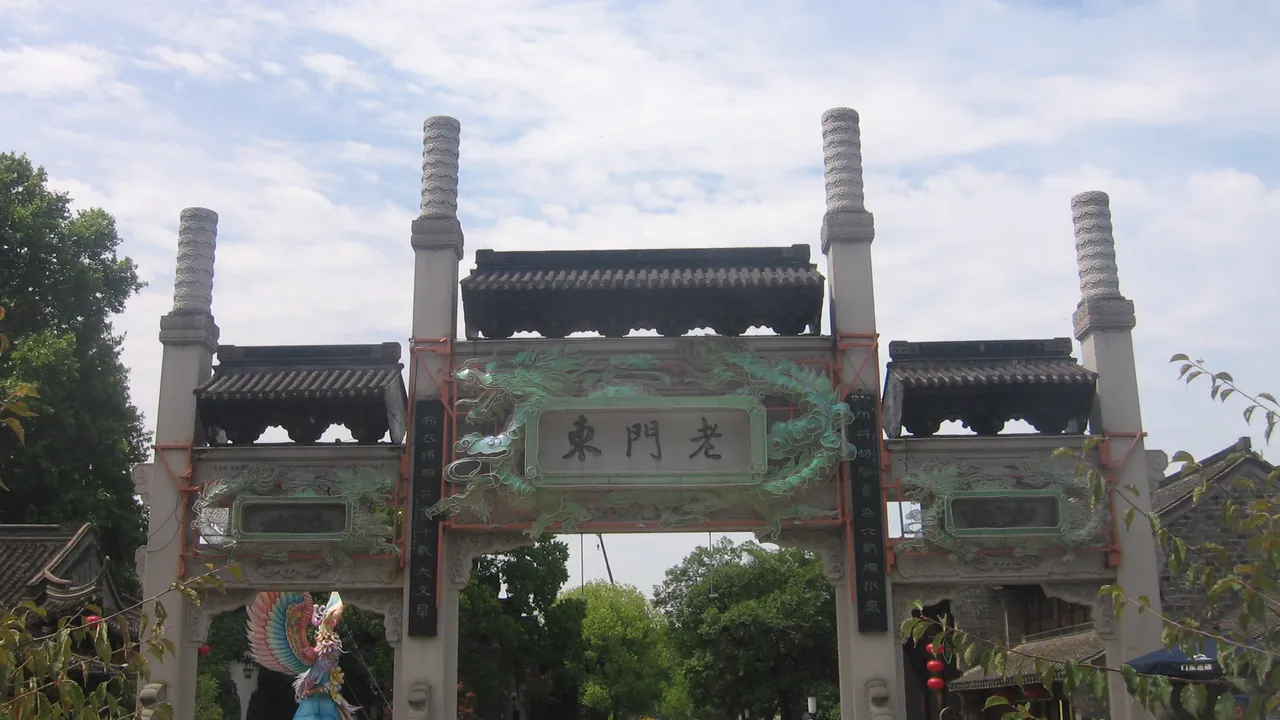
Laomendong's design shops hide in lanes flanking the main street: notebooks in brocade patterns, coasters printed from wall-brick rubbings, miniature lanterns after the Qinhuai tradition, with generally solid design. Judge a shop by its labels; designer or museum collaborations hold quality, while generic souvenir stores look identical at a glance.
Velvet flowers, a Nanjing intangible craft, are the lane's bestseller, with several hand-work studios selling hairpins and brooches from tens to hundreds of yuan. Prefer shops with street-facing workbenches, artisans twisting petals on the spot read far more trustworthy than pure resellers.
Confucius Temple Souvenirs: Filling the Last Bag
The shopping day closes at the Confucius Temple with the take-home list: Yuhua tea in tins, pre-Qingming small-leaf grades and tins outlast paper bags; vacuum salted duck from the day's batch; Yuhua stones sold by weight, collectible-grade pieces from tens of yuan, and beware dyed stones under show lighting.
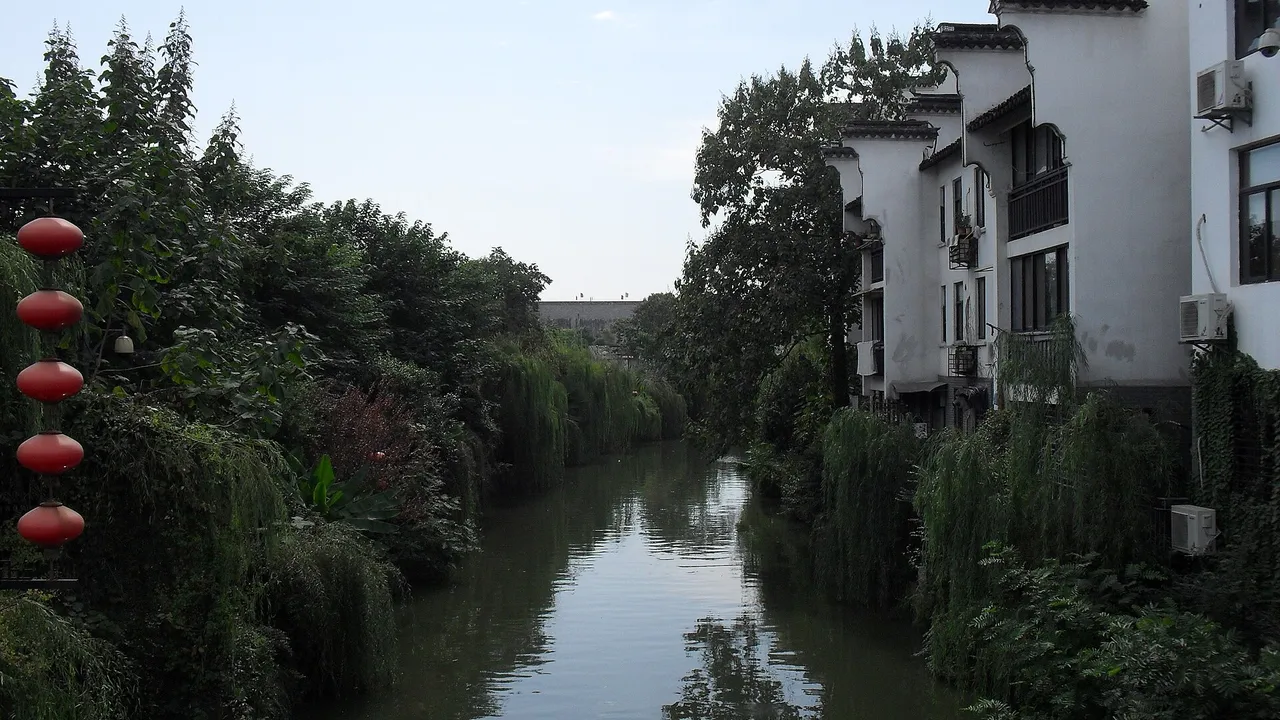
Chain specialty stores on the main street post honest prices but run high; resident-run shops in the lanes cost twenty to thirty percent less. When the bag is full, sit by Wende Bridge a while, watch the river light up, and hand the rest of the day to your suitcase.
| Getting around |
|
| Budget | Souvenir budgets swing wide, from ten-yuan bookmarks to brocade in the thousands; most travelers finish respectably within RMB 300-800. |
| Best time | Any season; mall floors run quietest on weekday mornings, while design shops restock fullest by weekend. |
FAQs
How do I judge brocade and silk quality?
Read the fiber label first, clear silk or mulberry-silk notation with honest weight; then touch, silk drapes cool and fluid while synthetics float and shine; finally check the reverse, handwoven backs show layered loose ends while machine lots look unnaturally neat. Prices below any cost logic mean diluted fibers, so simply refuse the bargain.
Which souvenirs can fly?
Vacuum salted duck and other meats generally fly as domestic checked baggage, but most countries bar meat imports, so switch to Yuhua tea, stones, small brocade and books. Tea needs sealed packs; liquids like liquor must be checked. Safest is checking destination customs before departure and asking shops for intact original packaging.
Is Deji Plaza worth a special trip versus ordinary malls?
Yes, but know the aim: for luxury and international beauty, Deji's authenticity plus tax-refund service are hard advantages, and the eighth-floor art museum admits visitors without purchase, rare added value for a mall. If you only want souvenirs and design goods, skip Xinjiekou entirely and give the hours to Laomendong for better value.
Are Yuhua stones a rip-off?
Natural stones price by pattern and weight, tens to hundreds of yuan for ordinary veining, a fair souvenir; only the thousand-yuan miracle stones and dyed lamp-lit stalls are traps. Ask for a labeled weight, compare three stalls, and under one hundred yuan a visitor lands a stone both real and lovely.