
Putuoshan's table splits in two worlds: the temple's vegetarian kitchen working bean products, fungi and seasonal greens in fine brushwork, and the East China Sea's catch, hairtail, pomfret and silver ruff, lining up in noodle bowls. Feeding both appetites in one day is the island's honest eating.
Run island first, mainland last: vegetarian meal, seafood noodles and tea sweets on the island by day, then the evening ferry off to the night stalls of Shenjiamen fishing port on Zhoushan proper. The day splits half eating, half walking, with no rush anywhere.
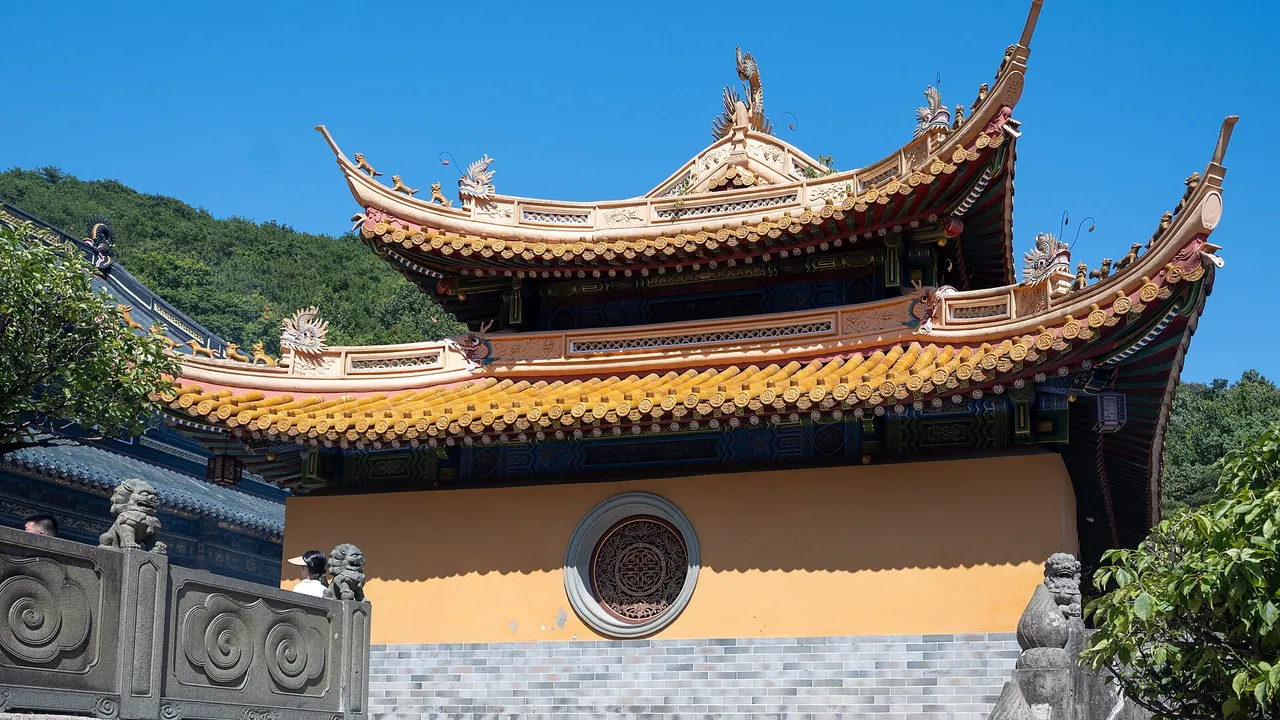
Itinerary at a glance
| 11:00 | Temple Vegetarian: The Rules of the Refectory |
| 14:00 | Seafood Noodles: The Bowl That Sets the Standard |
| 16:00 | Guanyin Pastry and Putuo Tea: Teatime in the Sea Wind |
| 18:30 | Shenjiamen Night Stalls: Dinner at the Fishing Port |
The route, stop by stop
Temple Vegetarian: The Rules of the Refectory
The refectories around Puji and Fayu welcome visitors, serving arhot stew, plain noodles and seasonal vegetables at thirty to sixty yuan a head. The flavor of temple cooking is cleanliness: little oil, mild seasoning, ingredients speaking for themselves; heavy-taste eaters balk at the first bite and want seconds by the bowl's end.
Refectory meals follow rules: silence, no leftovers, bowls and chopsticks squared, refills by gesture. Mirror your neighbor; the meal is about the monks' daily dining as much as the dishes, the best value passage in the whole Putuoshan experience.
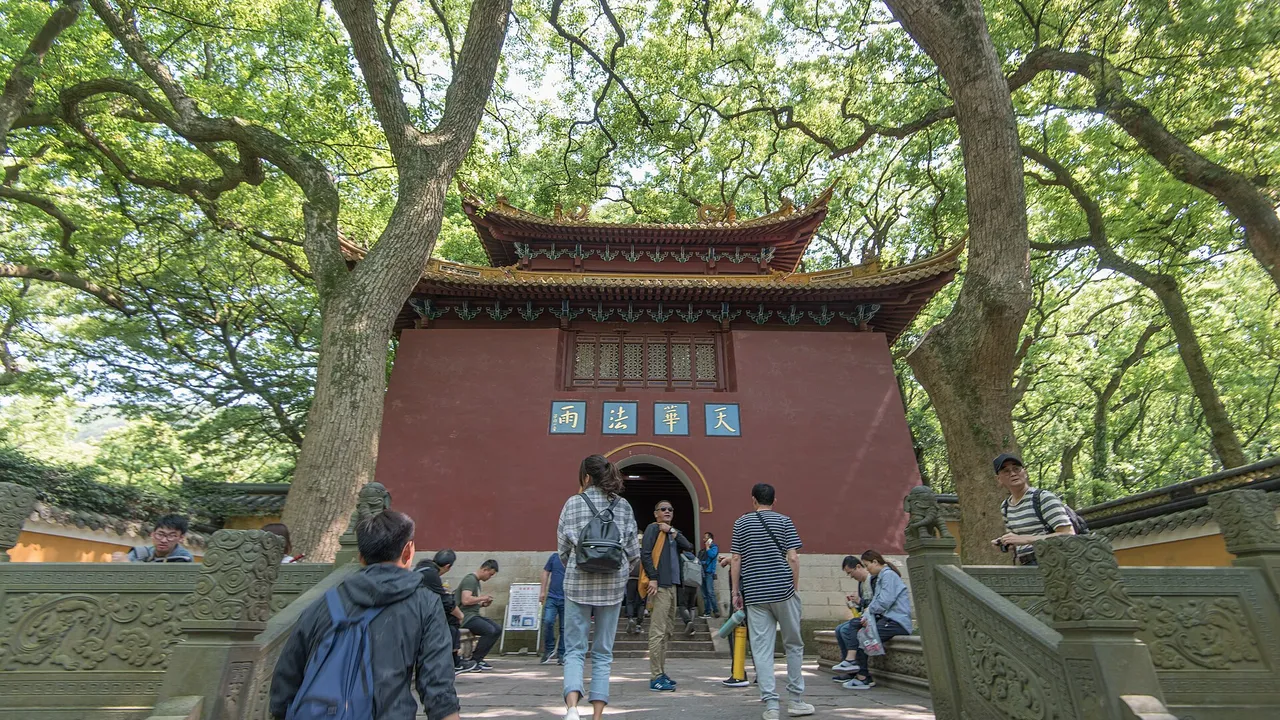
Seafood Noodles: The Bowl That Sets the Standard
Zhoushan seafood noodles run on the logic of medley: one bowl packed with silver ruff, pomfret chunks, clams, shrimp and fish cake, the broth raised on fish bones and shrimp shells, rice or thin noodles drinking it all. Noodle shops cluster in the lanes between the pier and Puji at twenty-five to forty-five yuan a bowl.
State your taboos when ordering and the owner picks from the day's catch in front of you. The standard for judging is blunt: the broth must gleam with freshness and the toppings must bury the noodles from sight.
Guanyin Pastry and Putuo Tea: Teatime in the Sea Wind
Teatime belongs to two island specialties. The Guanyin pastry is Putuoshan's signature, flaky skins wrapped around red bean or seaweed fillings, its name tied to the Guanyin legends, best straight from the oven before the skin softens. Putuo temple tea grows in the island's own gardens, the buds carrying a clean island note and a clear sweet return.
Find a seat facing the sea, one pastry, one pot, half an hour. Most day visitors have started drifting toward the pier by now, the island briefly quiet, the best value half hour of the whole day.
Shenjiamen Night Stalls: Dinner at the Fishing Port
Take the evening ferry off-island to Shenjiamen fishing port on Zhoushan proper. The night stalls line the harbor in a row, the day's landings going straight onto evening ice: mantis shrimp, swimming crab, yellow croaker, baby octopus, ordered by portion or by weight, weighed and cooked to order.
The strategy is to ask the day's prices before ordering, shellfish and crab by the catty, small fish by the portion. Four or five dishes suit two people, with a local beer. Harbor lights, diesel and sea wind all mix into the meal, the finale of the day's tastes and the best landing for a Putuoshan day.
| Getting around |
|
| Budget | Vegetarian meals RMB 30-60, seafood noodles RMB 25-45, pastry and tea about RMB 30, night stalls RMB 100-180 pp; roughly RMB 200-320 for the day. |
| Best time | Year-round; the autumn post-fishing-ban season brings the fattest seafood, and temple meal hours are fixed, so sit before eleven. |
FAQs
Where is the most authentic vegetarian meal?
The temple refectories around Puji and Fayu are the real thing, by donation or a few tens of yuan, arhat stews and plain noodles. Town vegetarian kitchens are steady too, winning on flexible hours. Eat both if possible: the refectory for its discipline, the kitchen for its craft, no need to choose.
Is there time for off-island night stalls?
Yes, provided tea ends by four: sail off around half past five, forty minutes of cross-sea transfer, seated in Shenjiamen just past six. If the evening sailing runs crowded, convert the night stalls into tomorrow's dinner rather than scramble the pier.
Is the seafood-noodle broth drinkable? Too fishy?
Drink it, for the broth is the soul: Zhoushan kitchens raise it fresh on fish bones and shrimp shells, the savor coming from ingredients rather than MSG. The fish-broth-averse should order fish-only toppings and skip clams and silver ruff; asking for extra ginger and rice vinegar is the local universal fix.
What should sensitive stomachs watch on this day?
Four points: temple vegetarian is safest and should carry the day; order noodles cooked to order in rolling broth, never ones pre-soaked cold; skip raw-cured and wine-soaked dishes at the stalls entirely; and eat shellfish fully cooked. Pack remedies, for the sea air runs damp, and hot ginger tea beats cold beer at dinner.