
Shangri-La's culture stacks in two layers: one in museums, from the tea-horse road to the Red Army's passage over snow mountains and grasslands; the other in workshops, where thangka's mineral pigments and incense's thirty-odd herbs are still alive. Mornings read the first layer, afternoons touch the second by hand.
A culture day here runs light on legs: all four stops sit in town within ten-minute rides, saving strength for the altitude. Museums and workshops alternate, with sweet-tea gaps left between every leg.
Itinerary at a glance
| 09:00 | Diqing Prefecture Museum: The Highlands' Holdings |
| 11:00 | Diqing Red Army Long March Museum: Memory of Snow Mountains and Grasslands |
| 14:30 | A Thangka Studio: An Afternoon of Mineral Pigment |
| 16:30 | Songlin Tibetan Incense Heritage Site: The Labor of One Hand-Rolled Stick |
The route, stop by stop
Diqing Prefecture Museum: The Highlands' Holdings
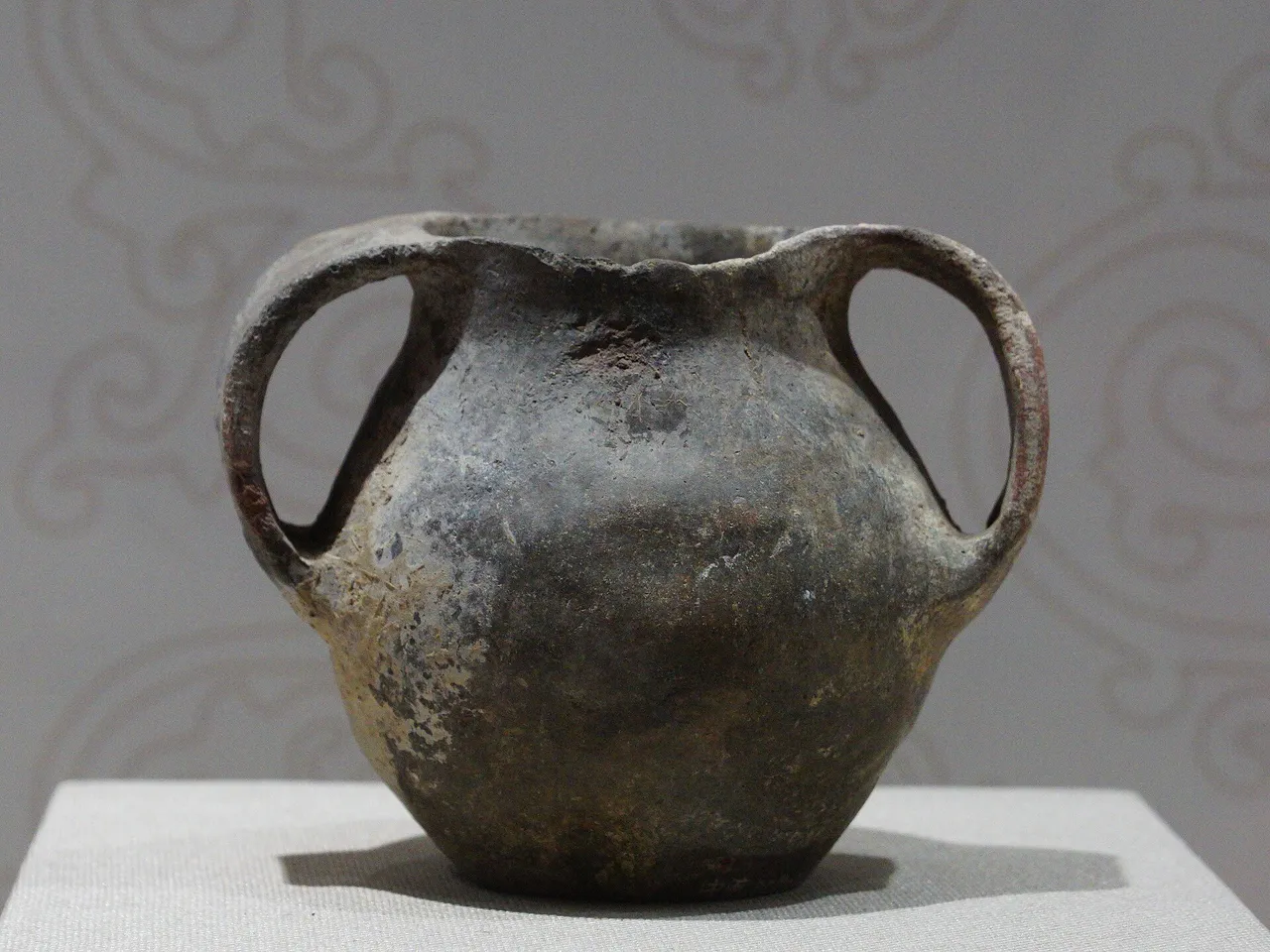
Enter at opening. The line starts with Diqing's geography, the Hengduan ranges and the rivers-running-parallel landscape, then moves into the ethnographic and religious halls: dress, ritual objects and household wares of Tibetan, Lisu and Naxi communities, laying the plateau's daily life open.
Give extra time to the tea-horse-road unit: caravan tackle, route maps and old photographs of Dukezong, which will hand you a second reading of the old town once you walk it. Ninety minutes all told.
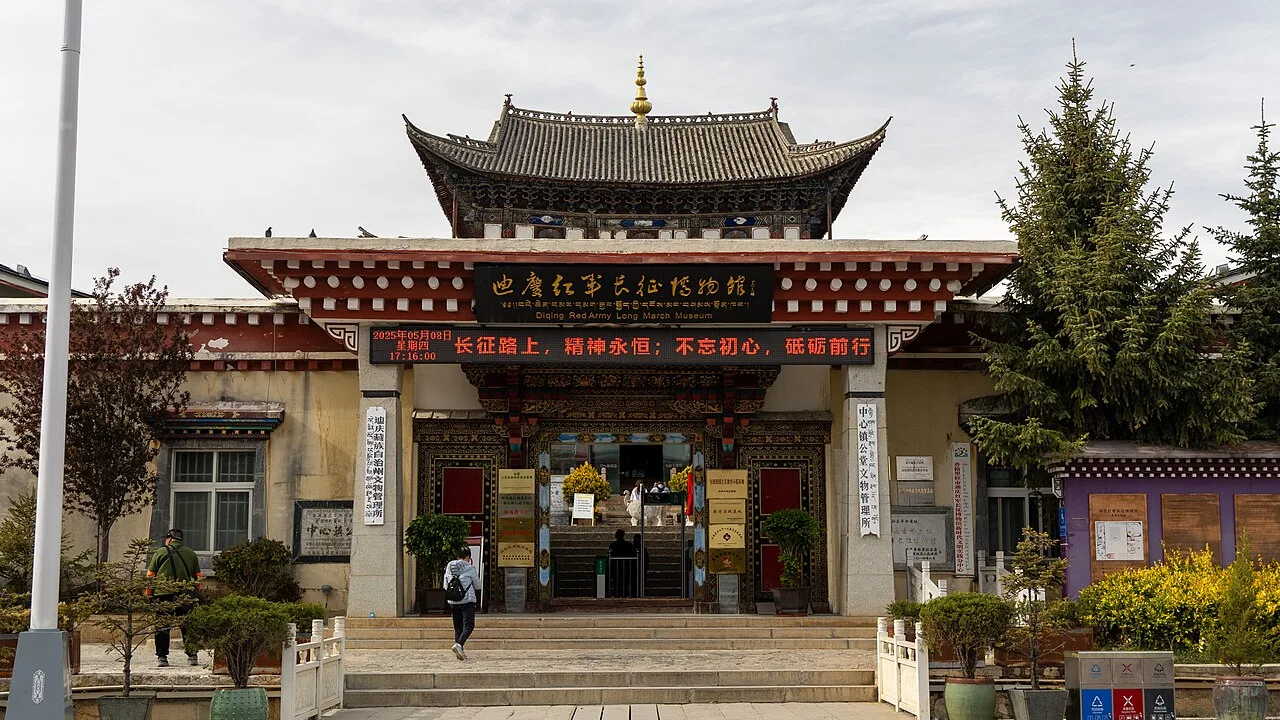
Diqing Red Army Long March Museum: Memory of Snow Mountains and Grasslands
Walkable from the prefecture museum, the Long March museum records the Second and Sixth Army Groups' passage through Diqing in 1936. Maps, artifacts and materials on local Tibetans' support for the troops recover a plateau chapter often skipped in the broader story.
The holdings are compact, an honest hour to read well. Bilingual captions run complete, so even newcomers follow the narrative smoothly, and the exit passes the old central-town hall, itself a heritage building.
A Thangka Studio: An Afternoon of Mineral Pigment
The afternoon enters a thangka studio near the old town. Painters first lay the charcoal drawing, then fill color layer by layer with mineral and plant pigments, gold outlining saved for the last. Even a small thangka takes months, and the Buddhas' proportions follow strict canonical measure, nothing freestyle.
Most studios welcome visits and short sessions: one gold-outline stroke of your own, or simply sitting beside the painter's palette. Ask where the pigments come from, green from ground turquoise, red from cinnabar, and the answers alone repay the hour.
Songlin Tibetan Incense Heritage Site: The Labor of One Hand-Rolled Stick
The day's last stop reaches the Songlin incense heritage site. Tibetan incense takes cedar as its base with saffron, musk and dozens of herbs, ground, fermented, hand-rolled into sticks and dried for seven days; the workshop's air is itself a medicine.
In the session you roll a few sticks by hand, the master correcting your grip, since a stick's evenness decides how it burns. Leave with a box from the making workshop itself, and back home, one light will bring the highlands back on schedule.
| Getting around |
|
| Budget | Venues run free or low-cost; craft sessions about RMB 50-200 pp, the day within RMB 150-300. |
| Best time | Year-round; the indoor mix suits rainy days and the harshest midday sun alike, while Mondays close some venues. |
FAQs
Museums or workshops, which deserves more time?
Workshops. Museums supply background, workshops supply craft in progress, and only the latter resists replication. Read the prefecture museum's tea-horse unit well and bank the rest, giving thangka and incense two honest hours each.
Can a total beginner enjoy a thangka session?
Yes. Sessions usually mean gilding or filling one small zone, with the master preparing the proportioned underdrawing first; your job is steadiness and focus. A slightly crooked gold line from a first-timer is normal, and the piece leaves with you, weightier than any shop souvenir.
Does incense check through, and will the scent seep into luggage?
It checks through fine; sealed commercial sticks barely scent anything, and the safe move is a zip bag mid-luggage. Undried hand-rolled sticks cannot travel with you, so the workshop dries and mails them at modest cost.
Does the culture day suit afternoon arrivals?
Run it reversed: thangka and incense on arrival afternoon, the two museums next morning. A first plateau day wants light loads, and the culture line is the city's lowest-intensity itinerary, far safer than sprinting the sights.