
Three days here trace one complete arc from faith to object: day one reads monasteries and history for the spiritual frame of Tibetan life; day two runs the heritage crafts, thangka, incense and the teaching base, watching belief settle into daily things; day three goes to Nixi township, homeland of black pottery and clay-pot chicken, to see how one pot raises a cuisine.
The pacing follows altitude: sightseeing first, all-indoor and workshop second, out of town only on day three. Sleep all three nights in the Dukezong quarter, since the more acclimatization days you bank, the easier everything after runs.
Itinerary at a glance
| 08:30 | Ganden Songzanlin Monastery: Opening the Three Days |
| 11:30 | Diqing Prefecture Museum: Reading the Highlands' Holdings |
| 14:30 | The Long March Museum: The Other Layer of Memory |
| 16:30 | Dukezong and the Guishan Prayer Wheel: Day One Closes |
| 09:30 | A Thangka Studio: Day Two Opens on Craft |
| 11:00 | Songlin Incense Heritage Site: The Logic of Rolling |
| 14:30 | The ICH Heritage Base: A School of Crafts |
| 16:30 | The Kalachakra Mandala Center: The Day's Last Piece |
| 09:30 | Tangdui Village, Nixi: The Pottery Homeland |
| 13:00 | Nixi Clay-Pot Chicken and the Road Home: The Three Days' Signature |
The route, stop by stop
Ganden Songzanlin Monastery: Opening the Three Days
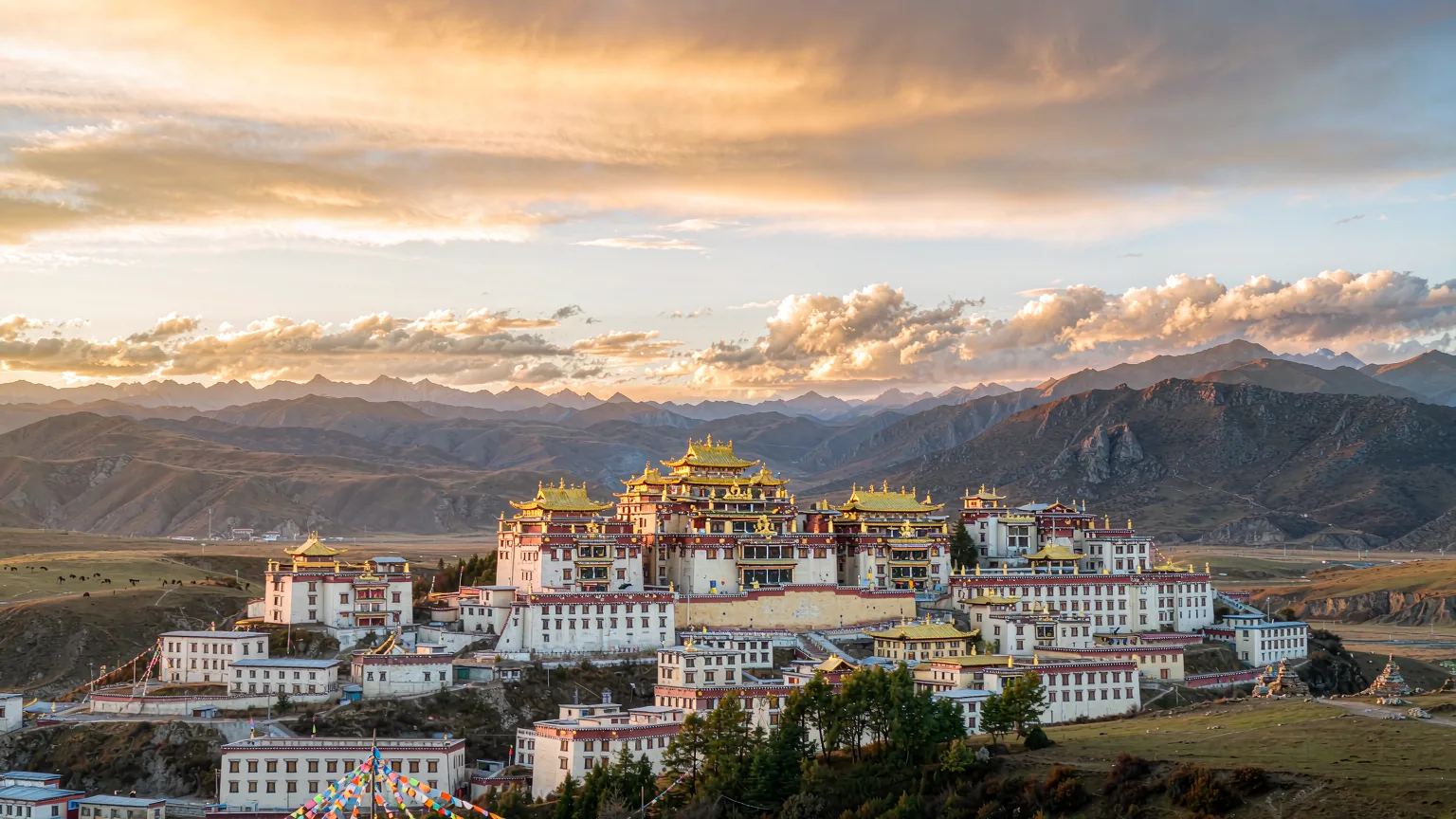
Day one's morning goes to Songzanlin, Yunnan's largest Tibetan Buddhist complex. When dawn light spills over the ridge, gilt roofs and white walls kindle floor by floor, with the lake reflection below the classic frame. A park shuttle reaches the foot, then twenty minutes of steps up.
Tour bottom-up: the murals, sutra racks and butter lamps of the Zhacang and Jikang halls form the core, and the outer prayer circuit follows the elders' clockwise line. Two hours whole, one step at a time at altitude.
Diqing Prefecture Museum: Reading the Highlands' Holdings
Late morning returns to the town museum. The nature hall's parallel-rivers geology, the ethnographic dress and ritual objects, and the caravan tackle of the tea-horse road supply the backstory to the morning's monastery, an hour and a half read well.
Note two things: old photographs of Dukezong and the caravan route maps, then match them against the town this afternoon for double yield.
The Long March Museum: The Other Layer of Memory
The afternoon opens at the Long March museum, the Second and Sixth Army Groups' 1936 passage through Diqing told in complete maps, artifacts and records of Tibetan support. Compact holdings, an honest hour.
Visitors often skip this chapter, yet it carries real weight in Diqing's public memory. Once understood, many details met in the countryside on day three will answer back.
Dukezong and the Guishan Prayer Wheel: Day One Closes
Evening enters the old town and climbs Guishan. The Buddha temple's prayer wheel stands some twenty-one meters tall, needing seven or eight hands, widely held the world's largest. Three clockwise turns, then watch the town light up from the summit.
Match the museum's old photographs against the town before you: rebuilt after fire, Dukezong kept its traditional forms, shingle roofs joining into a silver-gray sea at dusk. Day one ends in turning, the body's negotiation with the altitude by its third circuit.
A Thangka Studio: Day Two Opens on Craft
Day two belongs to heritage craft entire. In the morning studio, painters lay charcoal lines, fill mineral color and close with gold outline, months even for a small piece; the Buddhas' measures follow canon, every stroke sourced.
Try one gold-outline stroke in the session, or sit the morning beside the palette. Ask the pigments' origins: green from ground turquoise, red from cinnabar, gold powder the whole logic of outlining. Leave before noon, saving appetite for the afternoon's workshops.
Songlin Incense Heritage Site: The Logic of Rolling
Before noon, reach the Songlin site. Tibetan incense builds on cedar with dozens of herbs, ground, fermented, hand-rolled and dried seven days; the workshop air introduces itself: sweet, faintly sharp, medicinal.
Roll a few sticks yourself, the master correcting your grip; a stick's evenness decides its burn, the craft's logic and the essential gap between hand-rolled and machine-made.
The ICH Heritage Base: A School of Crafts
The afternoon reaches the heritage base, Diqing's teaching house for its crafts: thangka, incense, black pottery, metalwork and folk performance gathered in one place, where the morning's fragments assemble into a whole picture.
Bearers of the traditions often demonstrate in person, so ask concretely: a black pot's firing temperature, the basic steps of a string-bow dance. The three-day culture line bolts together here.
The Kalachakra Mandala Center: The Day's Last Piece
By evening, the Kalachakra center. The mandala renders cosmic order as image, the grand pieces here presented in both three-dimensional and painted form, their geometric precision worth a long stop.
Read a mandala in layers: the outer world, the middle palace, the inner buddha, level by level. An hour before day three's departure night suffices.
Tangdui Village, Nixi: The Pottery Homeland
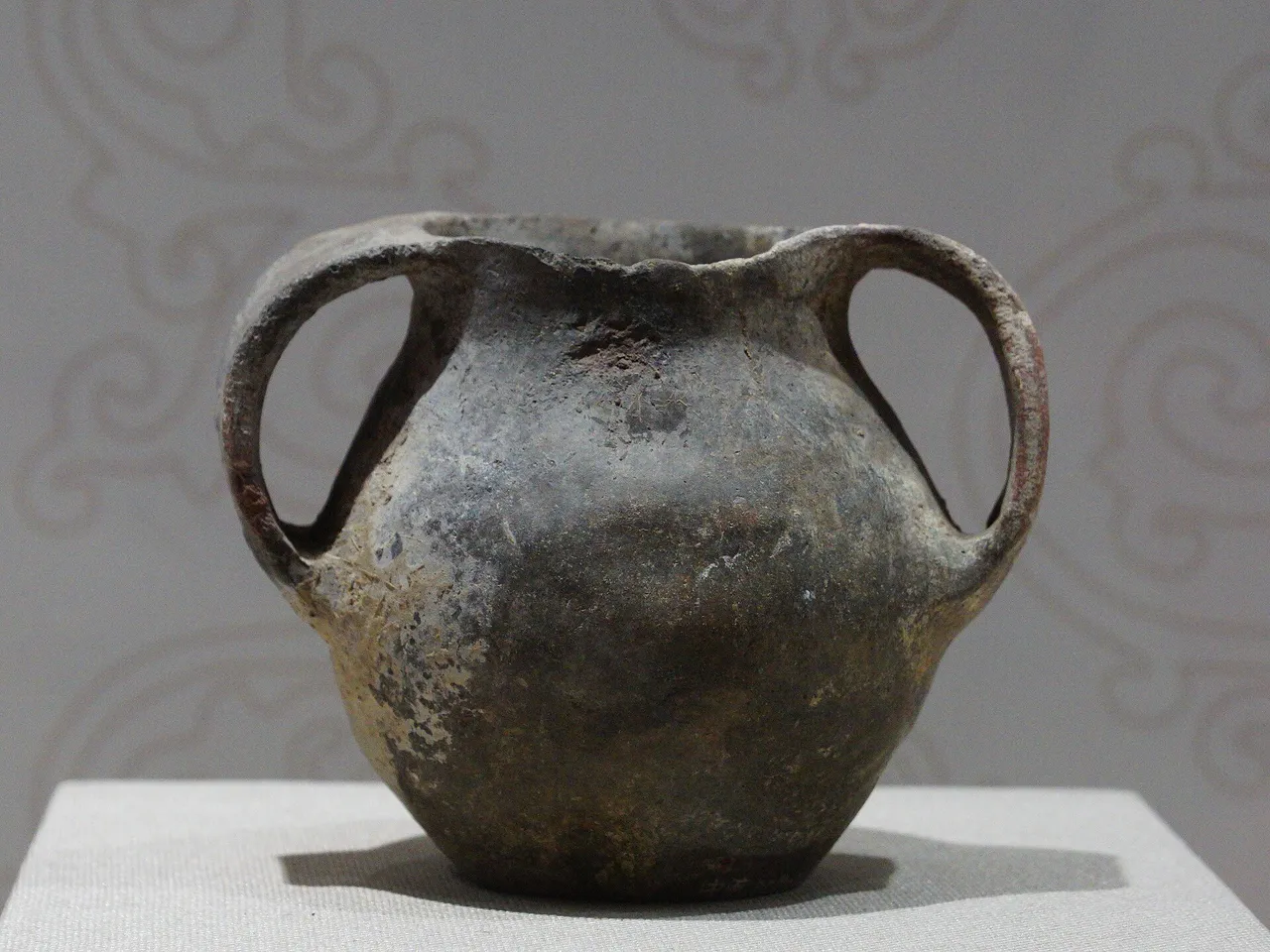
Day three drives half an hour north to Tangdui in Nixi township, where every household throws pots: local clay from behind the village, hand-built and paddle-formed, wood-fired to a glossy black. Beyond its national-heritage title, this is first a livelihood that keeps the village fed.
Pottery families welcome visits and hands-on sessions: the wheel is not hard, evenness of wall is. Buy a stewpot or tea set straight from the kiln below town prices, with the bonus of watching a wood firing run.
Nixi Clay-Pot Chicken and the Road Home: The Three Days' Signature
Lunch in Nixi on authentic clay-pot chicken: the free-range bird slow-stewed in black pottery, golden fat on the broth, barley bread alongside. Eating the pot in the pot's homeland closes the three-day culture line most fittingly.
Half an hour back to town; the afternoon belongs to Dukezong, finishing any unturned lanes or sunning at Sifang Street. Add three more turns of the prayer wheel before leaving, the plateau remembering the gesture.
| Getting around |
|
| Budget | Three days of tickets, sessions, transport and meals run about RMB 600-1000 pp. |
| Best time | Year-round; monasteries light best in the morning and craft sessions run all day, while Mondays close museums, so order around them. |
FAQs
How demanding is the three-day culture route?
Low. The only climbing is Guishan's and Songzanlin's steps, everything else flat or seated, under ten thousand steps daily. It suits a plateau arrival's first three days far better than heading straight up to Potatso.
Will altitude sickness affect the visits?
Mild head pressure is normal, cured by pace; workshops and museums are sit-down activities, themselves a form of acclimatizing. With real headache or nausea, rest in place, use oxygen, halve the day, and symptoms usually clear next morning.
What if I cannot find authentic incense?
Anchor on two things: Songlin workshop output and clear ingredient lists; unlabeled, nose-stinging sticks in the old town are perfume goods. The sticks you rolled yourself, mailed once dried, make the best keepsake of all.
Can a nature day slot into the three days?
Yes, day three's afternoon is free-form; for a full nature day, extend day three with Nixi in the morning and a Napa Lake circuit in the afternoon, merging the out-of-town cost neatly. Save Potatso for fully acclimatized legs.