
Shangri-La's shopping map sorts three ways: the local everyday of Chibuka, the modern top-up of Jinqiao Xinhe, and the craft-and-collectible old-town shops. Walk a stretch of each and buy the right thing in each: food and daily goods on the street, tea wares as Nixi black pottery only, silver and thangka only in established storefronts.
Three cautions: leave dzi beads and gem-grade pieces alone without authentication skills; pottery travels fragile in original packing; and take receipts for everything valuable. The highland crafts deserve buying, bought clear-eyed.
Itinerary at a glance
| 09:30 | Chibuka Pedestrian Street: Where Locals Shop |
| 12:00 | Jinqiao Xinhe Shopping Plaza: The Daily-Goods Top-Up |
| 15:00 | Old-Town Craft Shops: Pottery, Silver and Thangka |
| 19:30 | Tianshengqiao Hot Spring: Hot Water After the Haul |
The route, stop by stop
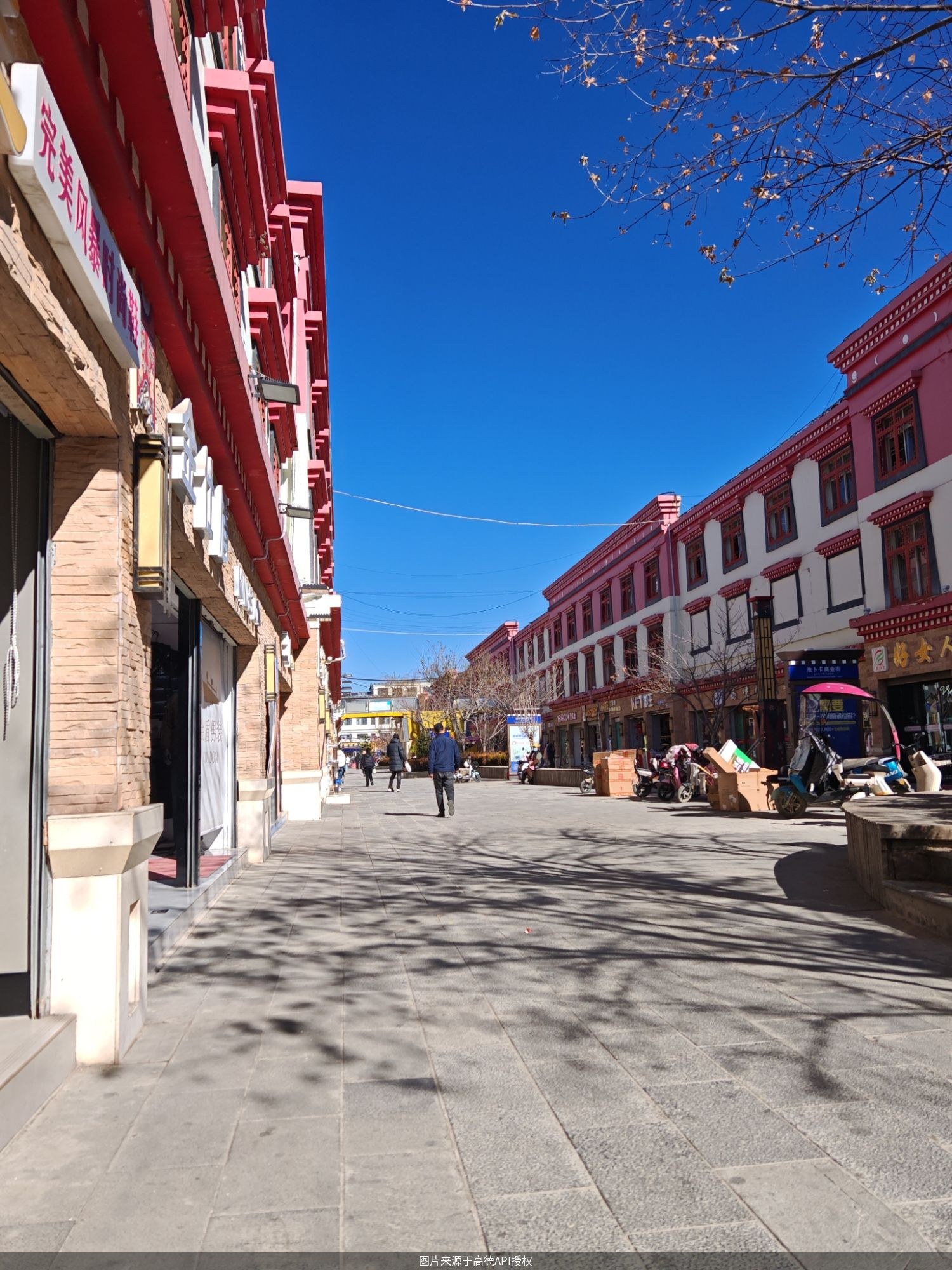
Chibuka Pedestrian Street: Where Locals Shop
Chibuka wakes mid-morning with local shoppers outnumbering visitors. The street's right use is food and daily goods: yak jerky, cheese curds, butter, highland barley and dried local mushrooms lined up row on row, at prices far more honest than the old-town craft shops.
Buy edibles weighed and packed fresh; taste yak jerky before buying, since softness and heat vary widely; pick cheese curds from the day's batch, sealed packs keeping days. Tibetan dress shops rent outfits for photos, smarter than buying a set.
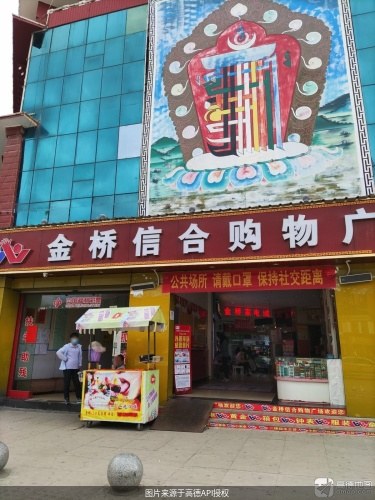
Jinqiao Xinhe Shopping Plaza: The Daily-Goods Top-Up
Midday reaches Jinqiao Xinhe, the locals' general mall. Today's task here is not treasure but top-up: high-altitude sunscreen, lip balm, portable oxygen canisters and standby medicines, cheaper and better stocked than the sight gates.
Supermarket and pharmacy counters clear travel supplies in one pass. Lunch in the food court or nearby small kitchens, then mark the afternoon's old-town craft shops on the map before moving.
Old-Town Craft Shops: Pottery, Silver and Thangka
The afternoon returns to the old town and hands the shopping day's weight to craft. Nixi black pottery tea sets and stewpots are Diqing's signature wares, every piece differing in matte texture and wood-fire trace; silver shops turn out solid bowls, bracelets and ritual objects, best from established storefronts.
Thangka and incense keep dedicated shops here too, small new paintings and the current season's incense the safe buys. Shop slowly: read the craft details first, tap a pot's thickness, ask a silver piece's purity and weight, and negotiate without hurry.
Tianshengqiao Hot Spring: Hot Water After the Haul
The shopping day's last stop goes to Tianshengqiao Hot Spring, thermal water running beneath a natural limestone arch, steam sharp against the highland night. Carrying the day's haul this far, hand shoulders and knees to the hot water.
Soak under twenty minutes and rise slowly. On the ride back, run the inventory in your head: edibles sealed, breakables padded, receipts in order. On the first highland night, drink water and sleep early.
| Getting around |
|
| Budget | Souvenir budgets swing wide: incense from tens of yuan, pottery tea sets from the hundreds, silver into the thousands; most travelers finish within RMB 300-800. |
| Best time | Year-round; morning markets run freshest, afternoon craft shops calmest, and the streets peak around Tibetan New Year and festival dates. |
FAQs
What souvenirs from Shangri-La are most worth buying?
Five standbys: workshop-made incense, Nixi black-pottery tea ware, yak jerky with cheese curds, a small new thangka, and modest silver pieces. The first four price transparently, silver from gram-priced established shops, all covered by an ordinary budget.
Should I buy dzi beads and old amber pieces?
Without authentication skills, do not buy, the only safe answer. The old town's inheritance-and-blessing stories vary wildly, and genuine odds run hostile to visitors. For the look, museum counters sell well-made replicas.
Can a black pottery stewpot fly?
It flies checked, not in cabin where fragile items get stopped. Packing decides: factory foam plus clothing buffer and soft paper in the mouth. Easier still, the shop ships by courier, arriving in days with breakage on the shop.
What budget makes sense for a shopping day?
Food and incense look respectable at RMB 100-300; pottery tea sets run 200-300 into the thousands; silver flexes widest by the gram. Set a ceiling with a fifth held loose, since the pleasure here is encountering, not completing.