
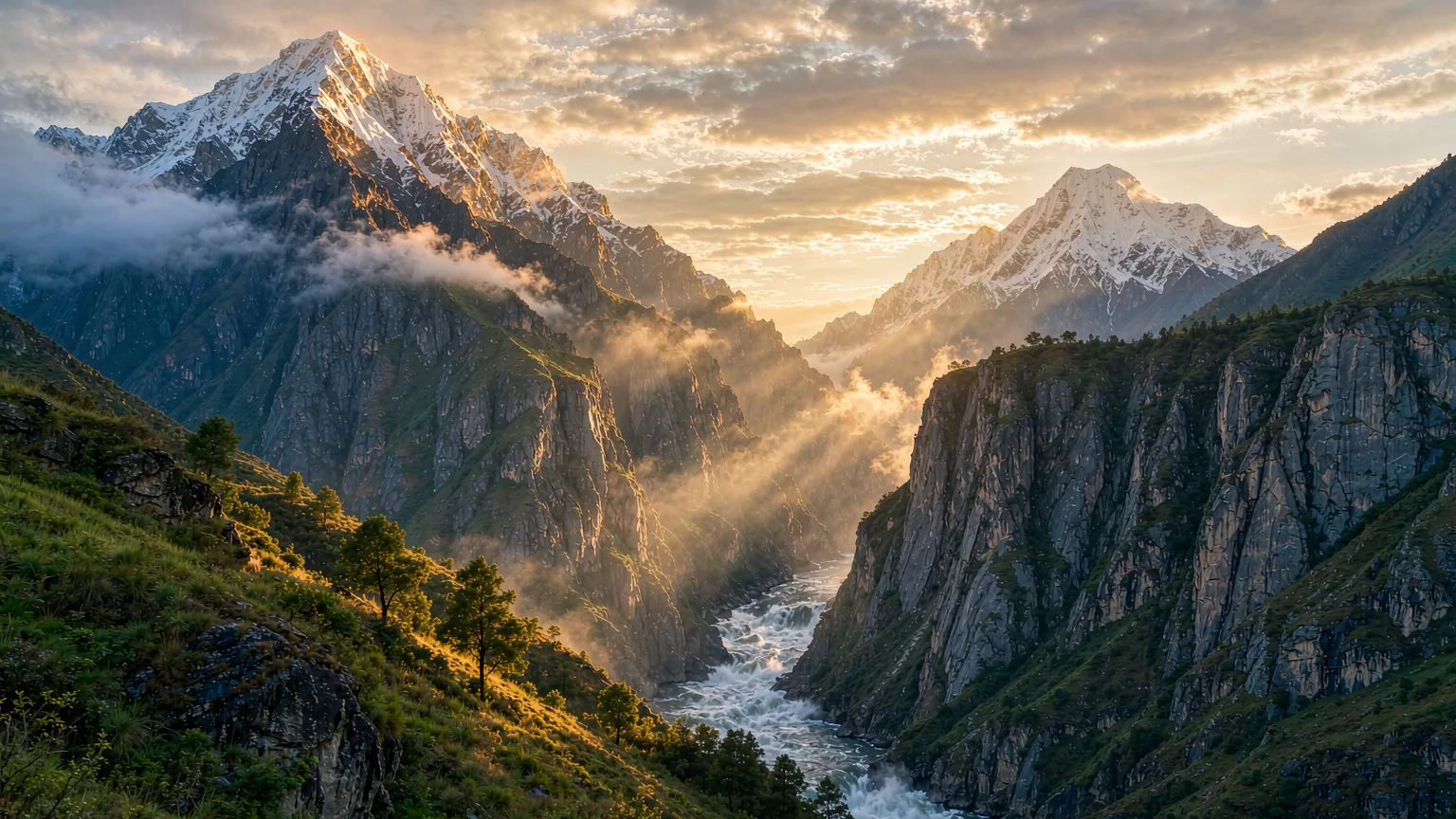
Making water Shangri-La's spine is a smuggler's route: the Jinsha sets the key with its roar at Tiger Leaping Gorge, Napa Lake breathes between grassland and water, Potatso's Shudu and Bita lift water to 3,500 meters, and Baishuitai's springs turn water to stone. Three days, four states of water.
The route runs clockwise: west to the river, north to the lake, southeast to travertine and hot springs. Two to three hours of driving daily make a charter the easy answer, and since every waterside runs windy, the windproof layer works harder than any other gear this trip.
Itinerary at a glance
| 09:30 | Upper Tiger Leaping Gorge: Water's First Word |
| 12:00 | Middle Tiger Leaping Gorge: Closest Approach to the River |
| 15:00 | The Napa Lake Circuit: From Roar to Stillness |
| 18:00 | Yila Grassland Sunset: The Water Route's First Night |
| 08:30 | Shudu Lake: Day Two's Alpine Water |
| 12:00 | Militang Pasture: Between Water and Wood |
| 14:00 | Bita Lake: The Water's Third Form |
| 09:30 | Baishuitai: Water Made Stone |
| 17:00 | Tianshengqiao Hot Spring: The Water Route's Last Night |
The route, stop by stop
Upper Tiger Leaping Gorge: Water's First Word
Day one heads for the river, about two hours to the gorge. The Jinsha is pinched between Haba and Jade Dragon snow mountains, the channel narrowing at the upper leap where the Tiger Leaping Rock stands midstream, the water jumping where the roar reaches the deck before the river does.
The viewing walk descends about forty minutes, steps and platforms solidly built. On the lowest deck the spray reaches your face on the wind, the route's only stop needing waterproofing.
Middle Tiger Leaping Gorge: Closest Approach to the River
Before noon, reach the middle gorge, whose play is the small path down to the water: steep and narrow, descending some forty minutes as the roar turns from distant thunder to a tremor at your feet. The leaping rock stands close, spray in your face.
This descent wants legs and grippy shoes; vertigo or bad knees stop at the roadside decks, which still see the river fine. Reserve strength for the climb back, the three days' hardest hour on legs.
The Napa Lake Circuit: From Roar to Stillness
Before dusk, back on the Shangri-La side, giving the afternoon to the Napa circuit. No need for the full forty kilometers; park at the viewing stretch on the Yila side, where the river's roar hands over to water and wind.
Season shapes this water: lake in summer-autumn, golden pasture in winter-spring with black-necked cranes arriving. Circuit cycling and horse rides both arrange easiest on this stretch.
Yila Grassland Sunset: The Water Route's First Night
Give day one's sunset to the Yila grassland. The sun sinks toward Shika's ridge, green or gold dimming layer by layer, horses standing silhouette where the light departs last. Highland sunsets run slower than the plains, worth standing through.
After dark, twenty minutes back to town for dinner in the old quarter. The day opened on a roar and closed on grassland quiet, the water theme already standing.
Shudu Lake: Day Two's Alpine Water
Day two enters Potatso straight for Shudu Lake. The fog-bound surface is a different substance entirely from yesterday's river and grassland: spruce and fir ring the water, still enough to hear distant birds. Boardwalks follow the shore, yaks heads-down in the far pasture.
The loop takes ninety minutes, slowed for the trail near 3,500 meters. The morning forest hour is the freshest air of the route, and deep breathing here is no rhetoric.
Militang Pasture: Between Water and Wood
Midday, Militang's meadow sits between forest and lake, the park's most open reach, wildflowers in summer and gold in autumn, the deck framing treeline, grassline and the direction of snow peaks in one view.
Openings follow daily notices. Even closed, the forest road between Shudu and Bita is its own alpine botany lesson.
Bita Lake: The Water's Third Form
Bita in the afternoon runs deep and hushed, woods wrapping the water, its tone darker than Shudu's. The isle offshore holds a legend of offering, and squirrels beg at the boardwalk's end, feeding banned, a rule the squirrels refuse to acknowledge.
Ninety minutes around the lake, slowly. Three days, three waters, the river's motion, the grassland's breadth, the alpine lake's stillness, and Bita writes the stillness chapter fullest.
Baishuitai: Water Made Stone
Day three drives about two and a half hours to Baishuitai, the water route's fourth chapter: travertine. Carbonate-rich springs have stacked ivory terraces over a thousand years, water sliding down with a pale blue sheen; step barefoot into the shallows per on-site guidance, warmer than expected.
The terrace top holds the best view, and Naxi Dongba culture was born in this countryside too. The surfaces are slick, so beyond the boardwalk tread nothing closed.
Tianshengqiao Hot Spring: The Water Route's Last Night
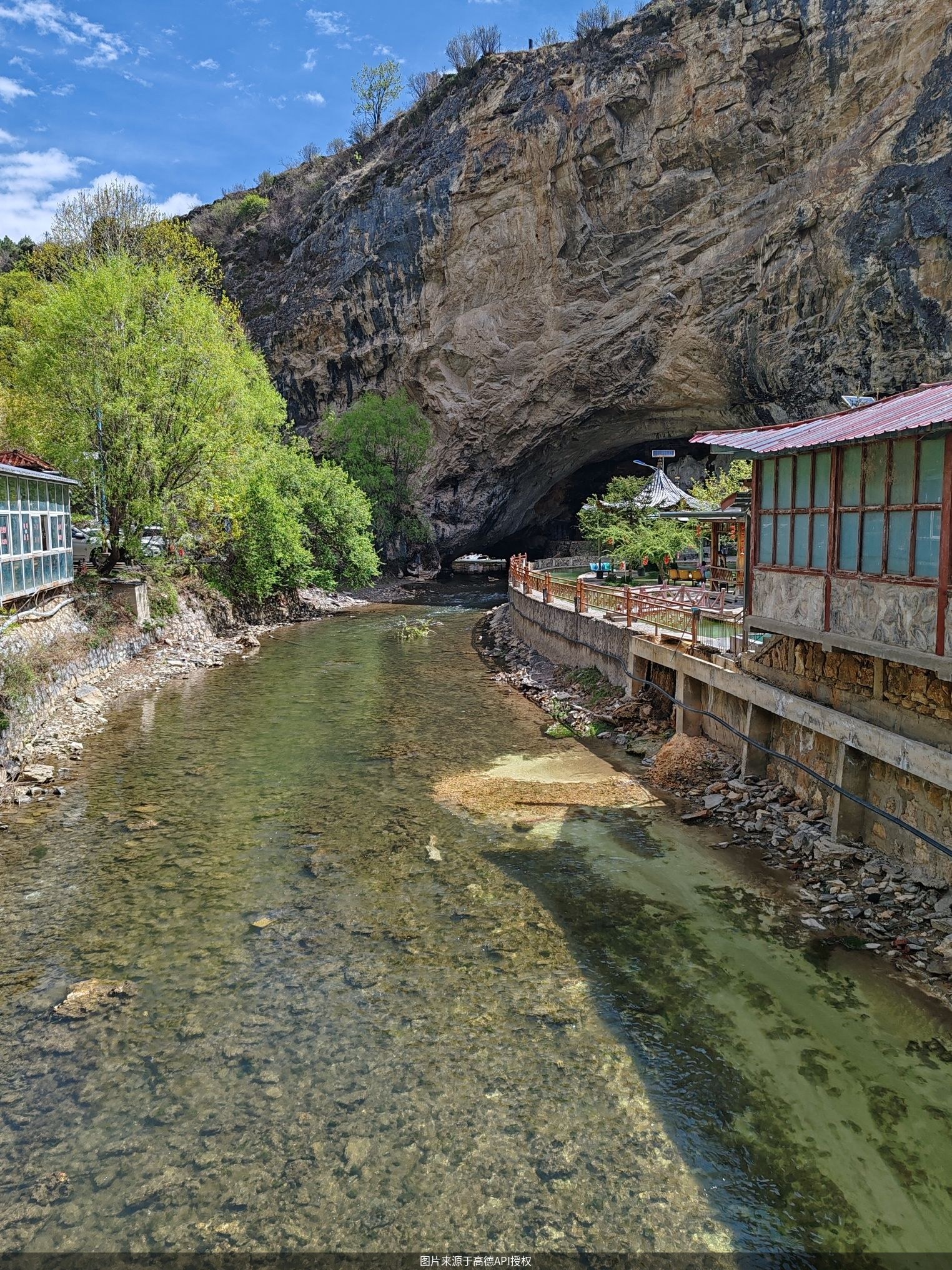
Back in town by evening, Tianshengqiao closes the water logic: river, lakes and spring behind, here comes warm water. Thermal flow runs beneath the natural limestone arch, steam sharp in the highland night.
Three days of water end stored in the body as warmth. Soak under twenty minutes, rise slowly, drink hot water after; you will sleep deeper than the previous two nights, the body's own good review.
| Getting around |
|
| Budget | Three days of tickets and cableways plus charters and meals run about RMB 900-1400 pp. |
| Best time | Jun-Aug for the river at full voice and greenest grassland; Oct-Nov as water recedes and autumn arrives; in the rains, watch for road-slide notices. |
FAQs
Does a waterside theme hold in Shangri-La with no sea?
It holds, and with more to see: plateau water appears as gorge, lake, travertine and hot spring, more dimensional than a single coastline. The route's substance is three days along water changing state; the sea never mattered.
Is this route safe in the rainy season?
The spine is safe; mountain roads carry the variables, slides and slick surfaces. Confirm daily road conditions with the inn, reorder or wait when rain is heavy, and when the river floods the gorge decks close, site management's word final.
The one stop not to miss across three days?
The upper gorge. The roar landing in your chest transmits through no photograph, the route's deepest three minutes of memory. Every other stop trades against weather and legs; the upper gorge, when open, goes.
Can I enjoy the Yila grassland without riding?
Entirely. Walk into the grassland from the viewing stretch, or take the circuit by car or bicycle for the full scenery. Horses are a bonus, not a gate; and when pricing rides, confirm route and duration to avoid disputes.