
Dali's culture lives less in the show grounds than in a library's gazetteers, a teahouse's liquor and a museum's canvas. Three words frame the day: read, sip, look. Morning reads the old records of Nanzhao and the Dali kingdom to trace where the city came from; noon sips the Bai three-course tea, whose order of bitter, sweet and aftertaste holds every rule of Bai hospitality.
The afternoon's two museums differ sharply: one leans to local painters and craft, the other to contemporary shows and residencies. Seen together they show how Dali keeps growing new cultural tissue beyond its old walls.
Itinerary at a glance
| 09:00 | Dali Prefecture Library: Starting with the Gazetteers |
| 11:00 | Bai Three-Course Tea: Bitter, Sweet, Aftertaste |
| 14:30 | Dali Nanbo Art Museum: A Shopwindow of Local Art |
| 17:00 | Nashan Nahai Art Centre: Contemporary Dali on the Walls |
The route, stop by stop
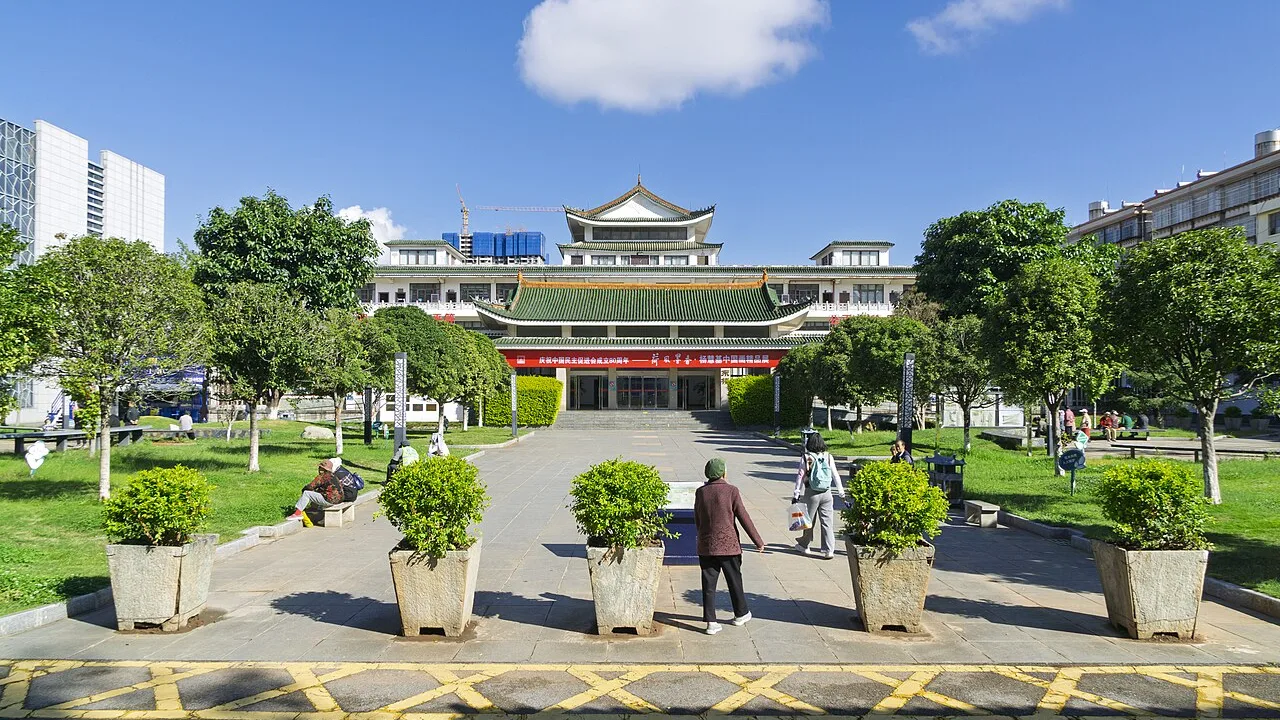
Dali Prefecture Library: Starting with the Gazetteers
Giving the first hour to the library lays the day's foundation. The local-documents and Bai-culture shelves hold annotated texts of the Nanzhao and Dali kingdoms and modern scholarship; half an hour with the picture volumes turns tomorrow's pagodas and courtyards from old houses into history with names.
The old building's courtyard stays quiet, a channel of Cangshan snowmelt running past. Travelers register to enter; the documents room needs a sign-in with the staff, reading in place only.
Bai Three-Course Tea: Bitter, Sweet, Aftertaste
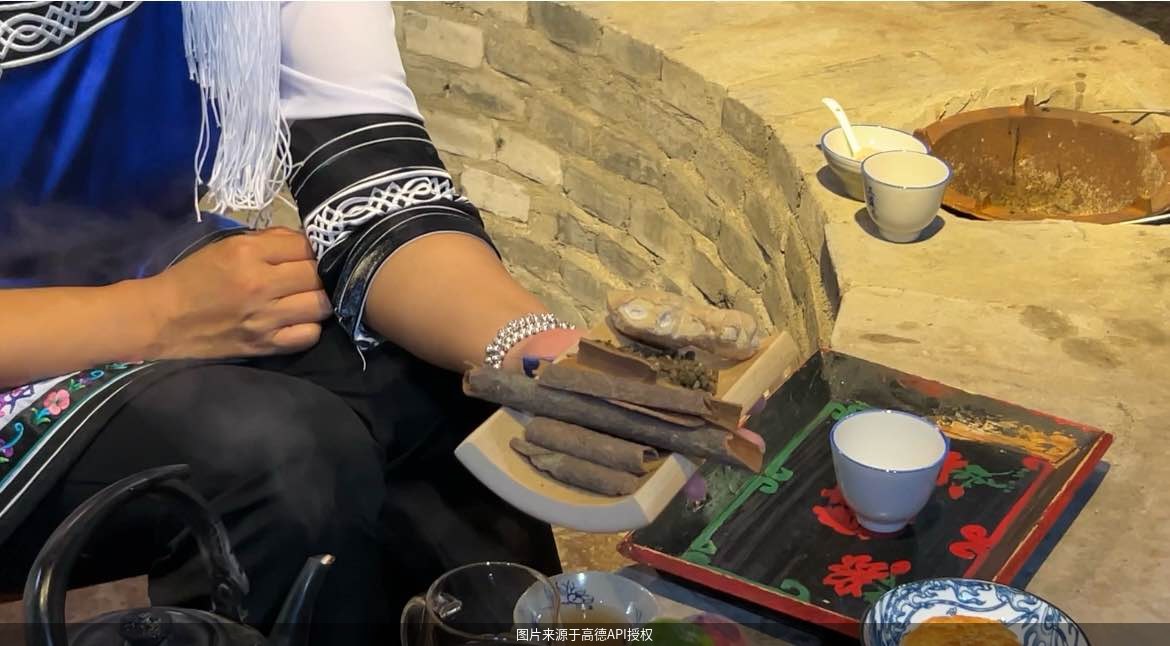
Three-course tea is the Bai's highest courtesy: the first cup, bitter, from leaves roasted in a clay jar; the second sweetened with brown sugar, rusun cheese and walnuts; the third laced with honey, Sichuan pepper and cinnamon, all flavors crossing at once, the famous aftertaste. The sequence is a miniature lecture on life and the doorway into the Bai temper.
Teahouses in the old town and Xizhou both stage the ceremony, the proper sittings with Bai song and dance or commentary, about an hour. The show is a bonus; the point is learning what goes into each cup and why.
Dali Nanbo Art Museum: A Shopwindow of Local Art
The afternoon opens at the Nanbo Art Museum. Its permanent and rotating shows center on Yunnan artists, painting, sculpture and ethnic craft, where Bai tie-dye, woodcarving and silver reappear inside a curatorial frame with far more depth than the souvenir-shop versions. The halls are compact; one to two hours cover them closely.
For craft lovers the museum doubles as a free field guide: learn the trades here first, then shop in the old town, and your eye works entirely differently.
Nashan Nahai Art Centre: Contemporary Dali on the Walls
Toward dusk move to the Nashan Nahai Art Centre, closer to a parlor for Dali's resident artists: contemporary painting, video and residency shows turn over fast, themed on mountains, water, migration and local life, precisely Dali through newcomers' eyes. The space itself converts a courtyard compound and rewards lingering after the walls.
Pairing the two museums is deliberate: one shows the root of tradition, the other the branches still growing. After this stop, Dali stops being merely a postcard.
| Getting around |
|
| Budget | Tea ceremony RMB 40-80, the two museums about RMB 30-60 combined, meals around RMB 80; the day runs roughly RMB 150-220 pp. |
| Best time | Year-round, mostly indoors and weatherproof; some venues close Mondays, so check same-day notices before setting out. |
FAQs
Which parts of this day need advance booking?
Book the tea ceremony half a day to a day ahead in high season, since proper teahouses run fixed sittings; the museums usually need no booking except during special-show openings; the library takes walk-in registration. Fixing tea at eleven lets everything else chain calmly.
What if I skip tea or am sensitive to caffeine?
The base is roasted tea with real caffeine, so sensitive visitors can take only the sweet second cup in a smaller pour, or watch without drinking, which most sittings accept. Sharing the three cups across companions is common and perfectly polite.
How should I split time between museums and the old town?
The route is its own answer: culture in the morning and noon, museums in the afternoon, old town dinner and strolling at night. With only half a day, pick the tea ceremony plus Nanbo; leave the library and Nashan Nahai for next time, always experience before viewing.
Will children find this culture day dull?
Halve it and nobody is bored: the tea sitting has dance and roasting steps children can join; cap each museum at forty minutes, picking interactive or boldly colored pieces; and turn the library into courtyard storytelling. The day stays loose, well within a child's patience.