
Dali eats on a clock: mornings belong to rice noodles, and the day truly starts when the hot broth lands; ten o'clock in Xizhou belongs to baba flatbread, best only at that hour off the charcoal; the afternoon goes to a farm-table restaurant where field-to-table distance shrinks to nothing; and the night has one lead, the wild mushroom hotpot, king of the rainy-season table.
The route starts in the old town, runs north to Xizhou by midday, and returns by evening, all linked by bus and taxi. Your stomach is the only constraint: stop each dish short and keep a third of the appetite for the next sitting.

Itinerary at a glance
| 08:00 | Yinmi Rice Noodles: Booting Up with a Hot Bowl |
| 10:30 | Xizhou Yangji Baba: Mid-Morning Off the Charcoal |
| 13:00 | Chimido Farm Restaurant: Field to Table, Literally |
| 18:30 | Fangzhou Pangzi Wild Mushroom Hotpot: Dali's Rainy-Season Terminus |
The route, stop by stop
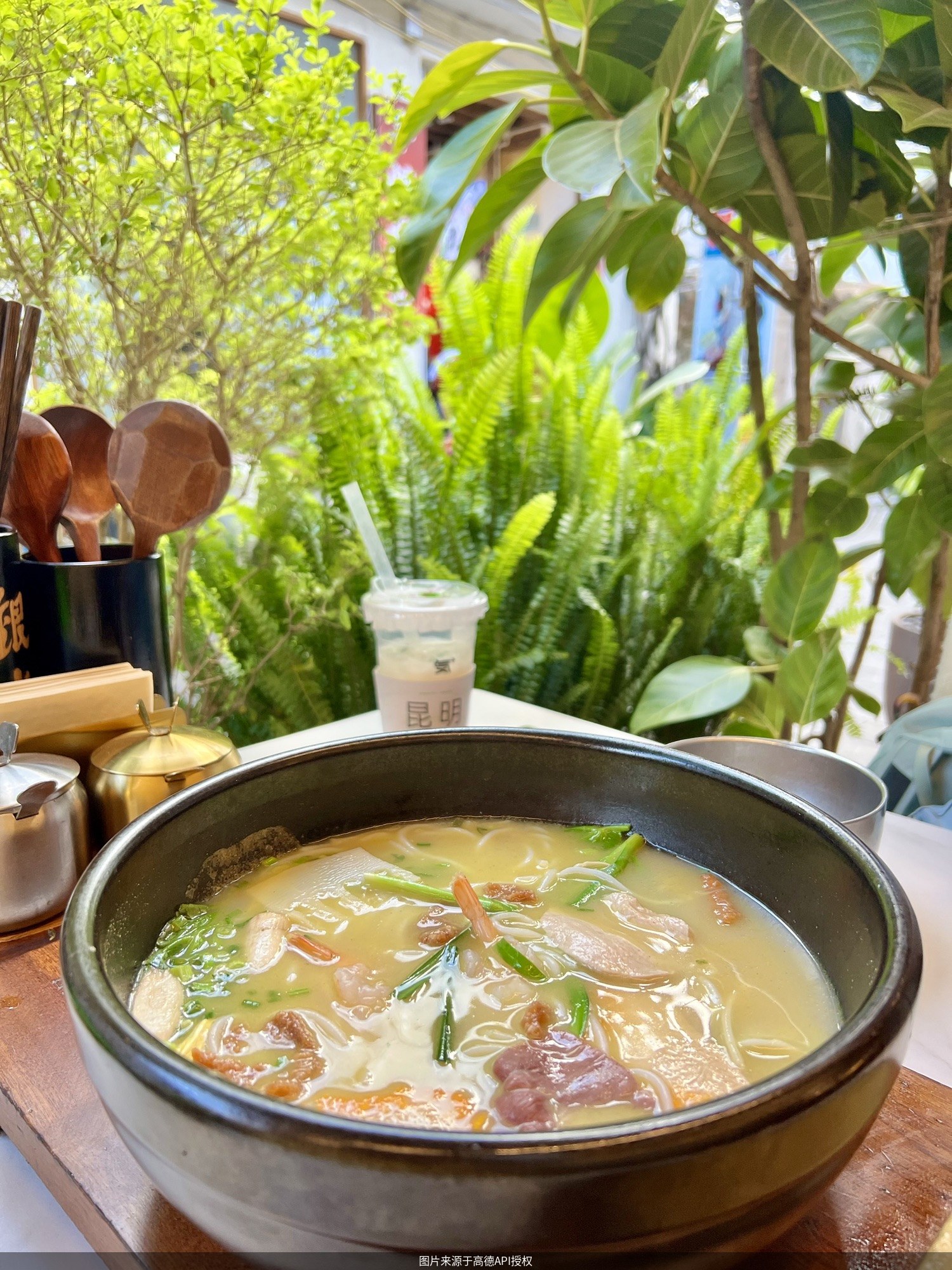
Yinmi Rice Noodles: Booting Up with a Hot Bowl
Crossing-the-bridge noodles start as a ceremony: raw meat slices, quail egg, tofu skin and a rainbow of trimmings arrayed around a scalding bowl of chicken broth. Slide the meat and egg in to poach, then the noodles and vegetables. The chicken-oil seal on the surface is what holds the heat, so leave it be.
The morning rule is eat while scalding; once the soup cools the sweetness scatters. A dish of local pickles cuts the richness, and small appetites should order the small bowl, since Yunnan portion sizes never bluff.
Xizhou Yangji Baba: Mid-Morning Off the Charcoal
Half an hour north of the old town, Xizhou hits its mid-morning baba hour. The master slaps the dough taut on the board, folds in rose sugar or scallion with minced pork, and presses it against the charcoal oven wall until both faces turn gold. Fresh out, the crust flakes, the inside layers soft, and the sweet-versus-savory camps never reconcile.
The correct move is the first bite standing at the oven, hot, plus one to go. Cooled baba turns leathery and loses half its charm, so do not over-order for the road.
Chimido Farm Restaurant: Field to Table, Literally
Back near the old town, hand the proper meal to Chimido. Tied to its own farm and market, the menu follows the seasons: rusun cheese, erkuai rice cakes, seasonal vegetables and house-raised pork, cooked plainly and winning on freshness so direct it needs no argument. The courtyard and terrace seats invite eating slowly.
Let the day's vegetables and dairy lead the order and keep meat to a supporting role. Afterward browse the courtyard market; the farm's yogurt and jams travel well as gifts.
Fangzhou Pangzi Wild Mushroom Hotpot: Dali's Rainy-Season Terminus
The nightcap of this line: a chicken-broth pot arrives, and the mushrooms, matsutake, jizong, porcini and the color-shifting jianshouqing, go in by boiling order, the hardy first, the delicate later. Drink the first bowl of broth before the mushrooms enter, pure chicken; the second bowl after the fungal aroma blooms is the complete form.
One iron rule of mushroom hotpots: cook them through and touch no chopstick before the staff calls time. Dip in dry chili flakes with fermented bean curd, plain and exactly right.
| Getting around |
|
| Budget | Eating this line runs RMB 120-260 pp, rising from RMB 150 pp in mushroom season for the hotpot. |
| Best time | Year-round; June to October brings mushroom season with the fullest pot bases, while breakfast stalls fold after nine. |
FAQs
Can I handle this food line if I avoid chili?
Entirely fine. Crossing-the-bridge noodles and baba carry no heat, the farm restaurant leans plain, and the hotpot's spice lives only in the dip, which you can skip or swap for sesame oil and garlic. Yunnan chili accents rather than underpins; the dishes themselves run salty-savory.
When is mushroom hotpot best, and is it risky?
Fresh season runs June to October, the fullest range at the highest prices; other months serve mostly frozen mushrooms, blander but safe. Safety is thorough boiling: proper shops screen species and time the pot, so follow their cues. Never order jianshouqing at unlicensed holes-in-the-wall.
Can one person finish this whole line?
Yes, with disciplined ordering: small bowl of noodles, half a baba, two dishes at the farm, and a small pot or a per-person set at the mushroom place. Dali portions suit solo diners and split easily. Baba and rusun cheese box well for tomorrow's breakfast.
What should sensitive stomachs watch for?
Four points: boil mushrooms thoroughly and stick to proper shops; skip raw-cured and cold-dressed dishes on day one; the noodle broth runs rich, so pair with pickles; and carry stomach remedies. Dali cooking is milder than Sichuan or Hunan overall, but dairy and mushrooms ask an adjustment of first-time stomachs.