
Tunxi is the seat of Huangshan city and most travelers' transit hub, but treating it as a waypoint wastes it. The old street, Liyang Lane, Zhenhai Bridge and the riverside path enclose a waterside district of two or three kilometers; a slow day here explains the merchant instincts of Huizhou better than any checklist.
The rhythm stays loose: morning market, lunch, afternoon tea, a night show, four independent acts with indoor shelters when it rains. Walking and one bridge crossing, no mandatory stops, and comfortable shoes outrank the camera.
Itinerary at a glance
| 09:00 | Tunxi Old Street: Morning Shutters and Tea Smoke |
| 11:30 | Zhenhai Bridge and the Riverside Path: Crossing for the River |
| 14:30 | Liyang Old Street: An Afternoon inside Old Courtyards |
| 18:30 | The Huishow: A Huizhou Lesson at Night |
The route, stop by stop
Tunxi Old Street: Morning Shutters and Tea Smoke
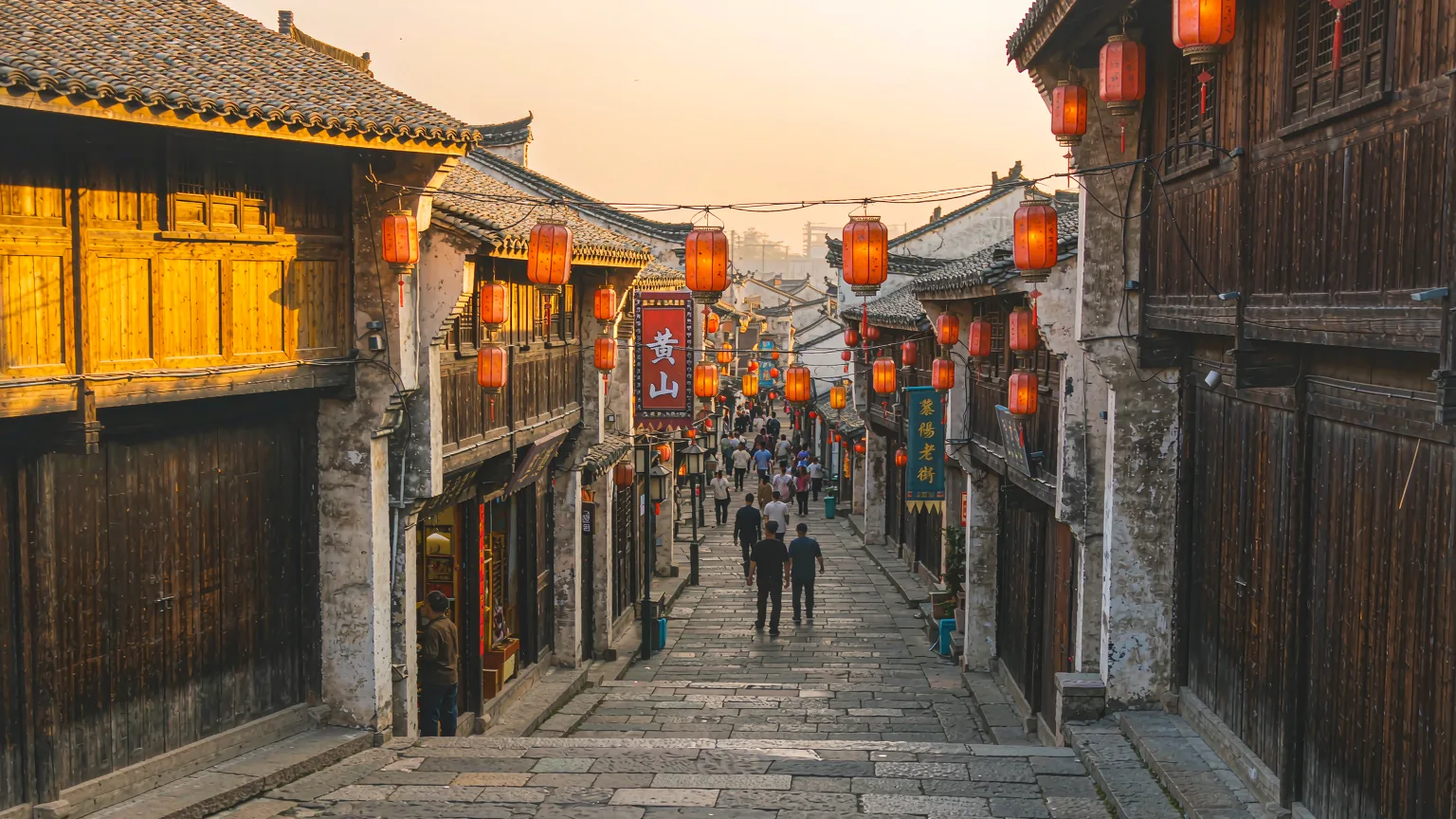
Tunxi Old Street is nicknamed a flowing Riverside Scene at Qingming: one main drag over eight hundred meters with fishbone lanes branching off. Early morning belongs to locals, tea shops swinging their shutters open, bun and meatball stalls steaming, ink and inkstone masters grinding and sorting paper.
The venerable tea houses on the main street pour samples; Huangshan Maofeng, Taiping Houkui and Keemun form the famous trio, and newcomers should start small. Step into the side lanes and the tourists thin out, bamboo trays of dried bamboo shoots and fermented greens showing the street's daily self.
Zhenhai Bridge and the Riverside Path: Crossing for the River
Two minutes from the old street's west end stands Zhenhai Bridge, the Old Bridge, first built in the Ming Jiajing era, seven arches on six piers of bluestone across the Hengjiang. Damaged by floodwaters in recent years, it was restored with traditional methods, and the seam between old and new stones is still traceable.
Cross and follow the Xin'an riverside path; Liyang's skyline sits across the water and the occasional punt slides by. The midday breeze off the river beats the hot street, so settle into a teahouse with a plate of hairy tofu and green tea, watching the current carry the afternoon downstream.
Liyang Old Street: An Afternoon inside Old Courtyards
Across the river from Tunxi Old Street, Liyang mixes thousand-year mansions with cafes, bookshops and design stores installed inside their courtyards. Old beams share frames with glass, and Huizhou and the modern do not clash here, they chat.
The right afternoon move is to enter whichever mansion is open and study the structure: light wells, lintels, carved brick gates, all original. Then sit in a courtyard cafe, where roof light leaks between the tiles, the street's most photogenic hour.
The Huishow: A Huizhou Lesson at Night
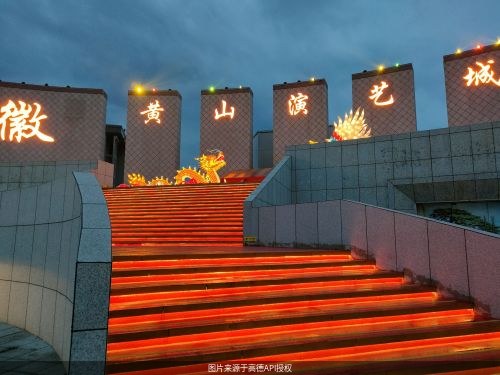
After dinner, the Huishow makes Tunxi's most complete cultural closer. Tracing merchants leaving home, Huizhou troupes reaching the capital and folk festivals, it stitches mountains, rivers, people and trade into a painless history lesson, with serious stage machinery and a fish-lantern formation to prove it.
Eat first in Liyang or the old street, then walk or ride a few minutes to the theater. After the curtain, the riverside breeze has cooled, and the walk back to the hotel settles the day's step count.
| Getting around |
|
| Budget | Mostly free quarters; budget RMB 150-400 pp including one Huizhou meal and a Huishow ticket. |
| Best time | Year-round; in summer the river feels best morning and evening, while midday sun pushes you into Liyang's indoor courtyards. |
FAQs
What is the easiest way to reach Tunxi Old Street?
From Huangshan North station, the tourist express reaches Tunxi bus terminal in about forty minutes, a few minutes' walk from the old street; a taxi runs around RMB 30. Arrive early and stash luggage at the terminal or hotel desk first, since browsing empty-handed beats dragging bags.
Do I need to book Huishow tickets ahead?
In peak season, holidays and summer, book seats on the official platform a day ahead; center-rear stalls offer the best value. On weekdays walk-up tickets usually exist. Showtimes shift with the seasons, so recheck the notice on the day itself.
Is a Tunxi-only day worth it without climbing?
Yes, with the right expectations: Tunxi shows Huizhou's street life and texture, not alpine spectacle. If the trip is all about the mountain, keep Tunxi as an arrival or departure buffer; with spare time, Tunxi by day and the mountain next morning is the smoothest pairing.
Any tips for strolling the old streets?
Three things: the stone paving turns slick in rain, so wear grippy shoes; for inkstones and tea, taste before buying and hold your fire at the first shop; and riverside mornings and nights run cool, so pack a light layer even in summer. Expect around twenty thousand steps, so charge your phone.