
Huizhou cooking runs heavy on salt, color and fire, and a day in Tunxi renders that as charcoal-scented baked buns, fermented mandarin fish, and the white bloom of hairy tofu. The route never rushes: from the old-street morning market to a rustic dinner house, four meals digested on foot across three kilometers.
Huizhou snacks live by small portions and made-to-order: buns leave the oven by the tray, tofu hits the pan by the batch, and missed windows mean reheated leftovers. Follow the meal clock and every bite lands at peak sizzle, which is the whole skill of the day.
Itinerary at a glance
| 07:30 | The Old-Street Market: Charcoal Buns and Stone Pancakes |
| 12:00 | Laojie Diyilou: A Proper Huizhou Meal |
| 15:30 | Tea and Sweets: Ink Cakes with Houkui |
| 18:30 | Laoma Local Cuisine: Closing on Wood-Fire Flavor |
The route, stop by stop
The Old-Street Market: Charcoal Buns and Stone Pancakes
Morning on the old street belongs to the ovens. Huangshan buns bake in charcoal drums, crab-shell sized with preserved-greens and pork filling in layered pastry, peaking within five minutes of leaving the fire. Next door, stone pancakes pack soybean meal and cured pork into dough pressed flat by river pebbles on an iron griddle, the crust audibly crisp.
Anchor it with a small bowl of wontons or savory tofu pudding, and breakfast costs barely ten yuan. Locals buy buns by the bag, tourists by the piece, both eaten standing, which is simply how Tunxi mornings work.
Laojie Diyilou: A Proper Huizhou Meal
At noon, Laojie Diyilou is Tunxi's landmark Huizhou house. Order the branded mandarin fish: fermented until the flesh flakes like garlic cloves, it smells rebellious and tastes brilliant over rice. The hairy tofu comes griddled crusty on both sides, dipped in chili paste, its bloom melting on the tongue.
For two: one mandarin fish, one hairy tofu, either the sliced pork belly or bamboo-shoot stewed pork, plus a seasonal green. Huizhou food runs salty and oily, so pair it with plain rice rather than beer.
Tea and Sweets: Ink Cakes with Houkui
Half past three is when the second stomach wakes. Settle into a teahouse on the old street or in Liyang for Taiping Houkui or Keemun, with two ink cakes, sesame-and-rice sweets pressed in the shape of ink sticks that melt on contact, a sweet Huizhou invented for itself.
The point of this sitting is rest: after twenty thousand morning steps, your feet have earned ten guilt-free minutes. Local elders play chess and murmur in Huizhou dialect over the rim of their cups, closer to the city than any guidebook.
Laoma Local Cuisine: Closing on Wood-Fire Flavor
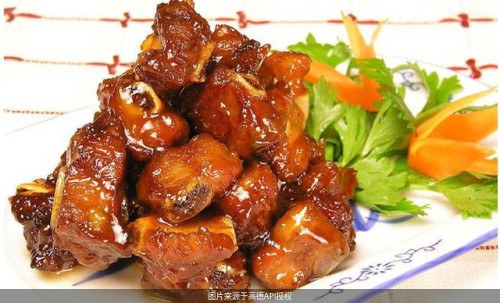
Dinner goes to the old-street branch of Laoma, a homestyle house with honest portions: mountain fern with cured pork, kudzu-starch dumplings, ham-stewed bamboo and braised stream fish, all drawn from village stoves with fiercer fire and one notch below the big houses' prices.
For a more formal close, the Piyun Huizhou Banquet is the alternative, a banquet-style route with fuller plating and ceremony. Both roads end the same way: rolling back to the hotel full, already planning tomorrow's bun.
| Getting around |
|
| Budget | Proper meals on the clock run RMB 150-250 pp; a snack-grazing version stays under RMB 100. |
| Best time | Year-round; breakfast stalls wind down after 9 am while famous dinners queue after 6 pm, so time both ends. |
FAQs
Can one person finish this eating day?
Yes, if you follow the thirds rule: half portions each, and save a third of your stomach at every sitting. The mandarin fish and hairy tofu are non-negotiable; buns and sweets flex with your state. Huizhou food is oily, so the afternoon tea stop is a gearbox change, not an optional extra.
Do the famous restaurants need reservations?
The big houses run on walk-up queues, and thirty-minute waits around 12:00 and 18:30 are normal; sliding in before 11:30 or 17:30 is the reliable play. Larger groups can phone ahead about tables, but solo and small parties live on early arrival.
What if I avoid fermented smells?
The mandarin fish smells rebellious and tastes clean, and most converts happen on the first bite, so start with the smallest portion. If it truly fails you, the other half of Huizhou cooking is odor-free: pork belly, bamboo-shoot pork, stone-ear chicken soup and kudzu dumplings all run a clean salty-savory line that fills a proper meal.
What should sensitive stomachs watch for?
Three things: the fish and tofu are fermented, so sensitive stomachs should go easy; Huizhou salt and oil pair with rice, not cold beer; and wild greens and stream fish must be fully cooked. Pack routine remedies, since the real burden here is the oil, not the mild chili.