
Huizhou culture is more than food and old villages: its skeleton lives in carving, contracts, clans and craft. This day strings four city museums together, morning for the sweep of history, afternoon for living craft, evening turning craft into a fish lantern of your own.
The plan hinges on booking and driving time: the three city museums are free or cheap and reserve via official accounts, while the Yuliang Fish Lantern Hall sits by the weir in Shexian, half an hour from Tunxi, with an evening lantern session that books ahead. Follow that order and nothing jams.

Itinerary at a glance
| 09:00 | China Huizhou Culture Museum: The Skeleton First |
| 13:00 | The Huizhou Carving Museum: How the Knife Speaks |
| 15:30 | The Intangible Heritage Museum: Craft, Alive |
| 18:30 | The Yuliang Fish Lantern Hall: Carrying Your Own Light |
The route, stop by stop
China Huizhou Culture Museum: The Skeleton First
Enter at opening and head for the Huizhou history hall. It answers the region's core question in one sweep: scarce land pushed men into trade, merchants returned with money to build houses and fund scholars, and villages, academies and carving followed. Grasp that causality and tomorrow's Hongcun and Xidi stop being pretty houses.
Focus on the trio: Huizhou contract documents, the paper evidence of everyday commerce, clan genealogies, and Xin'an painting and calligraphy. The scholar's-studio hall with Huizhou ink and She inkstones is a trailer for the afternoon's craft museums, worth ten extra minutes.
The Huizhou Carving Museum: How the Knife Speaks
Huizhou's three carvings, brick, wood and stone, are the decorative grammar of the region's architecture. This specialist museum displays gate towers, lintels and lattices lifted whole from old houses or faithfully cast, close enough to study the knife: deep relief stacking seven layers, one story per layer.
Craftsmen restore and reproduce on site, and the smell of wood shavings and the rhythm of chisels beat any display case. If technique eludes you, compare instead: the same motifs, a hundred sons, fishermen and woodcutters, growing plainer or denser across generations is a history of taste.
The Intangible Heritage Museum: Craft, Alive
Shifting from static display to living practice, the heritage museum gives ink, inkstones, opera and fish lanterns each a workshop bench. With luck you catch a craftsman burning lampblack, tracing gold or cutting a stone, every step backed by centuries of oral rules.
The experience zone is hands-on: pull a small rubbing or trace gold on an ink mold, and a half hour of making outlasts any souvenir. Families with kids routinely overrun their budget of time here, so give it your loosest slot.
The Yuliang Fish Lantern Hall: Carrying Your Own Light
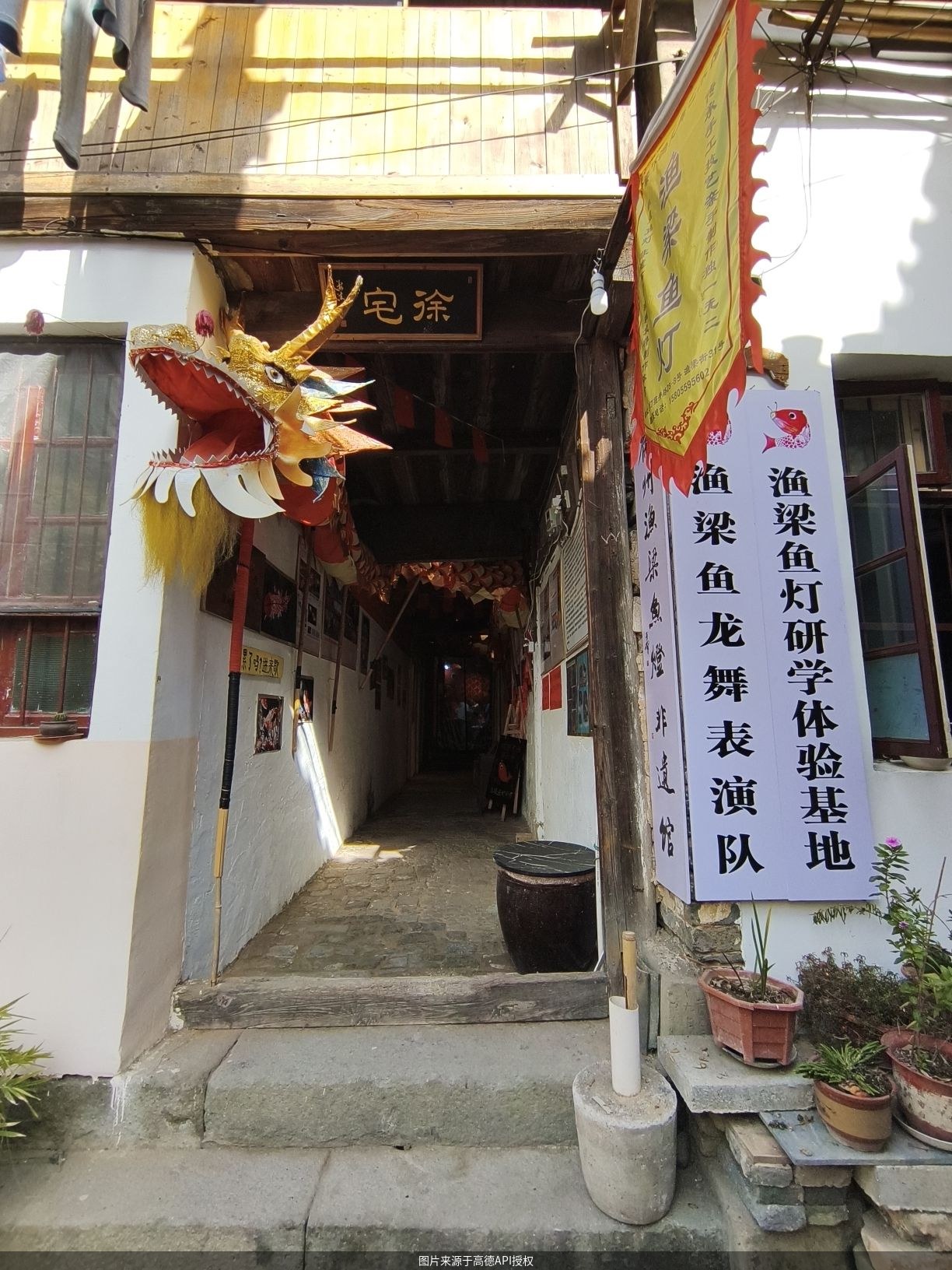
At dusk, charter a car to Yuliang Weir in Shexian. Fish lanterns grew from local Lantern Festival custom: bamboo frames skinned in paper and painted with scales, the giants near three meters and needing several dancers. The hall shows the full making process, and under a master's hands you can build a palm-sized lantern to carry.
The moving part lies outside: after dark, walk the old street with your lantern lit, warm light on bluestone slabs and the weir's water sound in the distance. The Anhui night, the narrow lane and the light in your hand outshine any gallery.
| Getting around |
|
| Budget | Mostly free booked museums; budget RMB 100-200 pp including craft workshops, the charter to Yuliang and lantern materials. |
| Best time | Year-round in climate-controlled halls; most museums close Mondays, and the lantern night session needs advance booking. |
FAQs
Can one day cover four museums without repetition?
Yes, with clear division: the culture museum explains causes, the carving museum explains craft, the heritage museum shows it alive, and Yuliang lets you do it. The first two you watch, the last two you make. Setting a two-hour alarm at the culture museum is the key, or the workshops and lantern session get squeezed.
Do the museums need booking, or can I walk in?
The Huizhou Culture Museum uses free real-name booking, and walk-up slots are scarce in peak season; the other two are looser, with on-site tickets or registration. Booking everything through official accounts is safest; foreign passports reserve by document number and present the original at entry.
Is this route manageable with seniors or kids?
Not tiring: the day is mostly indoors with little walking. Kids peak at the heritage museum and the lantern build, seniors at the carving details; the Shexian round trip is the only strain, and a charter beats the bus easily. Children need a parent beside them for the bamboo work.
If I know no Huizhou history, are the museums wasted on me?
No, but order matters: history first and craft second gives the details a story; reversed, you see only pretty objects. Rent an audio guide or shadow a guided group, one hour covers the framework, and after that the knife work and processes carry themselves.