
Huangshan's shopping list splits naturally: scholar's objects and tea, protected by geographic indications, and living craft, woodcarving and compasses, judged by whether a craftsman still gives a small object three days.
Discipline matters more than routing: mid-priced inkstones until you know what you are doing, taste tea before buying, buy compasses only at the original old shop. The day loops city and near suburbs by taxi and foot, under sixty kilometers total.

Itinerary at a glance
| 09:00 | Tunxi Old Street: Brushes, Ink, Paper, Stones and Three Cups of Tea |
| 13:00 | Pacific Shopping Center and Tianying Outlets: The City's Modern Layer |
| 15:30 | The Wang Jinsheng Woodcarving Studio: Watching Three Days of Work |
| 17:30 | The Wu Luheng Compass Workshop: A Century of Graduations |
The route, stop by stop
Tunxi Old Street: Brushes, Ink, Paper, Stones and Three Cups of Tea
Buy on the old street by looking first. For ink, study the gold tracing and the soot-to-glue balance; for inkstones, the quarry and stone grain, and until you know the trade, start with modest student or display stones; ask the brush seller to dip and prove the tip. The three teas each have a temperament: Maofeng airy, Houkui blade-straight, Keemun honeyed.
Serious tea houses will brew samples; ask grade, year and price per gram before paying, and loose tea beats gift boxes on value. Established names show prices more honestly than anonymous stalls, so hold your fire at the first shop and decide on the way back.
Pacific Shopping Center and Tianying Outlets: The City's Modern Layer
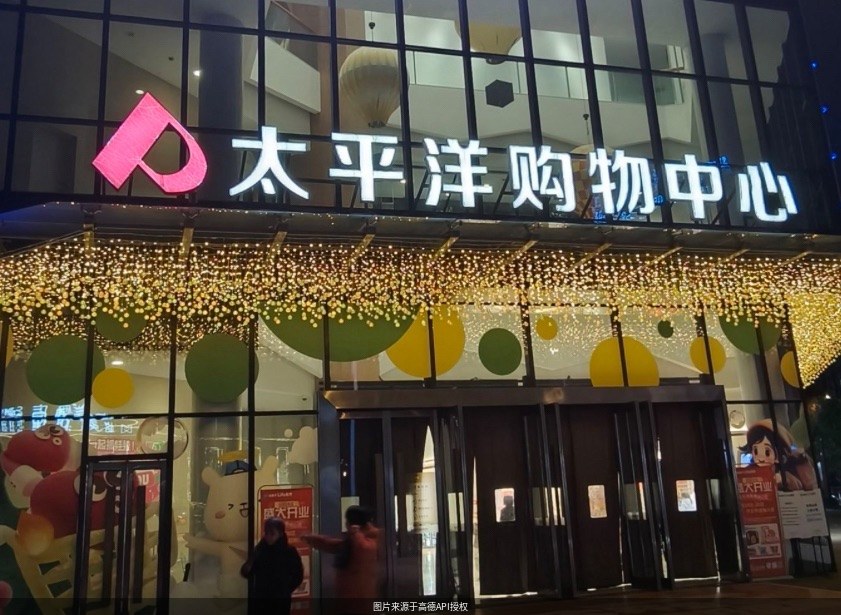
The afternoon has a practical goal: gear for tomorrow's mountain. At Pacific Shopping Center downtown and Tianying Outlets nearby, poles, windbreakers, quick-dry shirts and raincoats run thirty to fifty percent below the park gates, and brand outlets hide fleece deals.
Malls also solve standardized gifting: chain tea brands with transparent pricing, supermarket shelves of Huangshan buns and ink-cake boxes at fair prices, ideal for relatives who judge gifts by packaging.
The Wang Jinsheng Woodcarving Studio: Watching Three Days of Work
Huizhou woodcarving holds national heritage status, and in the studio you watch a master turn a block of camphor into fishermen, woodcutters and farmers inside a window lattice. The logic inverts a market: few pieces, long hours, small stands from several hundred yuan, commissions priced by drawing and delivered by the month.
Even buying nothing, the knife sequence repays the ride: roughing, refining and polishing hide the taste that kept Huizhou houses standing for centuries. One rule for buyers: beware anything whose delivery time is negotiable.
The Wu Luheng Compass Workshop: A Century of Graduations
On Wan'an's old street in Xiuning, the Wu Luheng compass house has worked since the Qing dynasty, its handmade luopan a national heritage craft. One wooden compass passes through dozens of steps, turning, dividing, inscribing, oiling, the twenty-four directions hand-written in tiny, dead-steady strokes.
Shop in front, workshop behind, and you can watch the inscriber at work. For buying, trust the house mark and hand-cut graduations, priced by size and precision; even without purchasing, this wooden bowl holding the history of Chinese geomancy deserves a detour.
| Getting around |
|
| Budget | Souvenir budgets swing wide, from RMB 100 teas to five-figure inkstones; most travelers do it well within RMB 500-1500. |
| Best time | Year-round; spring brings the freshest teas, while weekdays at the inkstone and compass workshops mean the craftsmen are in and questions get answered. |
FAQs
How do I buy inkstones and tea without being fooled?
Stay mid-priced with inkstones and demand receipts stating material and quarry, keeping your downside under a thousand yuan; for tea, taste before buying, ask grade and gram price, and prefer loose over boxed. When unsure, buy drinking quantities only and let one brewing decide any reorder.
Do the woodcarving studio and compass shop need appointments?
Confirm both by phone ahead: the studio follows craftsmen's hours and hosts many groups in season, so individual bookings secure a guided look; at the compass house the visit peaks when the inscriber is at the bench. While calling, ask whether demonstrations run that day.
Is one day enough to buy all this?
Yes, with a fixed order: old street in the morning for scholar's goods and tea, mall after lunch for gear and standard goods, suburbs in the afternoon for carving and compasses. A charter through the two suburban stops halves the time; if you only want tea and scholar's objects, a half-day on the old street is enough.
How do I carry purchases home?
Teas vacuum-sealed on the spot check in fine; inkstones and carvings travel in original boxes plus bubble wrap, safest in the suitcase's center layer; ship large pieces by freight for around RMB 200 rather than hauling them. Compasses and anything glass fly in cabin baggage, never checked.