
Seven days treat Jingdezhen as a place to live rather than a destination. The first five days finish the city in five steps, lineage, imperial kilns, living craft, folk kilns, the kiln valley, one headliner per day; day six goes to Fuliang's mines and the old yamen, day seven to the Yaoli valley, landing back at the Taoxichuan lights, with throwing sessions and studio visits threaded through.
Lodging: six nights near Taoxichuan, day trips into the hills traveling light. The effort curve runs calm, medium, calm, medium, calm, and any tired afternoon converts to teahouses and markets.
Itinerary at a glance
| 第1天 09:00 | China Ceramic Museum: The Master Index of Seven Days |
| 第2天 09:00 | Imperial Kiln Site: The System in Place |
| 第2天 14:00 | Imperial Kiln Museum: Shards and Light |
| 第3天 09:00 | Taoyangli Old Streets: A Slow Half-Day |
| 第4天 09:00 | Ancient Kiln Park and the Town Kiln: Living-Craft Day |
| 第5天 09:30 | Hutian Kiln Site: The Folk-Kiln Lesson |
| 第5天 14:00 | Sanbao Village: A Studio Day in the Valley |
| 第6天 09:00 | Kaolin Mining Park: The Source of the Clay |
| 第6天 13:30 | Fuliang Old Yamen: The Administration on Site |
| 第7天 09:00 | Yaoli Old Town: First Stop in the Mountains |
| 第7天 13:30 | Wanghu: Old-Growth Forest and the Waterfall |
| 第7天 19:00 | The Taoxichuan Market: Where Seven Days Land |
The route, stop by stop
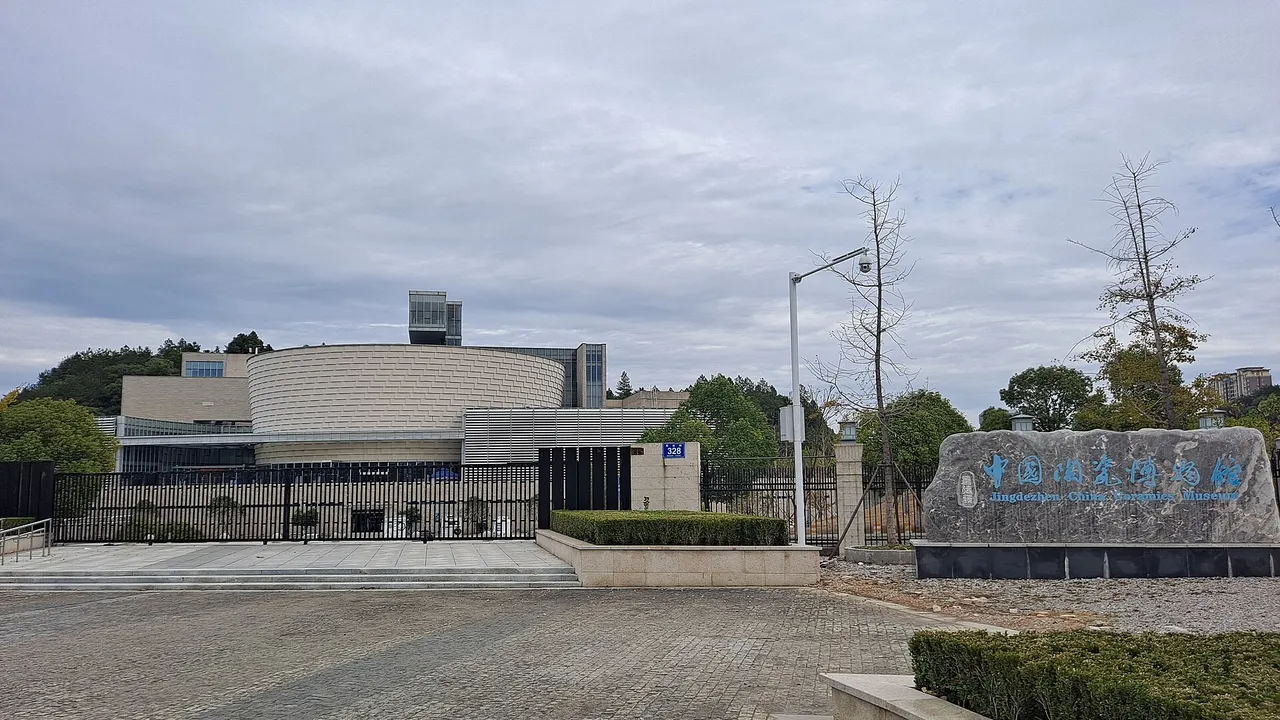
China Ceramic Museum: The Master Index of Seven Days
Deep travel starts with the chronology. The free booked museum walks two millennia dynasty by dynasty, and every kiln and vessel of the next six days will hang on this axis. Allow queue time at the Silent Bodhisattva's case.
One headliner today only; rest in the afternoon, then an appetizing stroll at Taoxichuan.
Imperial Kiln Site: The System in Place
Day two enters the Taoyangli complex. The excavation strata of smashed, buried rejects prove the imperial system on the spot, with glaze workshops and kiln remains shown in place. Give the morning to the pits and climb the pavilion for the compound's outline.
The imperial system deserves a full day; lunch inside the area and digest slowly.
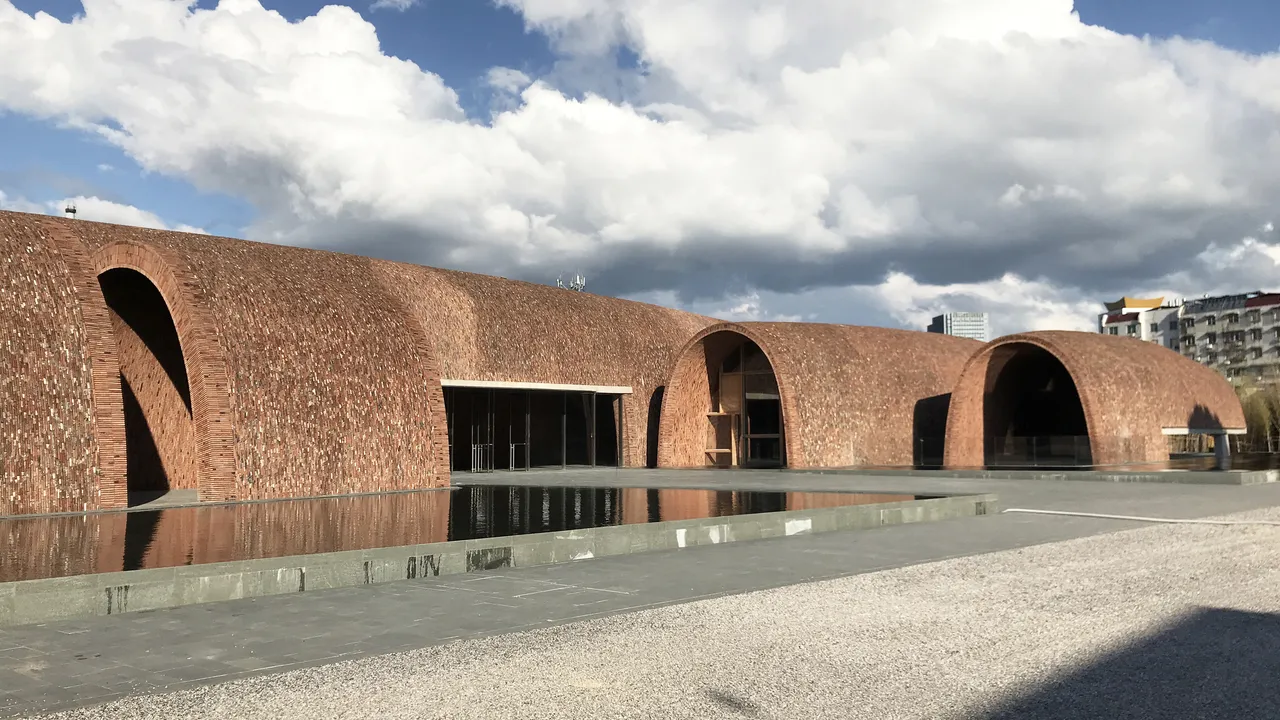
Imperial Kiln Museum: Shards and Light
The museum rebuilds Ming tribute ware from hundreds of thousands of kiln shards, its restoration labels spelling fragment counts and fills, the key to how quality was policed. The brick vaults are a photography subject in themselves, afternoon light traveling the arches.
An hour of galleries, an hour of architecture, then the old lanes by dusk.
Taoyangli Old Streets: A Slow Half-Day
Spend the third morning reading the lanes closely: kiln-brick walls, sagger planters and old lintels around Pengjia Long, catching every detail missed while rushing. Studios and teahouses welcome drop-ins, and conversation is the best program here.
After the slow half-day, book a throwing session and try the sequences you have watched for a day and a half.
Ancient Kiln Park and the Town Kiln: Living-Craft Day
Day four is the kiln park: all seventy-two steps in the workshops, the Town Kiln house read for structure and glaze tears, the porcelain orchestra after lunch. If a firing day falls here, reorder and watch the kiln mouth in the morning.
The walking adds up, so take the map and plan a loop, with a teahouse break before exiting.
Hutian Kiln Site: The Folk-Kiln Lesson
Day five takes the folk lesson. Hutian anchored the Song-Yuan folk system, its dragon-kiln remains and meters-deep shard mounds a rough counterpoint to imperial finesse; the display hall covers the qingbai lineage in half an hour.
Crowds are thin and mornings quietest; back to town for lunch, then a free afternoon.
Sanbao Village: A Studio Day in the Valley
Day five afternoon enters the valley: a stream path linking a hundred studios, pick four or five and linger, asking makers about glazes and kiln loads, with the Peng Art Center's shows and roof terrace before the ride back.
The lightest agenda of the week, and the payoff is handing days of background to working artists to verify.
Kaolin Mining Park: The Source of the Clay
The mountain finale starts at Kaolin, whose white clay named a scientific word worldwide. Mine pits, water hammers and tailings survive in good shape, a one-hour loop with clear panels on mining history.
Swing by the village and the Dongbu wharf direction to see where clay once loaded onto boats, making the geography concrete.
Fuliang Old Yamen: The Administration on Site
Stop at the Fuliang yamen on the way back, a Jiangxi county seat preserved whole, its main hall and gate tower making the tea-tax story physical. If the costumed court session runs, add twenty minutes.
Ninety minutes, farm lunch in the county town, then back to the city or onward.
Yaoli Old Town: First Stop in the Mountains
Day seven climbs into the hills. Yaoli spreads along the Yao River, Ming-Qing streets, the Cheng ancestral hall and water hammers the headliners, morning light at its best on white walls and black roofs. After the streets, riverside tea and a proper farm lunch.
The afternoon heads toward Wanghu, the valley scenery through the window counting as part of the itinerary.
Wanghu: Old-Growth Forest and the Waterfall
Wanghu's old-growth forest is the trip's single deep breath: a looping boardwalk under giant trunks out to the Nanshan fall viewing deck, fullest after rains. The grade is gentle, the standard loop two hours.
Leave the hills by four for the ninety-minute ride back, landing in town right as the Taoxichuan night market opens.
The Taoxichuan Market: Where Seven Days Land
Handing the final stop to the market is a deliberate close: the museum gave lineage, the imperial complex gave system, the Ancient Kiln gave process, Hutian gave the folk trade, the valley gave the present, and the market runs it all in real time. A young maker's cup is in your hand.
Take two pieces home, one for yourself, one as a gift, and walk the brick lane once more under the lit chimneys before calling it done.
| Getting around |
|
| Budget | Tickets total about RMB 400, two chartered days about RMB 800, six nights RMB 900-1800, roughly RMB 2400-3600 pp. |
| Best time | Apr-May and Oct-Nov are best; early-summer tea picking and autumn courtyard drying each add color, while Golden Week and deep heat are best dodged. |
FAQs
Is seven days too long, or repetitive?
Not if themed: lineage, imperial kilns, living craft, folk kilns, the valley, the mine and the mountains each hold a slot, one headliner per day. If it drags, convert a day into a full throwing course or a tea-harvest session, the point of seven is exactly that slack.
What needs booking versus walk-in?
Only the ceramic museum's free ticket is a hard booking; buy the imperial complex and kiln park online in season; Hutian, Sanbao, Kaolin and the Fuliang yamen are walk-in. The Bingding kiln house needs an appointment, and several venues close Mondays, so keep the week clear.
What budget should I plan?
Excluding long-haul transport, plan RMB 2400-3600 pp: six nights RMB 900-1800, tickets about RMB 400, meals and local transport RMB 700-1000, charter share RMB 250-400. Shopping sits outside, cups from tens to thousands at market and studio, so cap it.
Is seven days safe solo?
Yes. The city is safe with busy main streets at night, and charters give you company in the hills. Three habits: taxi from the stand after dark, tell a guesthouse or family your mountain plans, and leave valuables at the desk. Solo travelers actually find it easier to open conversations with makers.