
Kashgar's cultural depth often hides under the old town's bustle, yet two thousand years sit in a few quiet venues: Silk Road artifacts in the museum, Ban Chao's memory at Pan Tuo City, and the Western Regions' musical tradition in the muqam park. Walk all three by day, then close with a grand stage show at night, and the day locks into a loop.
The rhythm runs text before performance: morning venues are for reading, the afternoon muqam park for listening, the evening center for watching. Each annotates the others, and every detail decoded by day reappears onstage, the correct order for a culture line.
Itinerary at a glance
| 09:30 | The Kashgar Museum: The Silk Road Hub's Holdings |
| 12:00 | Pan Tuo City: The Fort of Ban Chao |
| 16:30 | The Twelve Muqam Folk Customs Park: An Afternoon of Western Regions Music |
| 20:00 | Meet Kashgar International Performing Arts Center: The Silk Road in One Evening |
The route, stop by stop
The Kashgar Museum: The Silk Road Hub's Holdings
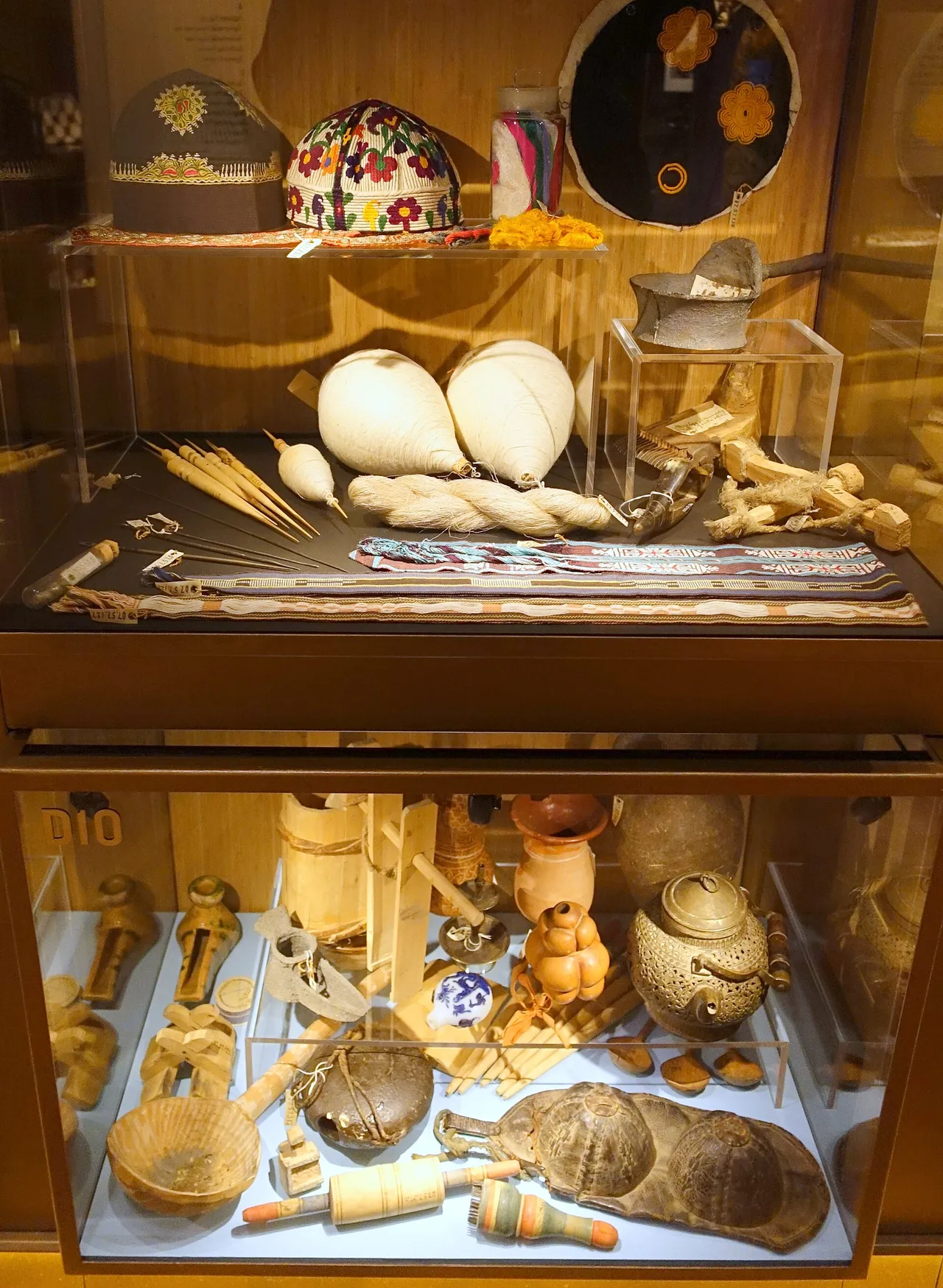
Start the morning at the Kashgar Museum. The permanent galleries run from prehistory onward, making clear the city's role as a Silk Road hub: excavated Han textiles, Tang documents and coins across eras string together the evidence of east-west traffic; do not skip the mummy hall and the pottery figures.
Across two hours, weight the general-history hall of Kashgar itself, with audio or human guide well worth it. Leave knowing the background of every later stop, for this museum is the line's key.
Pan Tuo City: The Fort of Ban Chao
Around noon, Pan Tuo City, where the Eastern Han general Ban Chao held his post while managing the Western Regions. The park centers on his memorial, statue, wall remnants and displays telling the scholar-turned-soldier story on the very ground it happened; from the rebuilt ramparts the oasis-and-mountains geometry reads at a glance.
For most visitors this stop supplies the Eastern Han link: the museum gave the road's goods, Pan Tuo gives its people. An hour suffices, tickets on site.
The Twelve Muqam Folk Customs Park: An Afternoon of Western Regions Music
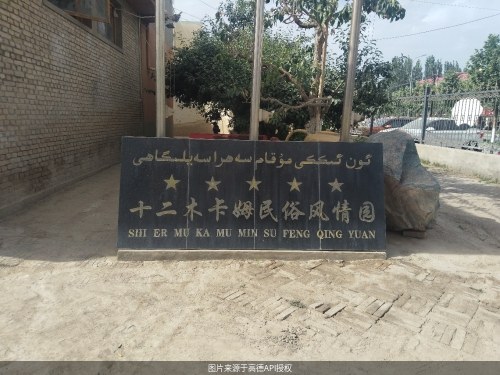
The afternoon goes to the Twelve Muqam folk park. The muqam, a grand form fusing song, dance and music, with twelve canonical suites inscribed on the world intangible heritage list, fills the park's instrument displays and costume halls, and with luck a rehearsal or live set plays during your visit.
Start in the instrument hall to learn the shapes of rawap, dutar and hand drum, then the performance lands with context; muqam verses run as couplets on love and parting, and the emotion lands even through the language barrier.
Meet Kashgar International Performing Arts Center: The Silk Road in One Evening
The culture day closes with the grand production at Meet Kashgar, staging Silk Road caravans, oasis life and ethnic performing arts with first-tier production values for the region; every artifact and site seen by day comes alive onstage.
Dinner right after is most convenient, with the venue's dining quarter running late. Watch the show, then look back at the museum's cases, and the depth of understanding shifts entirely.
| Getting around |
|
| Budget | The museum is free with booking, Pan Tuo City about RMB 30, the muqam park per posted prices, and the evening show RMB 180-380, so the day lands near RMB 230-430 pp. |
| Best time | Year-round in climate-controlled halls; the show runs one or two fixed performances nightly, booking one to three days ahead in season; most museums close Mondays, so plan around it. |
FAQs
How do I choose between this day and the old-town day?
With a single first-timer day, pick the old town, it is irreplaceable. Given two or three days, one each, in the order culture then old town: build the timeline at the museum first and the lanes start speaking, whereas the reverse yields only spectacle.
Do I need Uyghur or historical background to enjoy the show?
No. The production leans on dance and scene narrative with bilingual subtitles and programs, and the visuals carry themselves; still, having walked the museum and Pan Tuo by day adds a layer, one show read twice as deep.
Do the muqam park and the evening show overlap?
They do not. The park is folk-scale and close-up, instruments, dress and living transmission; the evening center is staged and cinematic, narrative and production. Raw material and finished work, the pairing completes one full lesson in a day.
Does this line suit children?
Yes, the most child-friendly of the theme days: interactive museum displays, a mounted statue and climbable walls at Pan Tuo, touchable instruments at the park, and the evening show's direct audiovisual hit. One caveat, the show runs about ninety minutes, so preschoolers do best in seasons with more daytime sessions.