
Kashgar's table is a thoroughly halal world: beef and lamb, naan, polo rice, roasted buns, gangzi stew, yogurt and pomegranate juice structure the day, pork simply does not exist in these restaurants, and no explanations are ever needed at the counter. One day on the local meal clock is the shortest path into this oasis city.
All four stops are places locals queue: dawn's naan oven and tea, a plate of polo at noon, afternoon roasted buns as a snack, and a pot of gangzi stew to close. Everything sits within two kilometers of the old town, chained on foot, with your stomach as the only limit.
Itinerary at a glance
| 08:30 | Grandpa's Grandpa's Father's Naan: The First Bake |
| 12:00 | Ailizhati Polo Restaurant: A Golden Plate at Noon |
| 15:30 | Textile Factory Roasted Buns: The Afternoon Snack |
| 19:00 | Abu Grandpa's Gangzi Meat Shop: Closing with the Pot |
The route, stop by stop
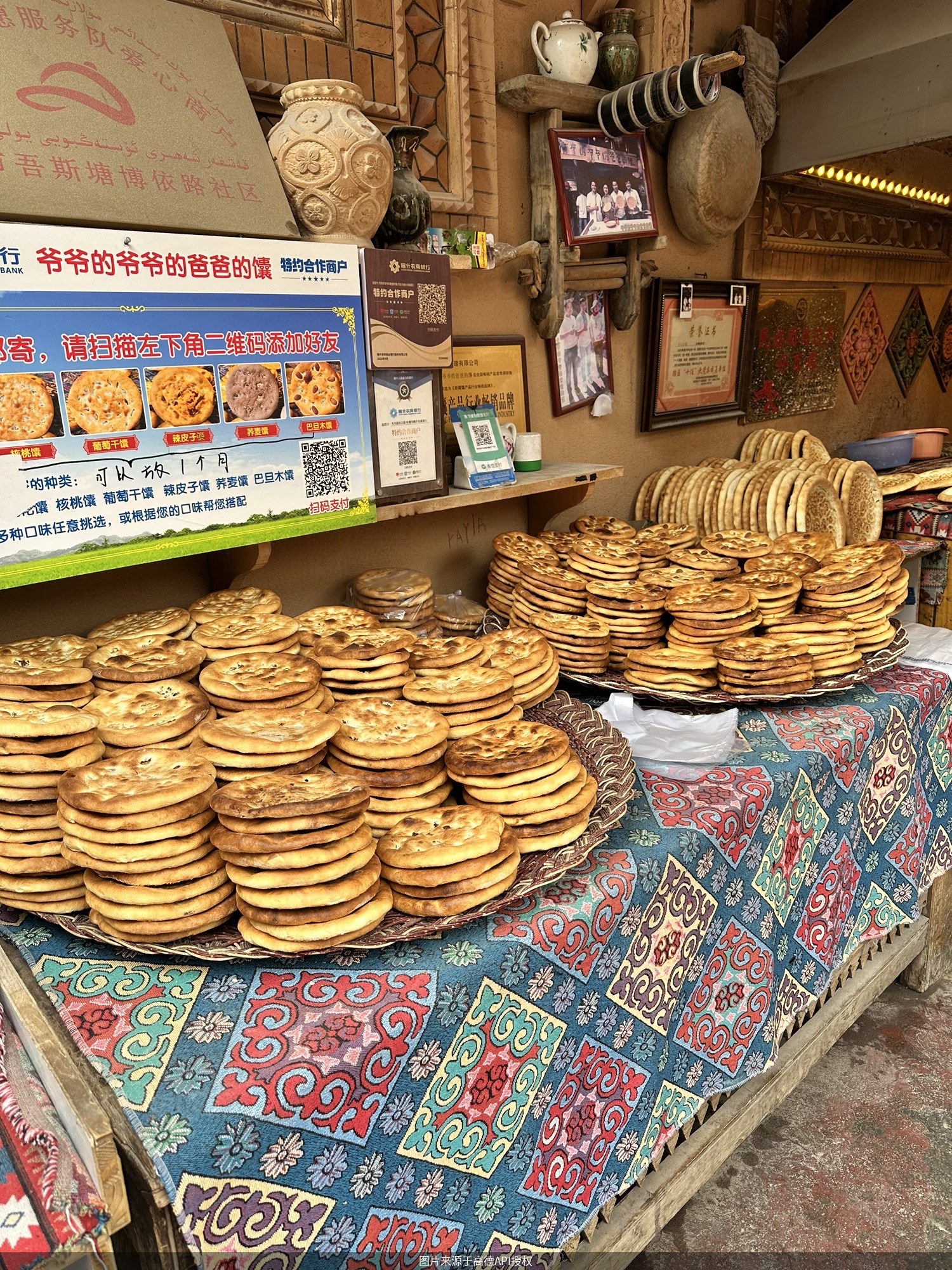
Grandpa's Grandpa's Father's Naan: The First Bake
The name is pure Kashgar humor: Grandpa's Grandpa's Father's Naan, meaning the craft passed down beyond counting. Morning is the oven's rush hour, bakers slapping dough wide, pricking patterns, pressing rounds onto the oven wall; minutes later the naan comes off crisp outside, soft within, sesame and onion scent drifting half a lane.
Eat it right: fresh-bought naan with a hot tea, broken open while warm. A large naan costs a couple of yuan, and whichever oven has the queue, buy there; no bad naan ovens in the old town.
Ailizhati Polo Restaurant: A Golden Plate at Noon
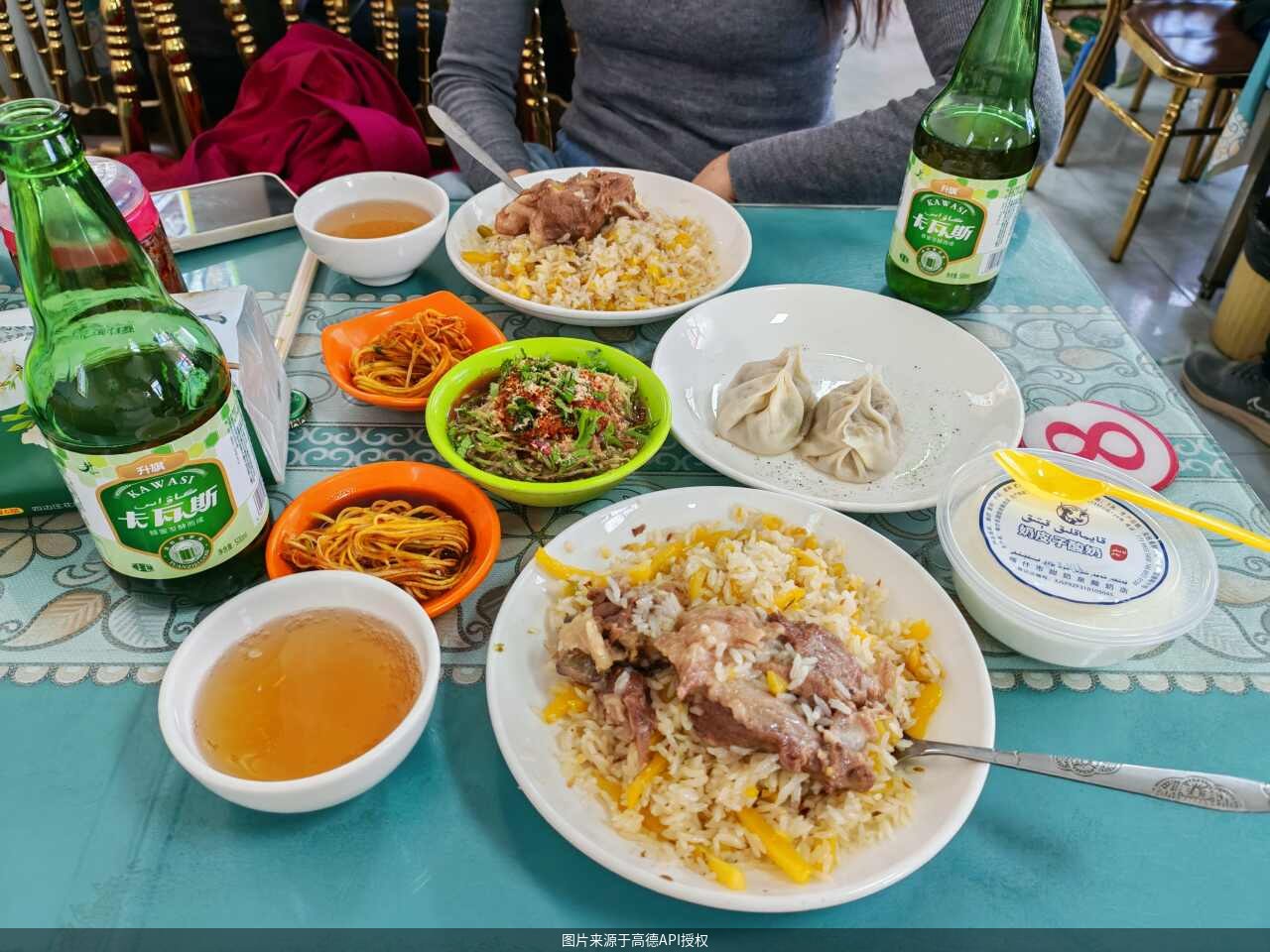
Noon belongs to polo. Ailizhati ranks among Kashgar's most loved polo houses, big pots of lamb, yellow carrot, onion and rice steaming to a glossy gold, grains distinct, lamb falling off the bone; in Uyghur the dish is pulav, the festive-and-everyday centerpiece.
Ordering is simple: large or small, with or without a shank or chops on top. The sides are a small pickle plate and a bowl of yogurt soup, the antidote to richness; locals eat the meat first, stir the rice through, and finish with the yogurt.
Textile Factory Roasted Buns: The Afternoon Snack
The afternoon's ration goes to samsa, roasted buns. This veteran house named for the textile factory wraps diced lamb, onions and tail fat in thin dough pressed onto the oven wall until they puff; the first bite bursts with scalding juices and pepper aroma. Samsa is the ideal bridge between afternoon tea and dinner.
Fresh from the pit they scald, so rest two minutes, with a pot of tea alongside. At a few yuan each the price invites abandon, but tail fat runs rich, so keep thirty percent of stomach for night.
Abu Grandpa's Gangzi Meat Shop: Closing with the Pot
Dinner is gangzi meat: bone-in lamb stewed gently in an enamel mug with yellow carrot and chickpeas, one mug per serving, broth and meat arriving together. The soup runs clear yet deep, finished with salt and onion bits, naan torn in to soak, a dish Kashgar honors in all seasons.
Order matters: sip the plain broth first, then the meat, then scrape the mug clean with naan. Abu Grandpa's is the old town's steadiest name, mugs scarce by evening, and a post-dinner stroll to the night market burns it off nicely.
| Getting around |
|
| Budget | A full day runs about RMB 80-150 pp: naan and tea under 10, polo rice 25-45, roasted buns 5-10 each, and a pot of gangzi stew 40-70. |
| Best time | Year-round; naan ovens smell best morning and dusk, polo thins after noon with famous houses queuing from mid-morning, and gangzi stew hits the stove only toward evening, so time both ends. |
FAQs
Can the spice-averse or sensitive-stomached eat well here?
Easily. Kashgar's core seasoning is salt, onion and cumin, heat is never the lead, and nearly every dish comes unspiced on request. Sensitive stomachs follow three rules: let scalding samsa rest, choose yogurt from proper dairies, and skip raw cold salads. Gangzi stew and polo are the gentle path's champions.
What etiquette matters around halal dining?
Every local restaurant runs halal, so neither asking nor explaining is needed; bringing outside food inside, or discussing taboo ingredients in dining places, reads rude. Respectful acts are simple: order with the local flow, carry no food in, and avoid eating on the street in Ramadan daylight. Do this and local warmth will surprise you.
How should the day's portions be sequenced?
Light, heavy, light, heavy: dawn naan and tea as a base, noon polo as the day's main event, two or three samsa only in the afternoon, and gangzi stew to close. The classic mistakes are overeating naan at dawn or treating samsa as lunch, leaving no room for the evening pot.
Do these famous shops take reservations, and what about the language gap?
These veterans take no bookings, simply queue, and tables turn fast. Menus carry photos, pointing works everywhere, and saving a few phrases, large, small, one, one pot, on your phone plus gestures carries the whole day. Night-market stalls run purely on pictures.